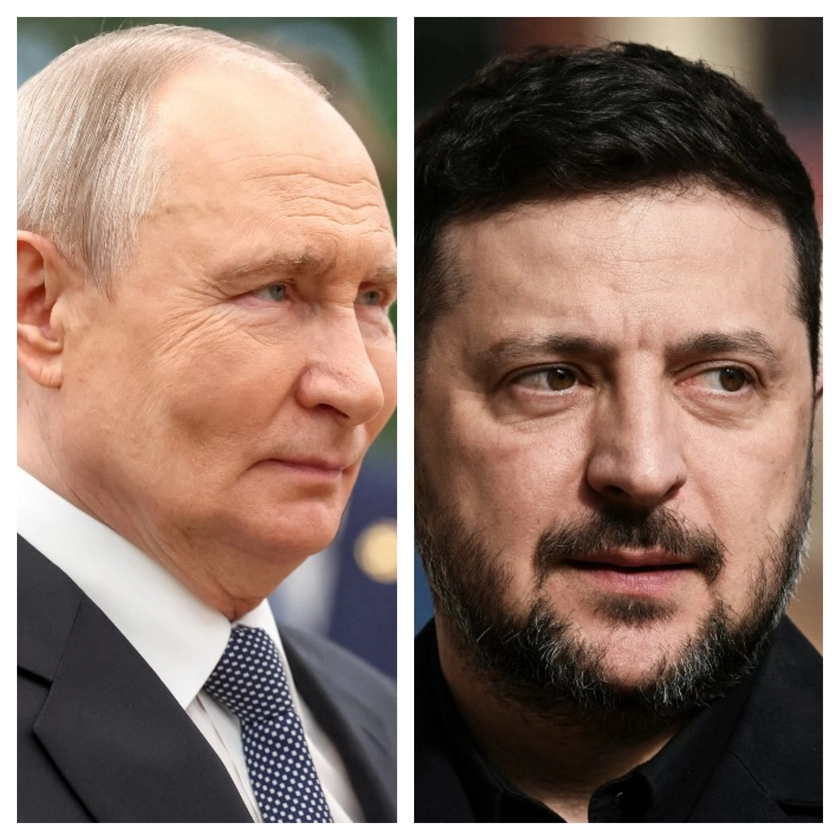
Ukraine’s air force reported air strikes on its northern region of Sumy on Thursday morning as Russian President Vladimir Putin’s order for a three-day truce with Ukraine was supposed to take effect.
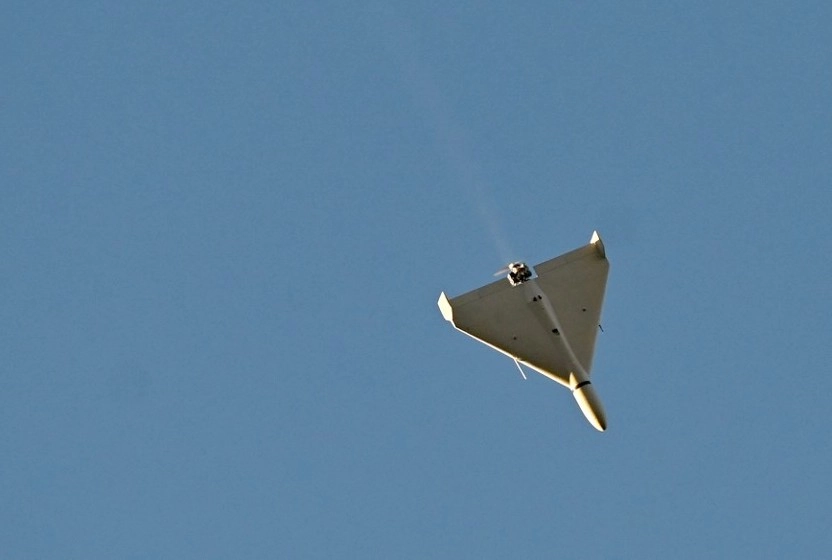
Still, not a single Russian combat drone had been detected over the country overnight – marking a rare pause in the Kremlin’s near-daily drone assaults.
JOIN US ON TELEGRAM
Follow our coverage of the war on the @Kyivpost_official.
“As of 08:00 am, no missile attacks or attack drones were recorded in Ukrainian airspace. However, during the night, the enemy intensified tactical aviation strikes using guided aerial bombs in the Sumy region,” the air force said, after reporting several launches in the morning.
Russian state media reported early Thursday that a unilateral ceasefire announced by Putin began at midnight on May 8. The Kremlin said the pause in fighting would last through midnight on May 11, which includes Russia’s May 9 Victory Day.
Ukraine’s Air Force reported the first violations at 2:45 a.m. when Russia struck the Sumy region with guided aerial bombs (KABs).
“Launches of guided aerial bombs (KABs) by enemy tactical aviation on the Sumy region,” read a report posted at 2:45 a.m.
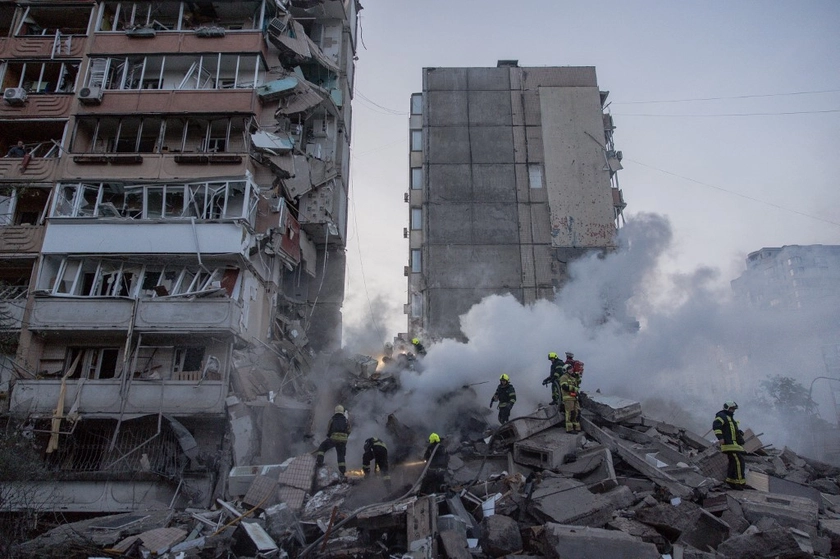
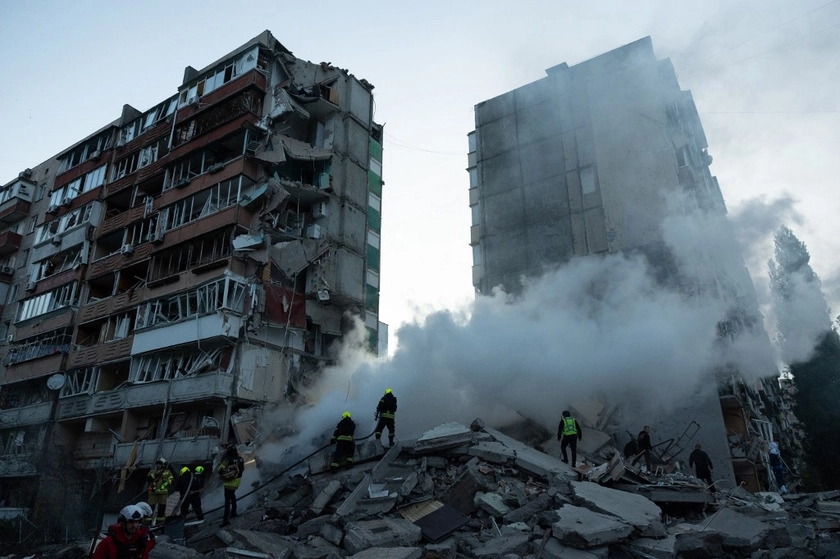
Less than an hour later, additional launches of guided bombs were reported in the region. The local State Emergency Service later stated that nighttime strikes in the Sumy region caused fires in three residential buildings. Emergency crews worked at the scene from night until morning. One civilian was killed in the attack.
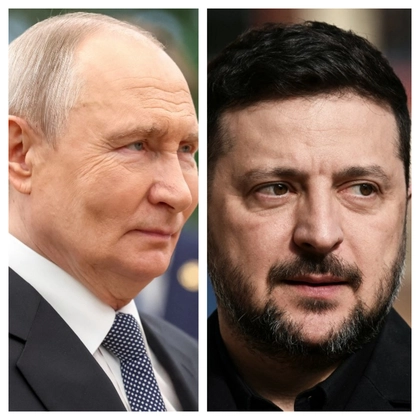
Kremlin Responds: ‘If Zelensky Wants to Meet, He Can Come to Moscow”
Verkhovna Rada deputy Oleksiy Honcharenko wrote on Telegram that Ukraine’s military had also been instructed to observe the ceasefire, though no official statements have confirmed this.
“Russia declared a ceasefire and struck with KABs. Ukraine is officially silent but is also joining the ceasefire. The military received similar instructions.”
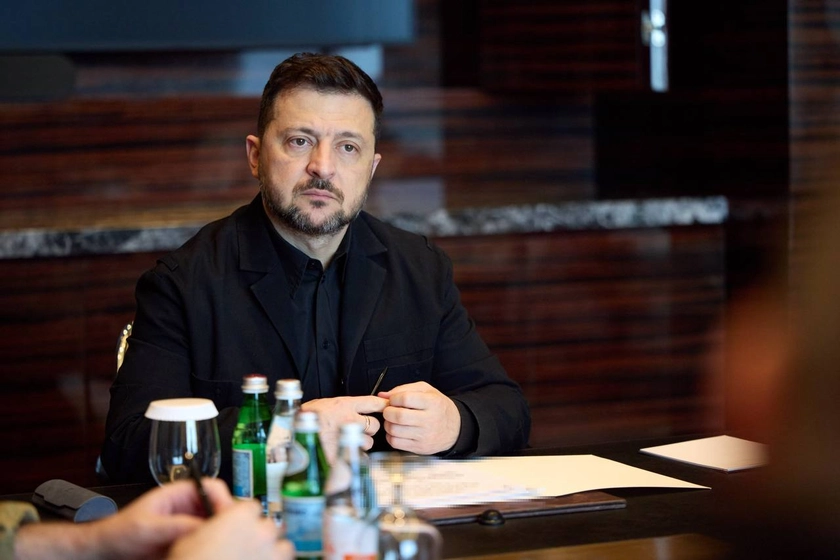
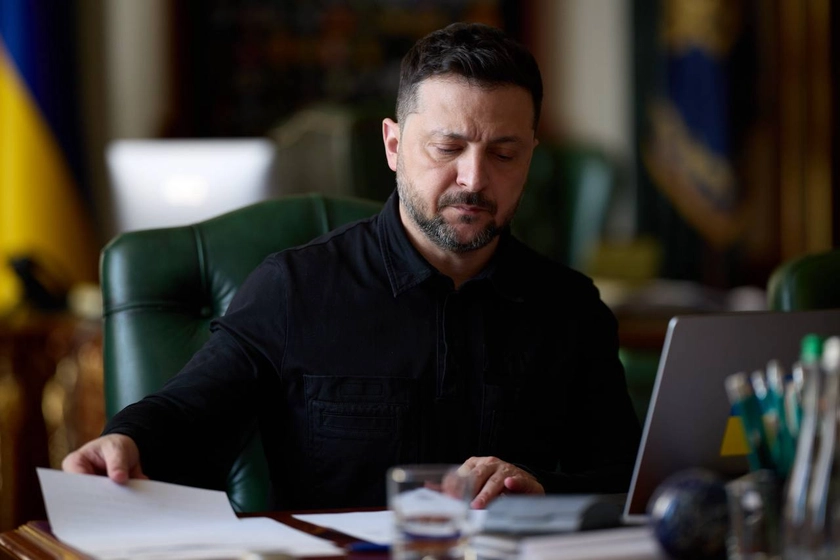
In an evening address on May 7, President Volodymyr Zelensky said Russia had not responded to Ukraine’s offer for a 30-day ceasefire.
“Our proposal to stop the strikes, to cease fire for at least 30 days, remains in force - we are not withdrawing this proposal, which could give diplomacy a chance. But from Russia, the world sees no answer, no answer except for new strikes,” Zelensky said.
“This shows clearly, obviously for everyone, who is the source of the war. Russia must end its aggression, and it will have to do so. It’s only a matter of time. War is a loss for everyone, including the aggressor,” he added.
Zelensky said that air raid sirens sounded across Ukraine several times on May 7. Earlier that morning, Russian forces attacked with drones and missiles, launching over 140 drones at Ukrainian cities.
Rescue efforts continued in Kharkiv, Sumy, and Kyiv, with reports of casualties and injuries.
On May 5, Kremlin spokesman Dmitry Peskov warned Ukraine that Moscow would deliver an “adequate response” if Kyiv continued attacks during the three-day “truce.”
“The fire will be stopped,” Peskov said, “but if there is no reciprocity… an adequate response will be given immediately.”
Zelensky earlier dismissed the offer as a “theatrical performance,” reiterating Kyiv’s call for a full, unconditional 30-day ceasefire.
“In two or three days, it’s impossible to develop a plan to end the war,” Zelensky said, warning that Putin was using the truce to stage “a pleasant atmosphere” ahead of Victory Day celebrations in Moscow.
Zelensky added that some countries attending Moscow’s May 9 events had asked Ukraine for safety assurances. “We cannot take responsibility for what happens on Russian territory,” he said, warning that Russia could stage incidents and blame Ukraine.
The Institute for the Study of War assessed that Putin’s truce aims to “rest troops and position for further attacks,” while creating the illusion of openness to peace.
You can also highlight the text and press Ctrl + Enter