Russia is reportedly upgrading its long-range Shahed-136 drones with new 90-kilogram (200-pound) warheads – both in Iranian and domestic production – nearly doubling their destructive power.
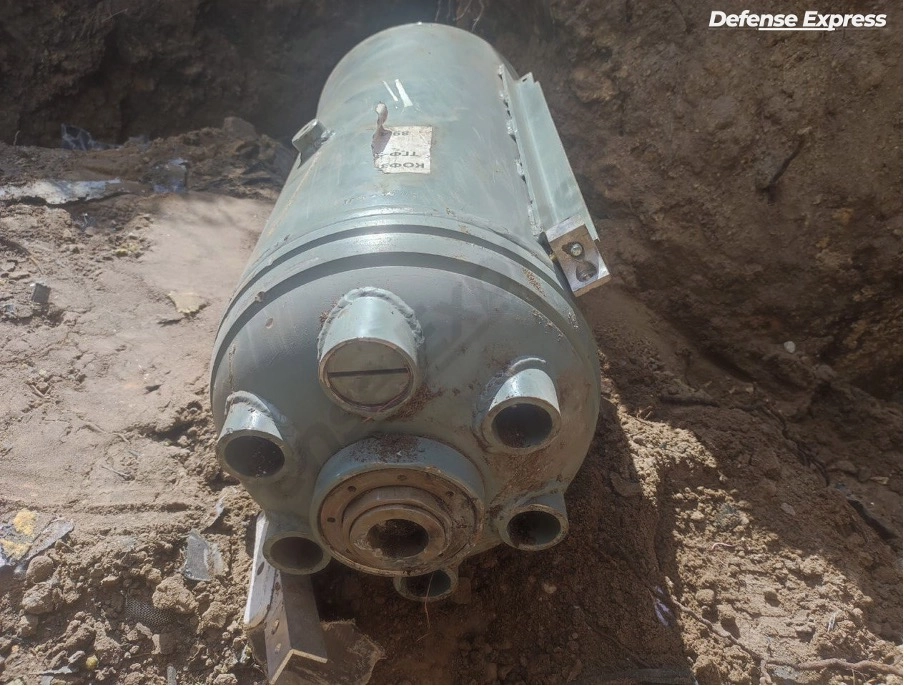
According to the military issues website Defense Express, which cites unnamed sources and has published corresponding images, the new warheads are significantly more powerful than the standard 50-kilogram (110 pound) versions.
JOIN US ON TELEGRAM
Follow our coverage of the war on the @Kyivpost_official.
The new Russian-made variant, indexed as KOFZBCh, combines shaped charge, fragmentation, high-explosive, and incendiary versions. It uses the explosive compound TGF-35P2 - a mix of TNT and phlegmatized hexogen (RDX) – and a metal hydride-based incendiary powder capable of burning at up to 3,500°C.
Similar hybrid warheads were previously used by Russia, such as the 50-kilogram (110-pound) BST-52, but the KOFZBCh nearly doubles the mass and destructive capacity.
The Iranian version also weighs 90 kilograms (200 pounds) and consists of shaped charge, fragmentation, and high-explosive effects, though it lacks the incendiary component. It is based on octogen (HMX) and aluminum, with a hexogen (RDX) detonator.

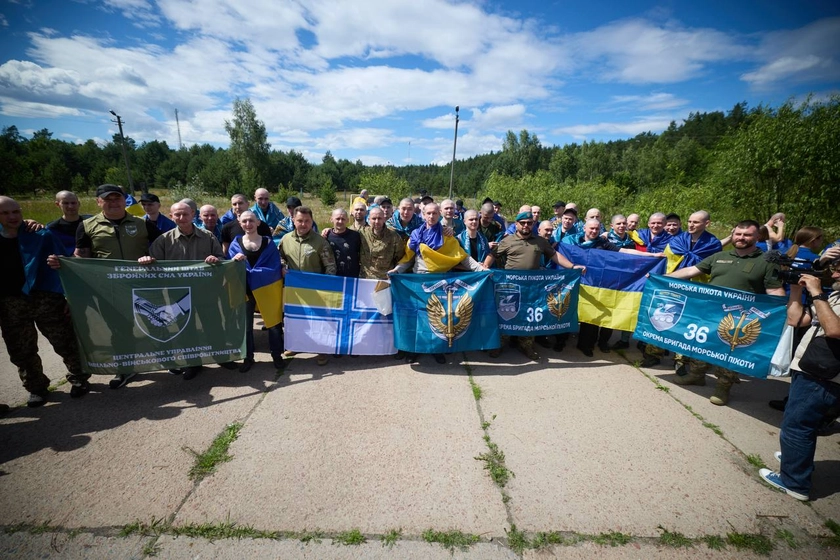
Ukraine Brings Home 160 POWs, Nearly All Held Since 2022
“This indicates active cooperation between Moscow and Tehran in producing Shahed-136 drones,” Defense Express notes, adding that localized production is already underway at Russia’s Alabuga facility in Tatarstan and the Kupol plant in Izhevsk.
In late April, explosions rocked Alabuga in Russia’s Republic of Tatarstan – home to the country’s largest special economic zone and a key hub for military drone production.
According to Andriy Kovalenko, head of Ukraine’s Center for Countering Disinformation, the target was a facility manufacturing Iranian-designed Shahed kamikaze drones, known in Russia as Geran-2.
Kovalenko stated that over 6,000 Shahed drones and thousands of decoy UAVs were produced in Alabuga in 2024. This year’s goal, he said, is to increase output to 8,000–10,000 attack drones and 15,000 decoys.
Alabuga spans nearly 4,000 hectares and is Russia’s largest industrial special economic zone. It is managed by the Ministry of Land and Property Relations of Tatarstan.
You can also highlight the text and press Ctrl + Enter

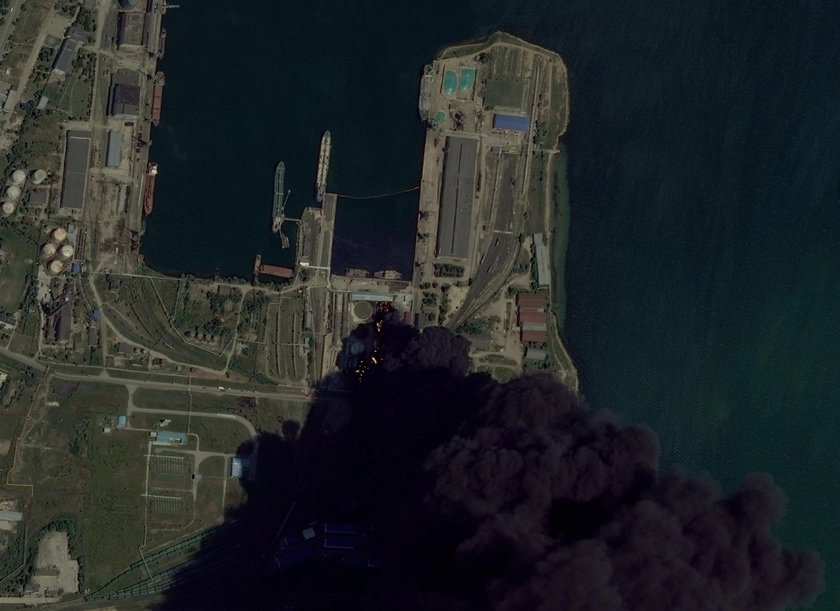
Attack on Moscow Oil Refinery: Putin Under Pressure?