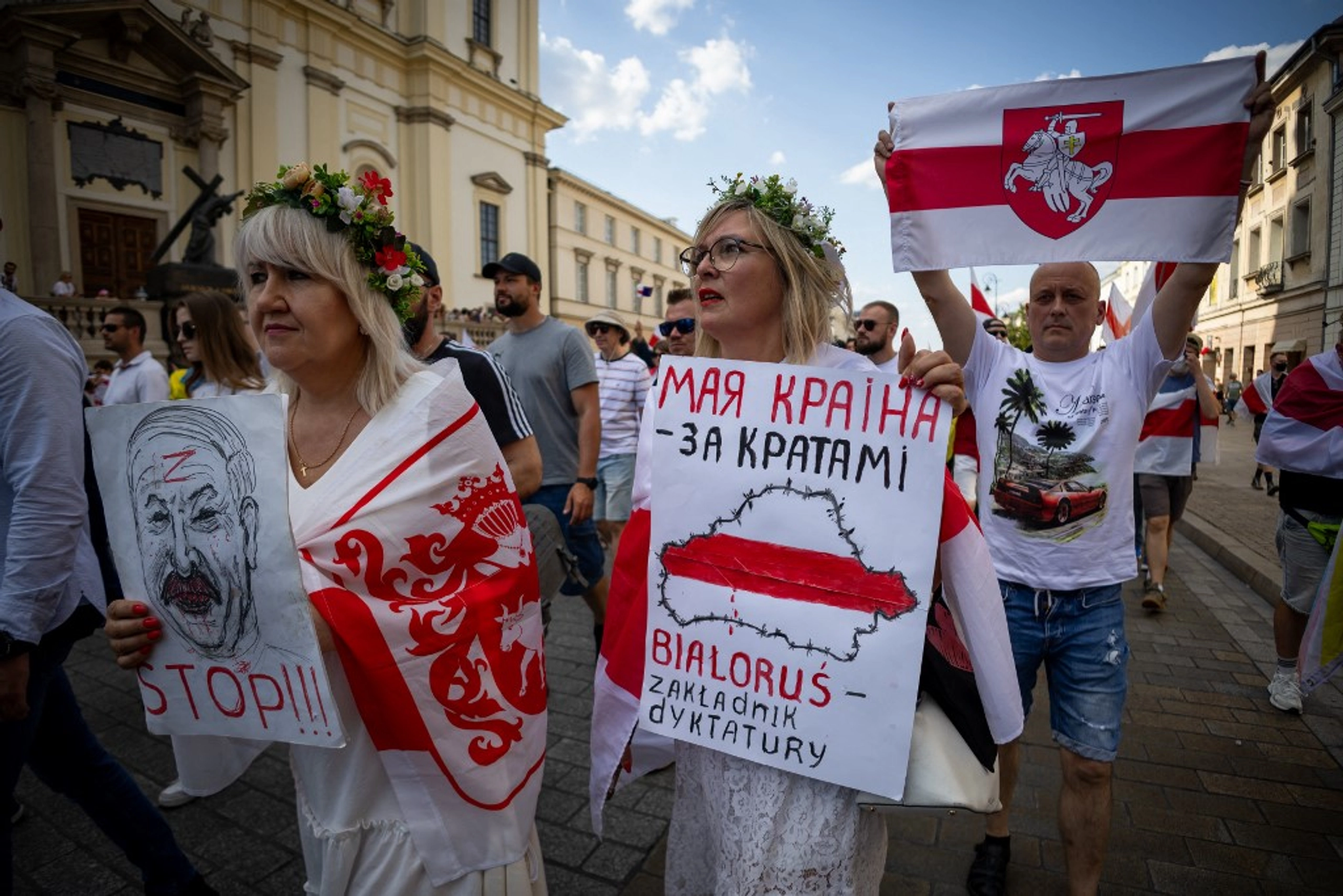
A march to mark the 5th anniversary of the falsified Belarus presidential elections and subsequent violent crackdown on the opposition drew hundreds of participants as it passed through the streets of Warsaw on Saturday.
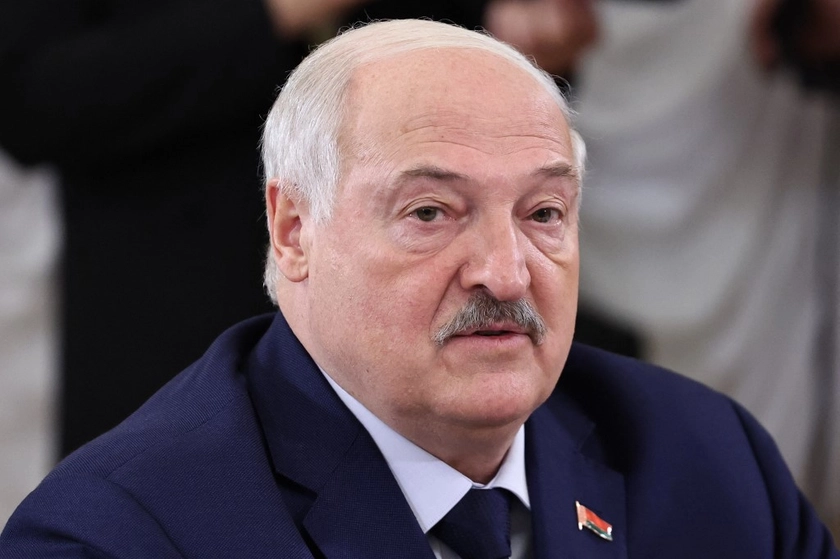
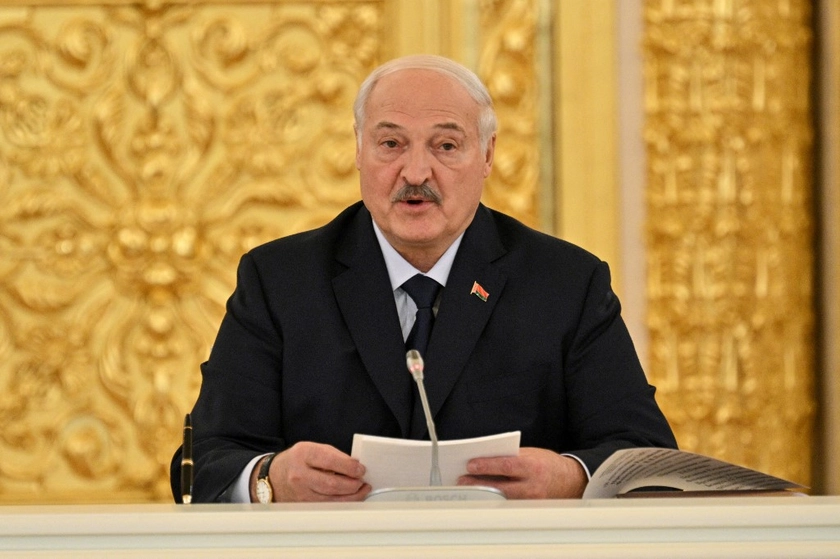
In the presidential election held on August 9, 2020, the official results showed long-time ruler Alexander Lukashenko won 80.1% of the votes, and popular pro-EU challenger Sviatlana Tsikhanouskaya only 10.1%.
JOIN US ON TELEGRAM
Follow our coverage of the war on the @Kyivpost_official.
The vote was widely seen as rigged and the opposition launched a wave of protests calling for new elections which swept across the country. The authorities responded with large-scale repression. Tsikhanouskaya and her children fled to Lithuania.
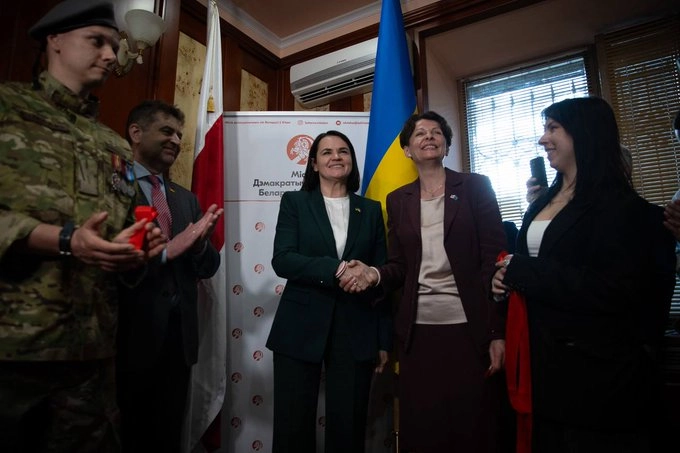
On Saturday, several hundred participants gathered for the March of Freedom, many bearing white-red-white flags — the symbol of the Belarusian democratic opposition – and chanted Zhyve Belarus!” (Long live Belarus).
Before the rally began the unity of the Belarusian democratic opposition and the alliance of Poland, Belarus and Ukraine were stressed with songs, appeals and poems.
The 2020 revolution is not over
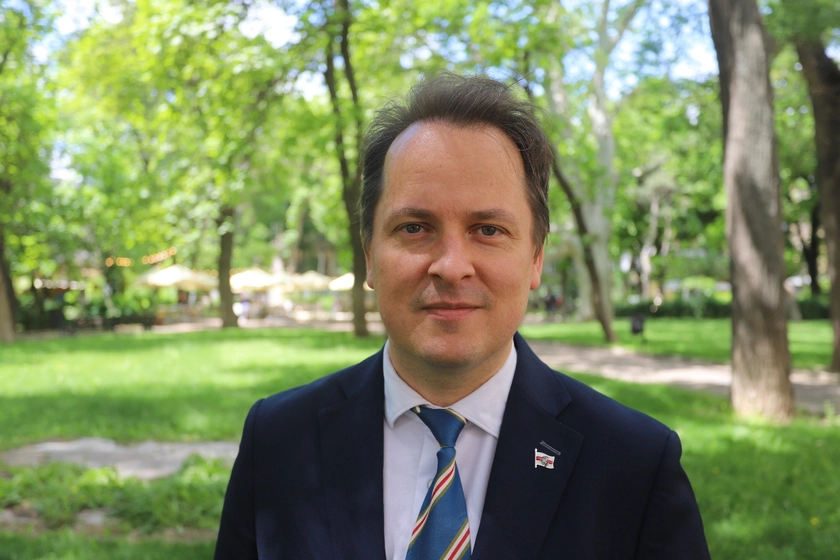
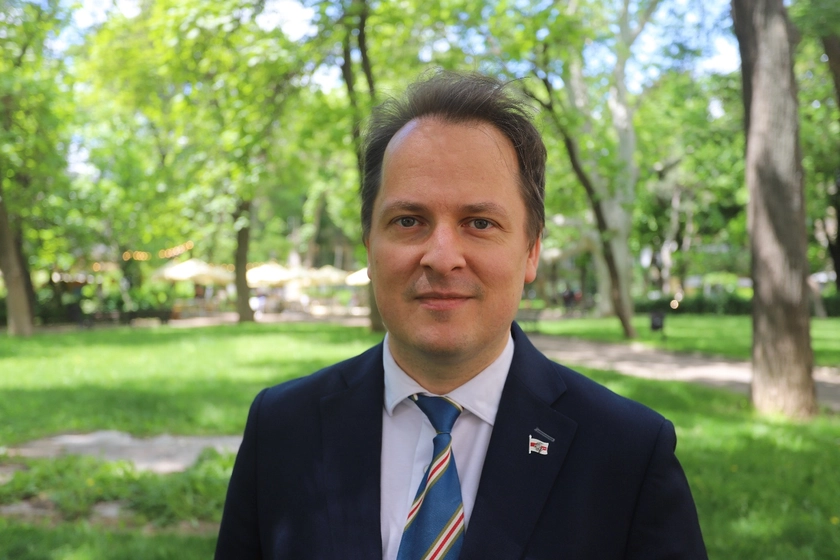
Pavel Barkouski from the Office for the National Revival of Belarus, one of the event’s organizers, told the Polish state news agency PAP the march shows Belarusians have not let go of their democratic aspirations.
“Remembering the falsified elections is extremely important for Belarusians. The revolution that began in 2020 is still not over. For many of my compatriots, emigrating from our homeland is not proof of defeat,” he said.
Lukashenko Reacts to ‘Magyar’s’ Drone Target Warning with Nuclear and Counter-Strike Threat
“We want to show the Polish people and everyone in the Polish capital today that Belarusians are fighting for democracy in their country, that they want a European choice for Belarus, and that they want to be a free nation — not a co-aggressor with Putin, as Lukashenko’s government forces them to be,” Barkouski added.
The activist also said that participating in an event like the March of Freedom, an event organized abroad, carries risks.
“The Belarusian security services could have prepared provocations, yet Belarusians are here. These services threaten participants of rallies and demonstrations with criminal charges — even for taking part in peaceful protests in a free country,” he said.
Barkouski added that he has been living in Poland for three years. “Life has settled down, although the road to a free Belarus still lies ahead of us,” he said.
Other participants also stressed that August 9, 2020. was the day that united Belarusians in the fight for truth and freedom. A free Belarus “is not a dream, but the goal,” they said and underlined the need to release the many political prisoners of Lukashenko’s regime.
The march is linked to the two-day ‘New Belarus’ conference organized in Warsaw. This annual gathering brings together Belarus’s democratic forces, who continue their work against Lukashenko’s regime. The meeting aims to set the opposition’s strategy for the coming year.
In connection with the anniversary, Amnesty International also prepared a special action, placing a symbolic prison cell at Warsaw’s Five Corners Square to draw attention to the fate of over 1,100 people still held for political reasons by Lukashenko’s regime.
During the campaign, held under the slogan “Be the voice of those who cannot be heard,” signatures were collected for petitions calling for their release, and attention was drawn to the repression faced by Belarusians, including those living abroad.
EU support
In a joint statement, EU foreign policy chief Kaja Kallas and Commissioner for Enlargement Marta Kos emphasized that the ongoing repression of civil society in Belarus is unacceptable and must end.
They called on the Belarusian authorities to immediately release all political prisoners. Kallas and Kos wrote that Belarus must also stop supporting Russia’s illegal war against Ukraine.
The European Union “has mobilized €170 million since 2020 to support Belarusian civil society, independent media, and victims of the repression, and will continue imposing sanctions on those who repress democracy and violate human rights,” they said.
In a post on social media, President of the European Commission Ursula von der Leyen said: “When the moment for democratic transition arrives, the European Union will be ready.”
“We stand by our pledge to mobilize a €3 billion support package for a democratic Belarus,” she wrote, referring to a plan that Poland, among others, had called for following the falsified Belarusian elections.
Five years after the fraudulent election in Belarus, our support for the Belarusian people remains resolute.
— Ursula von der Leyen (@vonderleyen) August 9, 2025
We will not stop until every one of the more than 1,000 political prisoners is freed.
Until the democratic aspirations of the Belarusian people are fulfilled.
That is…
The €3 billion investment package remains frozen until Belarus becomes democratic. The funds are intended to help stabilize the Belarusian economy and support institutional and economic reforms.
Von der Leyen also assured that the EU will continue to support independent media, human rights defenders, the Belarusian democratic opposition, and civil society until more than 1,000 political prisoners are freed and the democratic aspirations of Belarusians are fulfilled.
She wrote: “May the day come soon when your hopes for a free and democratic future are finally realized.”
You can also highlight the text and press Ctrl + Enter