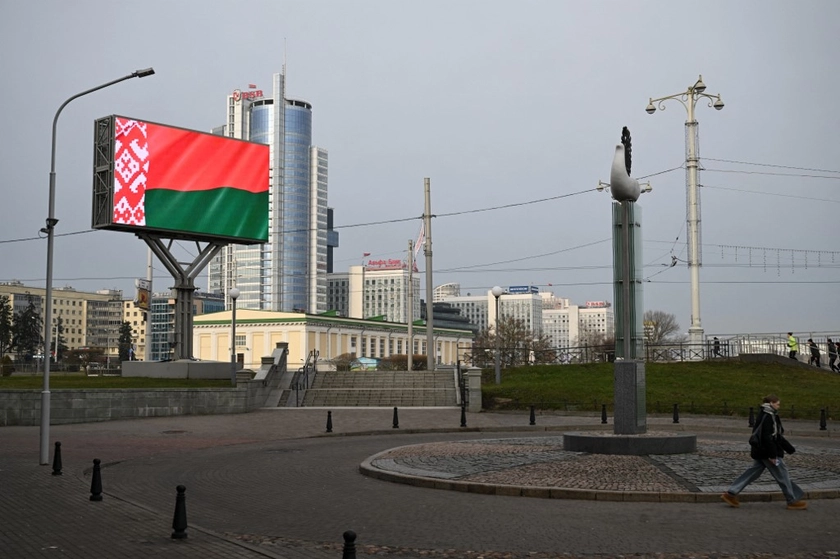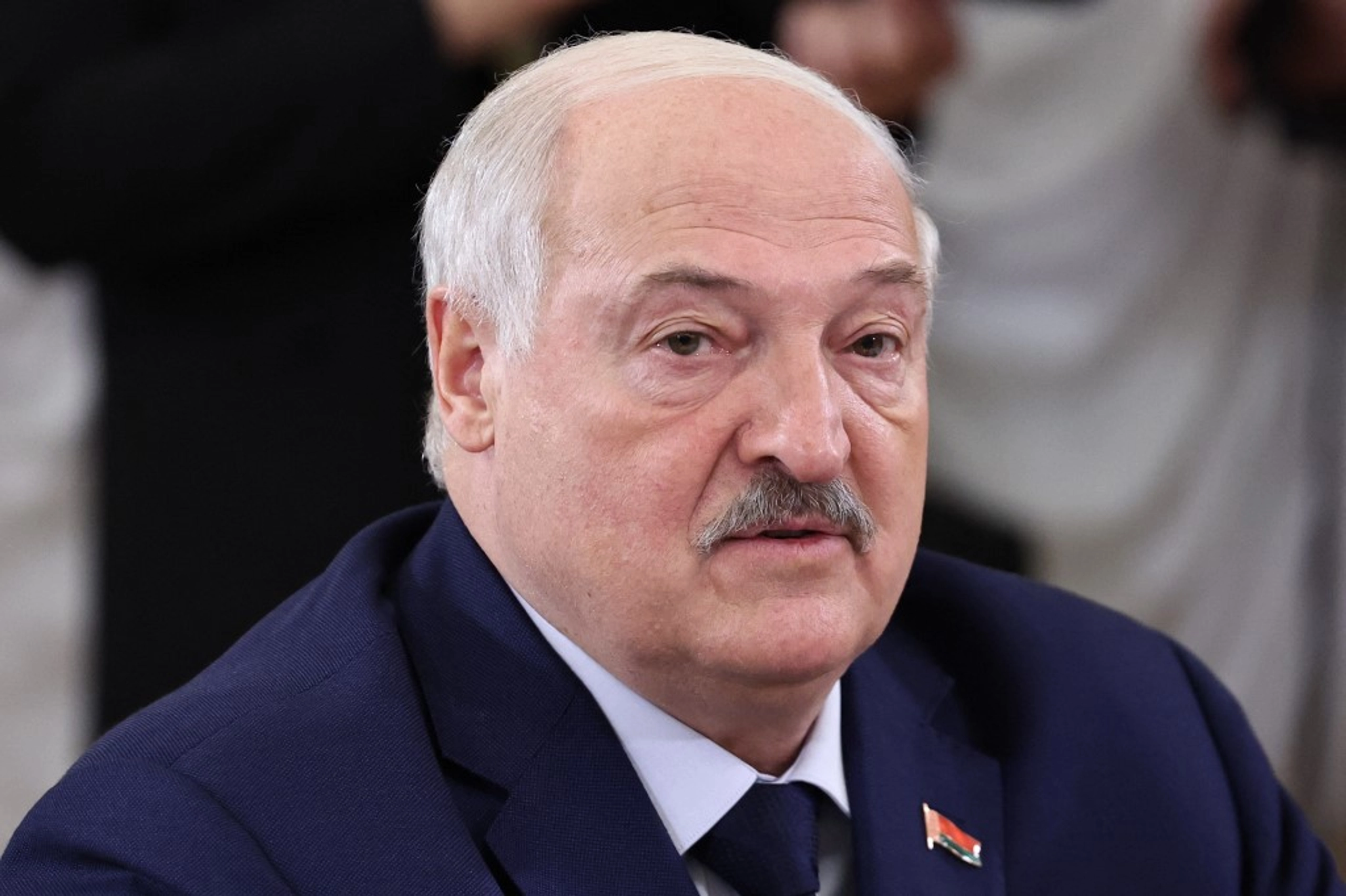
Belarusian leader Alexander Lukashenko issued a series of high-profile statements regarding the war in Ukraine during a public address in the western city of Grodno on Saturday, June 6, NEXTA Live reported.
Refusing to become “cannon fodder”
The Belarusian president used graphic language to dismiss the possibility of an offensive deployment into Ukrainian territory.
JOIN US ON TELEGRAM
Follow our coverage of the war on the @Kyivpost_official.
“Should we go fight in Ukraine according to someone else’s will? Do we want to be cannon fodder there? No, we do not want that,” Lukashenko declared during his address.
Despite his explicit refusal to deploy ground forces across the border, Lukashenko shifted his rhetoric minutes later to reassure the Kremlin of his strategic loyalty.
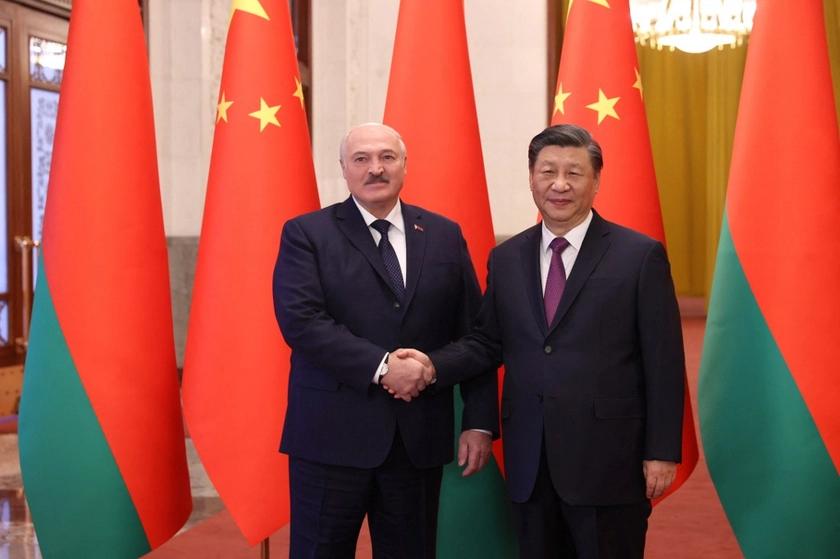
He emphasized that Minsk’s framework for deep military and defense cooperation with Moscow remains entirely unchanged. Lukashenko reasserted that Belarus has been, and will continue to be, an unyielding ally to Russia, adding that his country remains prepared to “defend” Russia if the situation demands it.
Appeals to neighboring states amid high tensions
During the Grodno address, the Belarusian leader also directed a public message toward the governments and civilian populations of the NATO and Ukrainian territories that share geographic borders with Belarus.
“I want the Poles, Lithuanians, and Ukrainians to hear me. We do not want to fight with them,” Lukashenko stated, attempting to project a defensive posture.
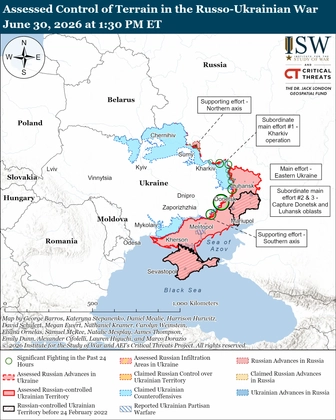
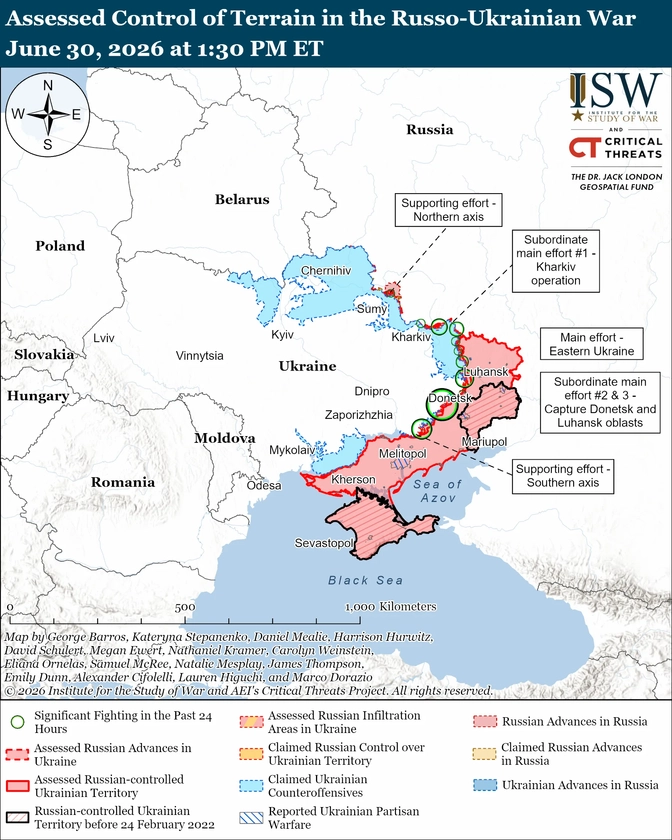
ISW Russian Offensive Campaign Assessment, June 30, 2026
The public appeal for calm arrives during a period of sustained friction along the shared 1,000-kilometer northern frontier. Tensions have remained at highs since February 2022, when Belarus allowed its sovereign territory to function as a primary staging ground and launchpad for Russia’s full-scale invasion in Ukraine.
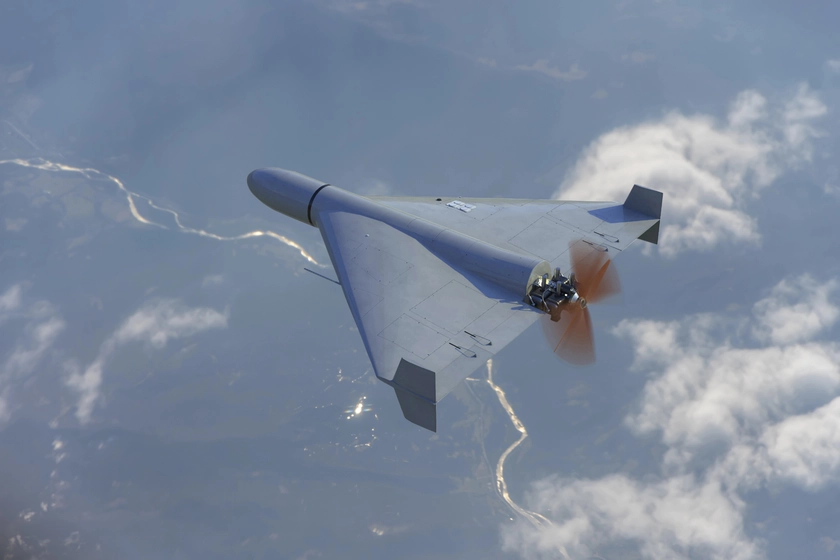
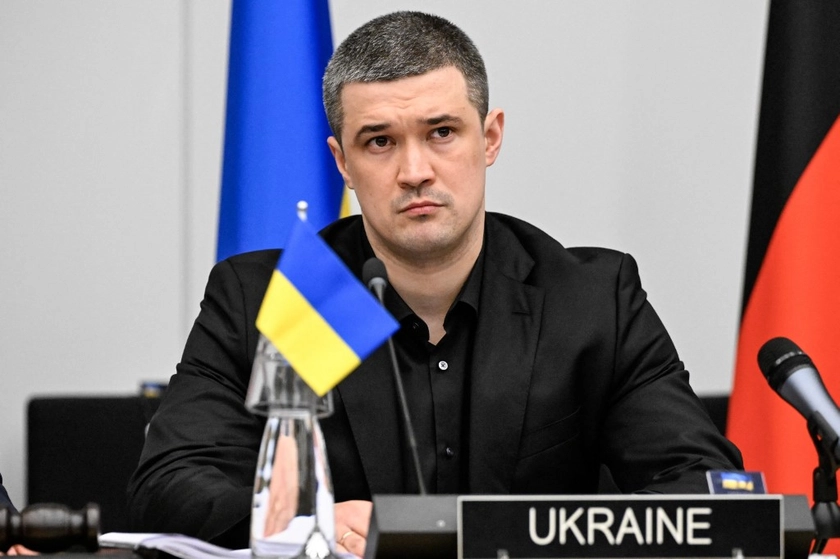
The rhetorical shift toward non-intervention also follows a publicized war of words between Lukashenko and senior Ukrainian military commanders. Robert “Magyar” Brovdi, the commander of Ukraine’s specialized Unmanned Systems Forces, recently issued a blunt warning to the Minsk regime, revealing that Ukraine’s vast drone fleet had pre-programmed a list of the first 500 high-value military targets across Belarus to act as an unbreakable asymmetric deterrent.
While Lukashenko previously attempted to mirror that threat by claiming Minsk possessed exact coordinates for a “very serious” proximate target near its borders – and insulted Ukrainian service members by labeling them untrained “cannon fodder” – his latest remarks in Grodno indicate a desire to de-escalate.
You can also highlight the text and press Ctrl + Enter

Russia Hit by 660-Drone Overnight Barrage Targeting Moscow, Crimea and Key Military Sites