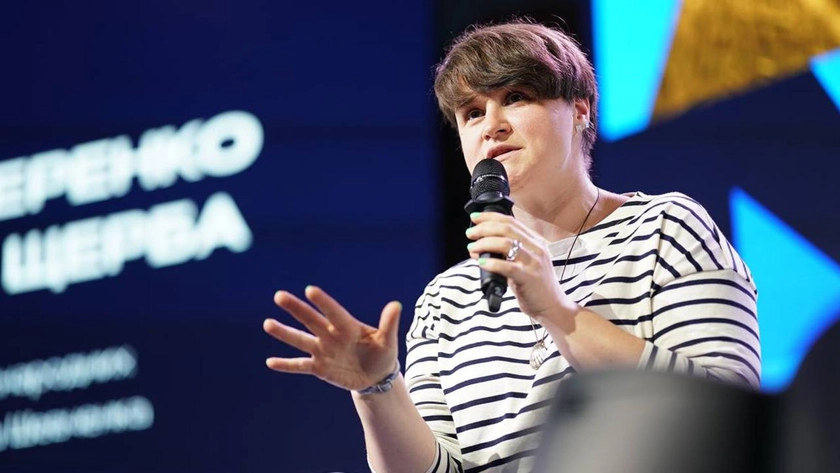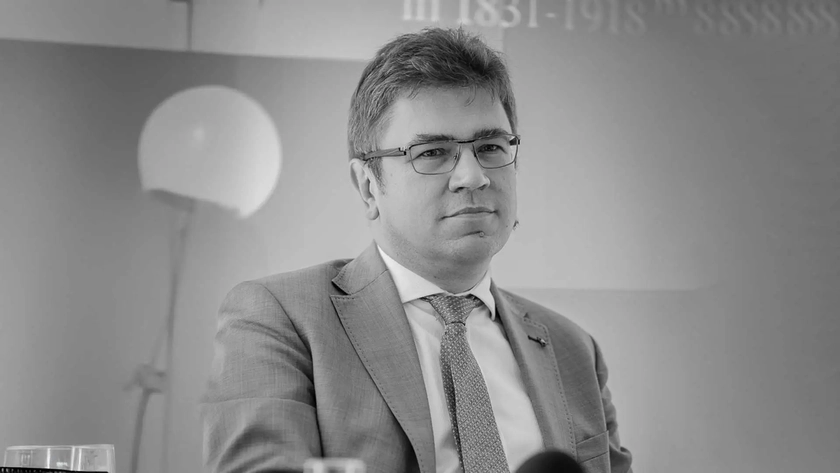
Lawyer Iryna Kozikava is the sister of political prisoner and member of Belarusian PEN Maksim Znak, who was arrested by the Lukashenko regime five years ago. She talks about life in exile, silent resistance, and the fight to preserve Belarusian culture.
JOIN US ON TELEGRAM
Follow our coverage of the war on the @Kyivpost_official.
Michał Kujawski: Aug. 9 marked the fifth anniversary of the mass protests in Belarus following the rigged presidential election. How do you remember that time?
Iryna Kozikava: In 2020, I was returning from maternity leave and working as a lawyer. I saw with my own eyes how unjust the system was – how courts and prosecutors operated. Among people, there was a profound sense of solidarity and hope. Many believed they were witnessing the end of Lukashenko’s rule. The opposition candidates enjoyed strong public support. After the falsified results, came shock, disappointment, and brutal violence. The internet was cut off, and nobody knew what was happening. Only after several days did we begin to understand the extent of the beatings and torture. People’s skin turned blue from the blows. But I will always remember the massive marches, full of faith and unity.
MK: Many protesters left Belarus. Some stayed, but ended up in prison. What remains of the energy from 2020?
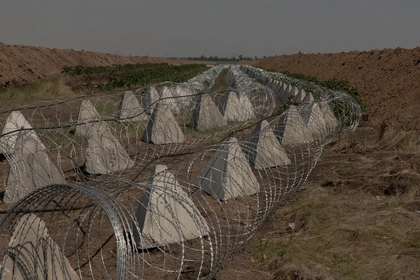
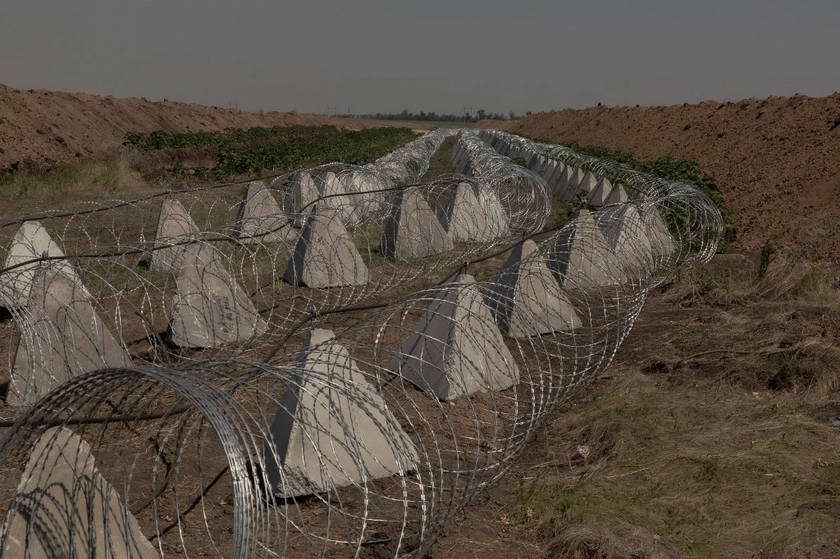
Ukraine Builds a Defense Line Against Belarus on Chernihiv Border
IK: Over 600,000 people have left Belarus since 2020. About 1,200 are currently imprisoned. Every day, the regime tightens control – no freedom of speech, no right to protest. Holding a sign on the street means prison. People avoid speaking their minds – they just want to survive, which is understandable. But that doesn’t mean resistance is gone. It still exists, quietly and locally.
MK: What does resistance look like today?
IK: It’s small-scale cultural events, or simple conversations between people who disagree with the regime but can’t speak openly. I have many friends like that. There are grassroots initiatives, but we can’t name them publicly due to security concerns. Sadly, the energy of 2020 is gone. That time felt like a celebration.
MK: A kind of freedom carnival?
IK: Yes, a solidarity festival. So much creativity – posters, backyard concerts. Today, the big events take place abroad: in Poland, Lithuania, and other countries.
MK: Among the political prisoners is your brother, Maksim Znak. When was he arrested?
IK: Maksim is a well-known lawyer. In 2020, he represented presidential candidate Viktar Babaryka. After Babaryka was barred from running, Maksim joined the united team of Babaryka, Kalesnikava, and Tsikhanouskaya, and became Tsikhanouskaya’s legal adviser. He was also a member of the Coordination Council. He posted a video explaining people’s legal rights during the election – that was enough to get him arrested on Sept. 9, 2020. Just five days earlier, we had celebrated his birthday.
MK: He wrote a book while in detention.
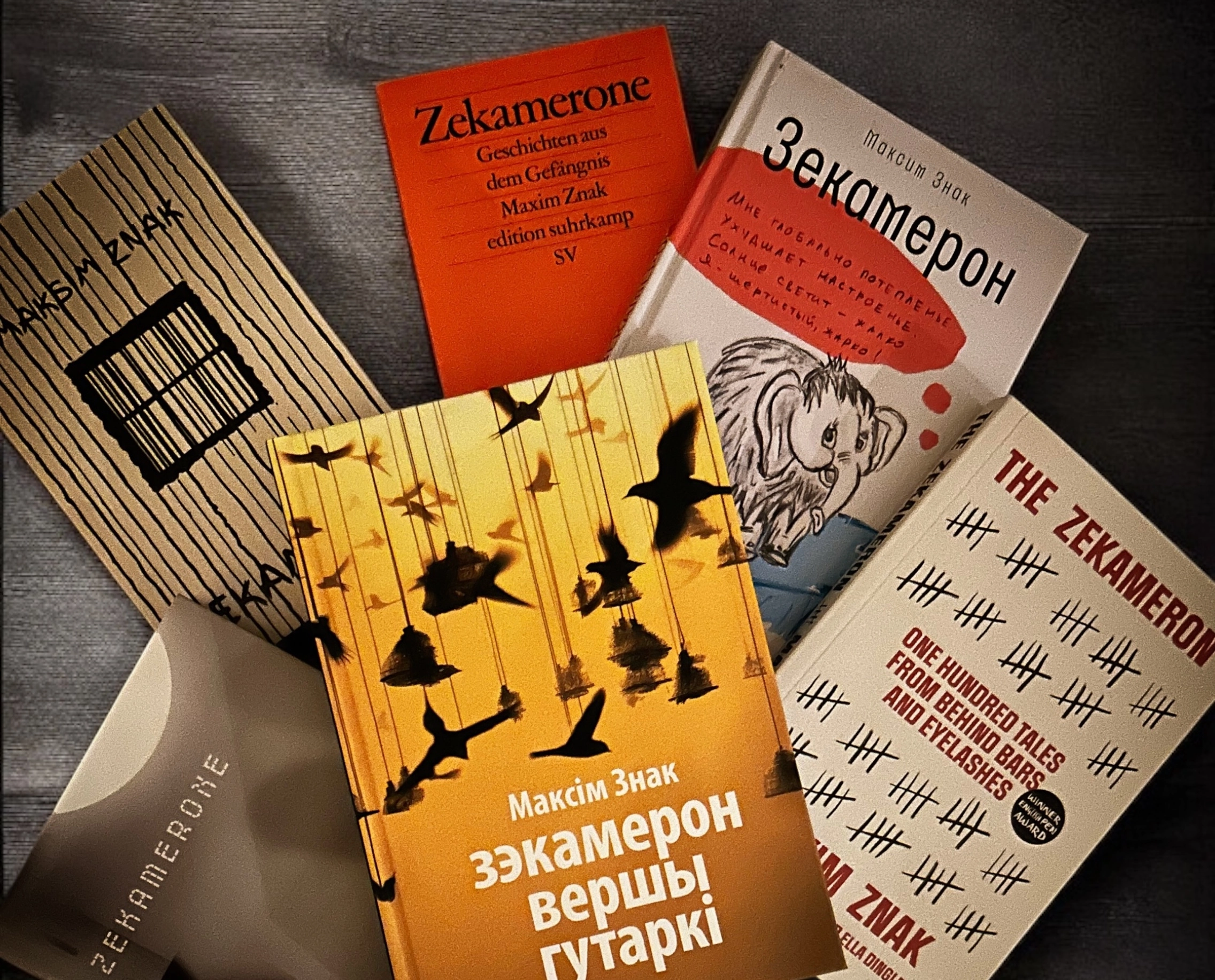
IK: Yes. “The Zekameron” – a play on words: “Zek” means prisoner in Russian, and “Decameron” refers to Boccaccio’s stories. The book contains 100 short stories, written in prison before his trial.
MK: How did the manuscript reach you?
IK: It wasn’t easy. We received parts through regular mail, which we had to piece together like a puzzle. The stories were numbered. He wrote it in Russian to reach a wider audience and raise awareness about what’s happening in Belarus. The book has since been translated into Belarusian, English, German, Swedish, and Danish. We’re working on a Polish edition.
MK: When did you lose contact with your brother?
IK: Feb. 9, 2023 – it’s been two and a half years. Maksim was placed under “incommunicado” status – complete isolation. International law defines this as a form of torture. He has no contact with anyone. Viktar Babaryka and recently released Siarhei Tsikhanouski have been in the same situation. Currently, 11 political prisoners are in total isolation.
MK: Do you know if your brother is still alive and in good health?
IK: We’ve been told he’s alive, but we know nothing about his condition. Sadly, no one has seen Maksim since. He’s in solitary confinement.
MK: When did you leave Belarus?
IK: After we lost contact with Maksim in February 2023. My husband, who was Maksim’s last lawyer, was arrested in March and held for 15 days. Our home was searched – just because he represented my brother. After my husband was released, we decided to leave. We have a young son, and we didn’t want him to grow up without a parent.
MK: Do you stay involved in Belarusian civic life abroad?
IK: I can’t practice law in Poland, but I work with the Belarusian PEN Centre, focusing on human rights and cultural advocacy. We monitor violations in the cultural sector, publish reports, and support persecuted cultural figures. We also help preserve and promote Belarusian culture abroad – for example, through the Jerzy Giedroyc Literary Award, which we now organize in Poland. It used to be held in Belarus, with Polish support.
MK: Speaking of culture – Belarusian is rarely spoken in Belarus. Why?
IK: It’s due to deep-rooted Russian influence – historical, political, and educational. Even in preschools, Belarusian is taught for only 15 minutes a week. In schools, it’s twice a week, while all science subjects are taught in Russian. Belarusian is treated like a foreign language. Unless parents speak it at home, children won’t learn it.
MK: Cultural colonization?
IK: Absolutely. People often ask me why Belarusians don’t speak Belarusian. We’ve prepared an analysis on this. Ultimately, it’s a personal choice. When we left Belarus, we abandoned Russian. It’s easier to do that in exile – especially if you’re surrounded by Belarusian speakers. Our son doesn’t speak Russian at all.
MK: But speaking Russian doesn’t automatically mean supporting the regime.
IK: Of course not. But if Belarusian were made available in schools, the media, and public life, the situation could change quickly.
MK: When it comes to Belarus’s future – are you optimistic or pessimistic?
IK: I’m a realist. I don’t see a clear path to change right now. But I hope my brother stays strong and gets out of prison. His sentence ends in 2030.
MK: Some political prisoners have been released early – like Tsikhanouski or Sannikau.
IK: True. Some recent releases happened under diplomatic pressure – but often just weeks before the sentence was up. It’s a PR move by the regime.
MK: And to be pardoned, prisoners are often forced to admit to fabricated crimes.
IK: Yes, it’s another form of psychological abuse. Regime officials push for such confessions, but society doesn’t take them seriously. For prisoners, it’s about surviving and regaining freedom.
You can also highlight the text and press Ctrl + Enter