WASHINGTON DC - In a striking move to reshape the US immigration system, US President Donald Trump has unveiled a new, revenue-focused approach to welcoming foreigners. On Friday, he signed executive orders that dramatically increase the cost of entry for both high-skilled workers and the world’s wealthy, a policy shift that critics say prioritizes financial contribution over all else.
The actions are framed by the administration as a way to secure the country’s borders, protect American jobs, and generate billions of dollars for the US Treasury.
JOIN US ON TELEGRAM
Follow our coverage of the war on the @Kyivpost_official.
$100,000 H-1B visa fee
The most immediate and impactful change targets the H-1B visa program, a cornerstone of the US tech and professional services sectors for decades.
A new proclamation imposes a $100,000 annual fee for each visa application, a staggering increase from the trivial filing fees companies have paid in the past.
The administration argues this change will end the “abuse” of the program, which they claim has been used to hire foreign workers at lower wages, thereby undercutting American labor.
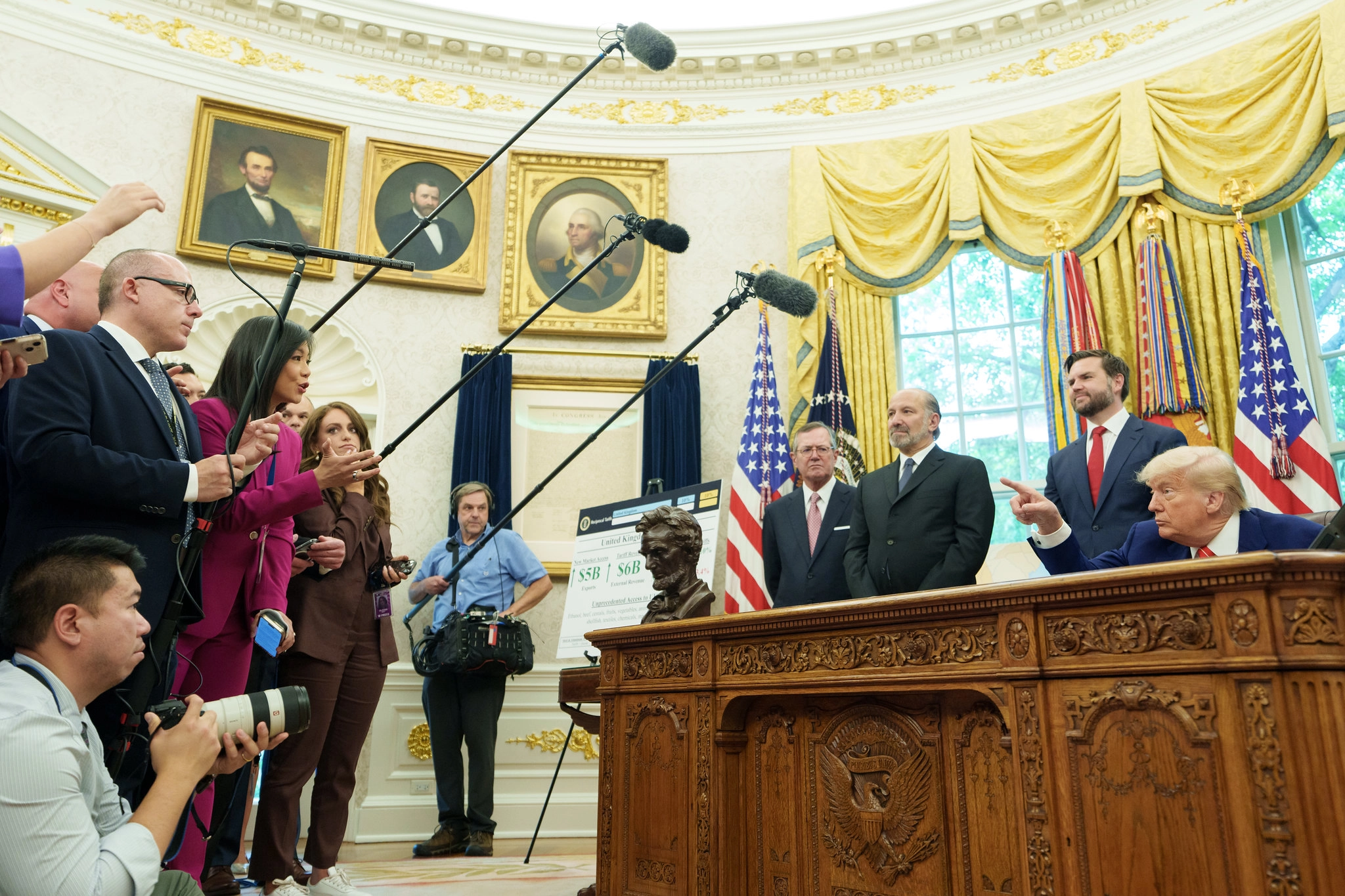
Commerce Secretary Howard Lutnick, a key architect of the policy, told reporters on a call Friday night that the new policy would ensure that only the “very highly skilled” are brought in.
Lutnick explicitly stated that companies will no longer be able to use H-1B visas to hire “trainees” and that the cost will incentivize them to “train an American” instead.
Russian Hardliners Urge Putin to Quit US Talks
“Trump Gold Card” for the rich
In a separate but equally bold move, Trump announced the creation of the “Trump Gold Card” visa program. This initiative establishes a fast-track pathway to residency for wealthy foreigners willing to pay a hefty price.
An individual can purchase the card for $1 million, while a company can pay $2 million to sponsor a foreign worker.
A more exclusive “Platinum Card,” costing $5 million, is also reportedly in the works and would allow foreigners to spend up to 270 days in the US tax-free on non-US income, pending congressional approval.
The official website for the program, trumpcard.gov, features a design with the president’s portrait, the Statue of Liberty, and an American flag.
When asked by Kyiv Post about the potential for money laundering and national security risks given the complex financial arrangements of the target audience, Lutnick pushed back on the idea that the program was more vulnerable than existing systems.
He explained that a portion of the fee, specifically $15,000, would go toward a “rigorous vetting” by the Department of Homeland Security and the State Department.
He further argued that the requirement for applicants to be subject to US global taxation would discourage those with illicit financial ties. “The people with deep, complex, global tax issues will probably not come under this program,” he said.
The Trump administration has positioned these policies as part of a broader effort to reform immigration by focusing on economic contribution rather than humanitarian or family-based ties.
You can also highlight the text and press Ctrl + Enter