WASHINGTON, DC – US President Donald Trump is leveraging the lure of advanced American weaponry to pressure a key NATO ally to sever its financial ties with Moscow, an approach that has underscored a growing and fundamental fissure within the alliance over Russian energy.
During a bilateral meeting on Thursday with Turkish President Recep Tayyip Erdogan, Trump reportedly tied the potential reversal of a ban on selling F-35 fighter jets to Turkey’s willingness to halt its purchase of Russian oil, senior officials confirmed to Kyiv Post.
JOIN US ON TELEGRAM
Follow our coverage of the war on the @Kyivpost_official.
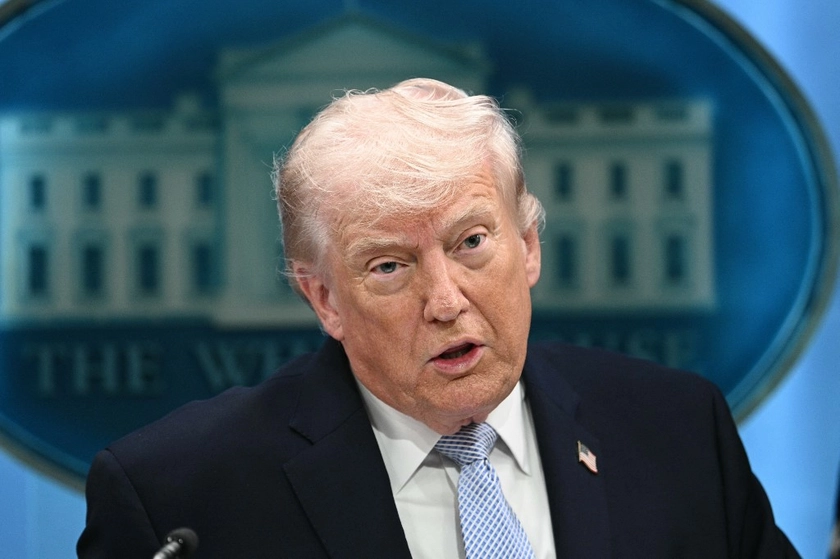
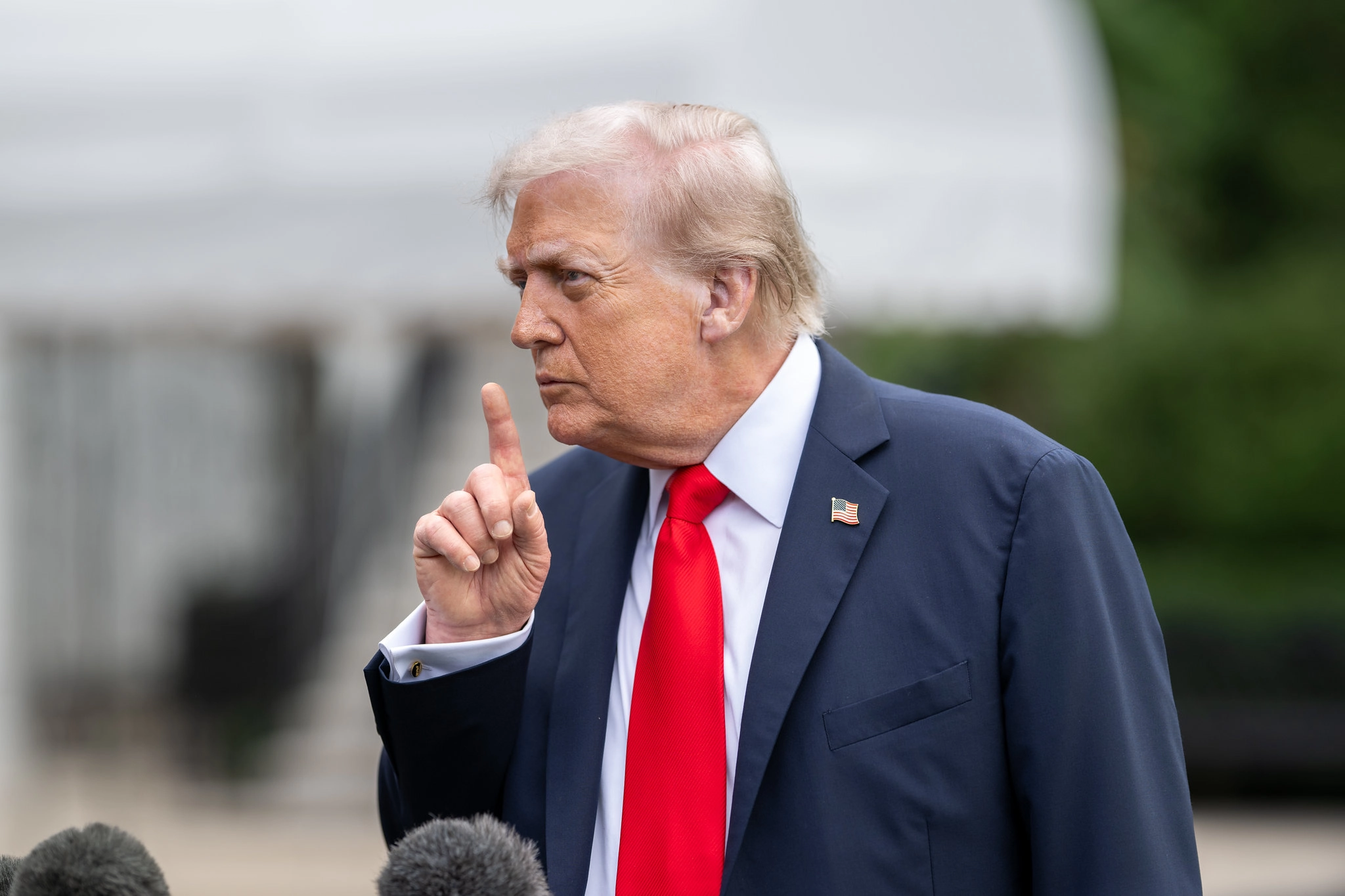
Trump himself hinted to reporters, stating he believed Erdoğan “will” comply if asked, despite not having a direct commitment. He indicated a transactional path forward.
“He needs certain things, and we need certain things, and we’re going to come to a conclusion,” Trump told of Erdogan hours after the pair’s Oval Office meeting.
While stopping short of confirming a commitment from the Turkish leader, Trump projected confidence, asserting, “I don’t want to say that, but if I wanted to, he will,” regarding an end to Ankara’s Russian oil imports.
Trump also framed the demand with a critical distinction: Turkey, a coastal nation, has “a lot of options” for importing alternative energy.
‘Married to one pipeline’ divide
That confidence quickly collided with a stiff rejection from Central European NATO allies Hungary and Slovakia, who cited stark geographical realities in their refusal to comply with US pressure.
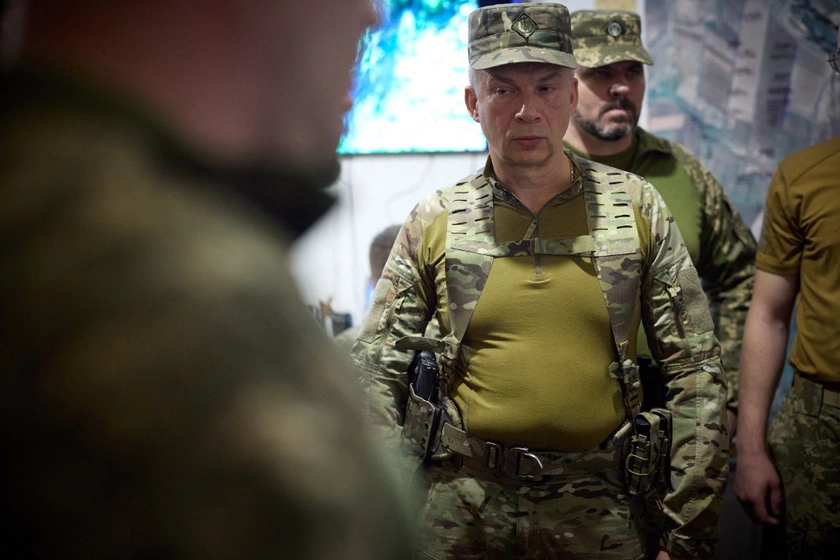
Ukraine’s General Syrsky: AFU Is Making Fair Progress vs Russia But No Victory Soon
The debate, which one senior administration official privately called a struggle between “a lot of options” and “married to one pipeline,” centers on the Druzhba pipeline, the Russian artery that has been the sole, reliable oil supplier for the landlocked nations for decades.
Hours before the Erdoğan meeting, Trump held a phone conversation with Hungarian Prime Minister Viktor Orbán, his close political ally, US officials told Kyiv Post.
Yet the call yielded no change in Budapest’s position. Hungarian Foreign Minister Péter Szijjártó, following the Trump-Orbán call, stressed that his country’s energy supply “cannot be guaranteed without Russian oil and gas” due to “geographical and physical factors.”
Szijjártó pointedly noted Hungary is only responsible for 2.2 percent of Russian oil exports, accusing other Western European nations of “hypocrisy” by importing larger volumes of refined Russian products via third countries, such as India.
Similarly, Slovak Economy Minister Denisa Sakova warned that cutting Russian imports prematurely would “risk seriously damaging our industry and economy.”
Both capitals stated that fully replacing Russian crude would necessitate costly, long-term overhauls of their refinery infrastructure and transportation networks.
The resistance from Budapest and Bratislava solidifies a political and logistical challenge to the administration’s strategy of an economic chokehold on Russia, highlighting how deeply Moscow’s energy influence is embedded within the 32-member alliance.
Trump ‘disappointed’ by Russia
The push on NATO members to cut funding for Moscow comes amid a broader shift in the US President’s public rhetoric on the Ukraine conflict.
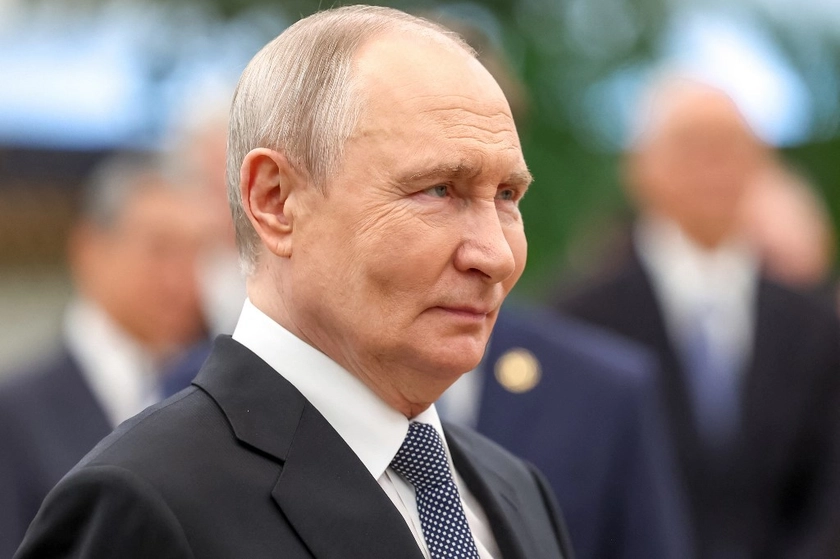
Trump voiced an unusual note of personal criticism toward the Kremlin, stating he was “very disappointed in President Putin,” calling the war a “rampage” and lamenting the “waste of human life.”
Yet, even as he sharpened his rhetoric against Russia and pressured European allies for financial support, the Trump administration simultaneously offered a notable concession to Beijing on the economic front.
High-profile deal with China
Separately, the Trump regime made a decisive move on a high-profile technology and national security issue. Trump on Thursday signed an executive order approving the sale of a majority stake in the US operations of the video-sharing app TikTok to a consortium of American investors.
The deal, which a White House statement valued at approximately $14 billion, is purportedly intended to resolve national security concerns over the Chinese parent company, ByteDance.
Trump’s Vice President JD Vance said that the new structure would protect American user data and ensure the US company would “control how the algorithm pushes content to users,” preventing the app from being used as a “propaganda weapon.”
Trump named Oracle founder Larry Ellison, media mogul Rupert Murdoch, and Michael Dell as key investors, humorously adding he guaranteed that while he would like to make the app “100% MAGA,” everyone is ”going to be treated fairly... every philosophy.”
You can also highlight the text and press Ctrl + Enter