





Key Takeaways from the ISW:
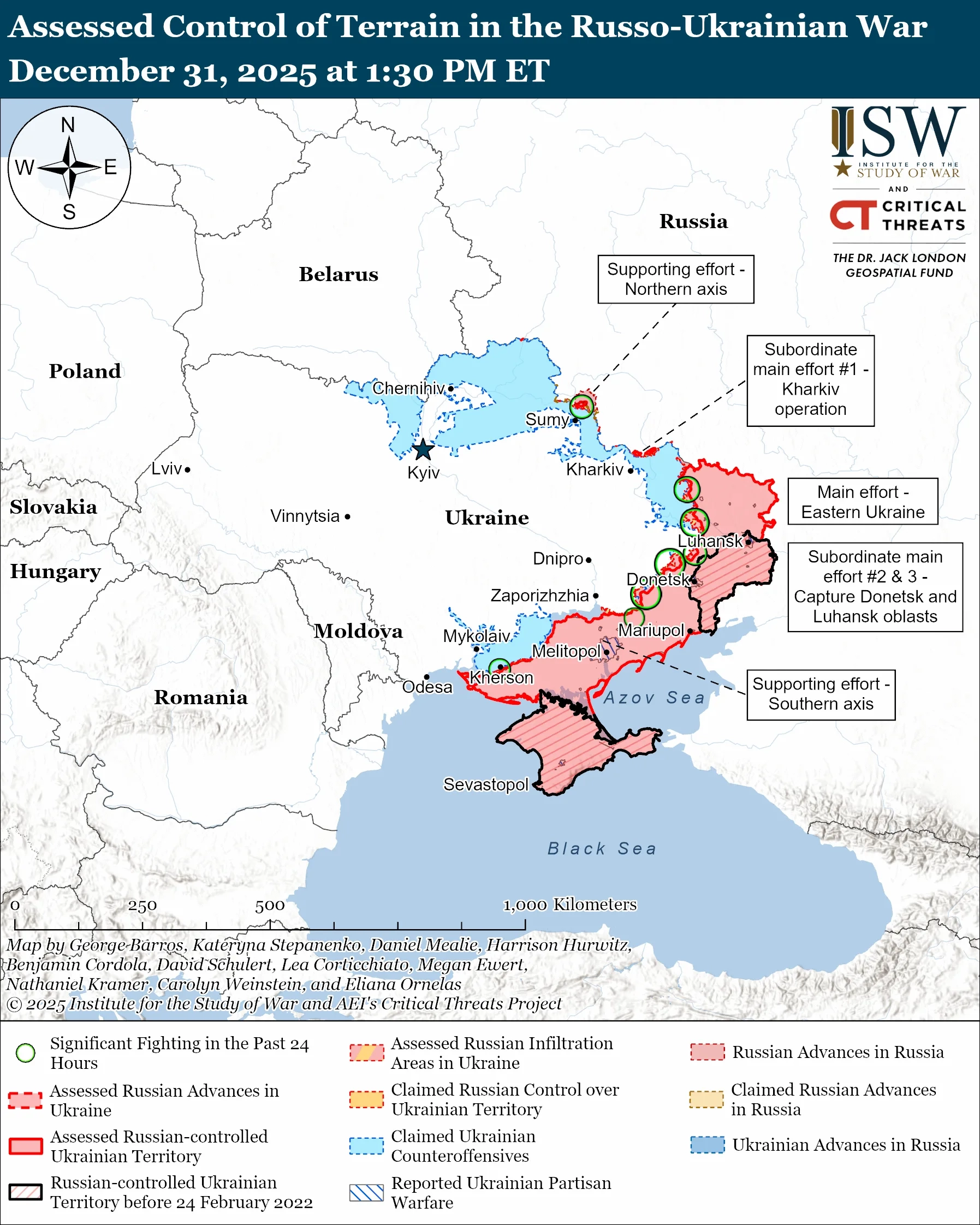
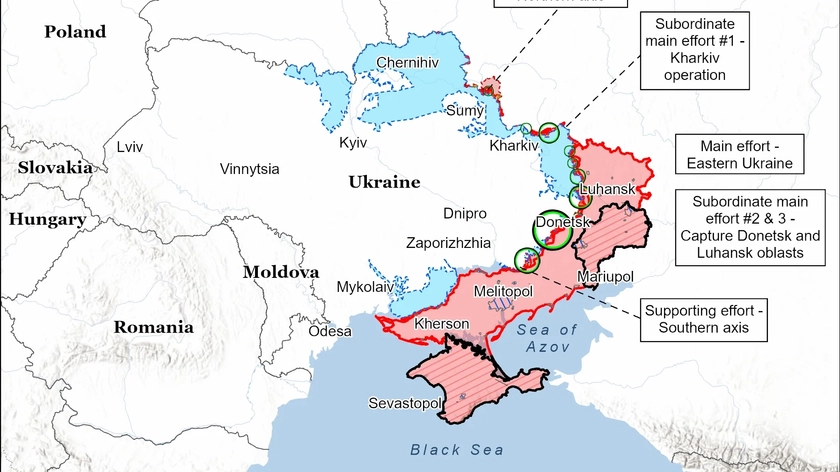
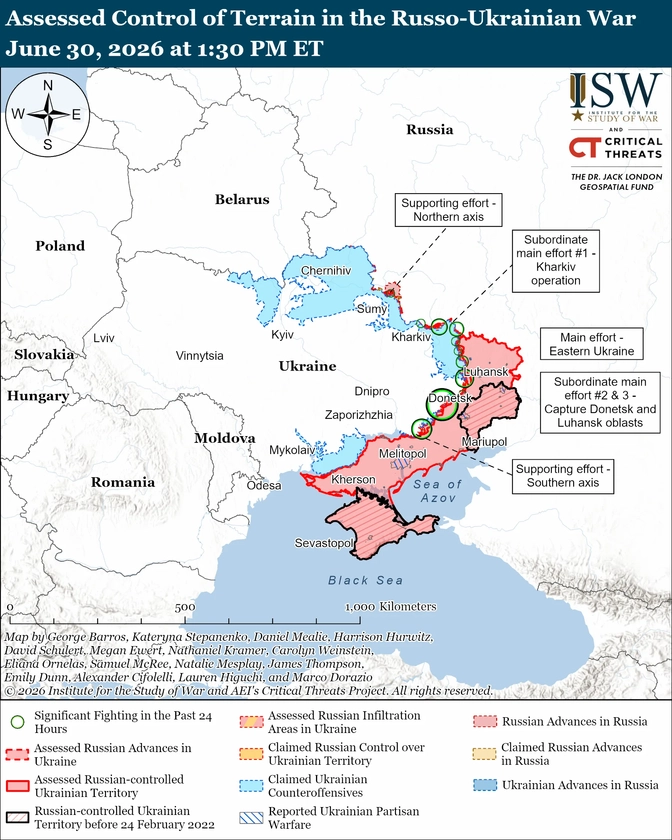
- Russian forces increased their average rate of advance in 2025 due to a new operational template supported by technological adaptations and a shift in assault tactics.
- The Russian military command largely prioritized efforts to seize the remainder of Donetsk Oblast and establish a buffer zone in northern Sumy and Kharkiv oblasts in 2025 but failed to accomplish these goals.
- The orientation of Ukrainian defenses and fortified areas helped to hinder Russian advances in select areas in 2025.
- Ukrainian forces appear to be undertaking their own BAI campaign that will likely parallel that of Russia.
- Russian forces launched over 54,000 long-range drones and over 1,900 missiles against Ukraine in 2025.
- The Kremlin is presenting alleged evidence to support its claim that Ukrainian drone strikes targeted Russian President Vladimir Putin’s residence in Novgorod Oblast on the night of December 28 to 29, but the alleged evidence continues to be unpersuasive.
- Russian President Vladimir Putin officially named 2026 the Year of the Unity of the Peoples of Russia in his annual New Year’s Eve address.
- Ukrainian forces recently advanced in western Zaporizhzhia Oblast. Russian forces recently advanced near Pokrovsk.
JOIN US ON TELEGRAM
Follow our coverage of the war on the @Kyivpost_official.
See the original here.
To suggest a correction or clarification, write to us here
You can also highlight the text and press Ctrl + Enter
You can also highlight the text and press Ctrl + Enter

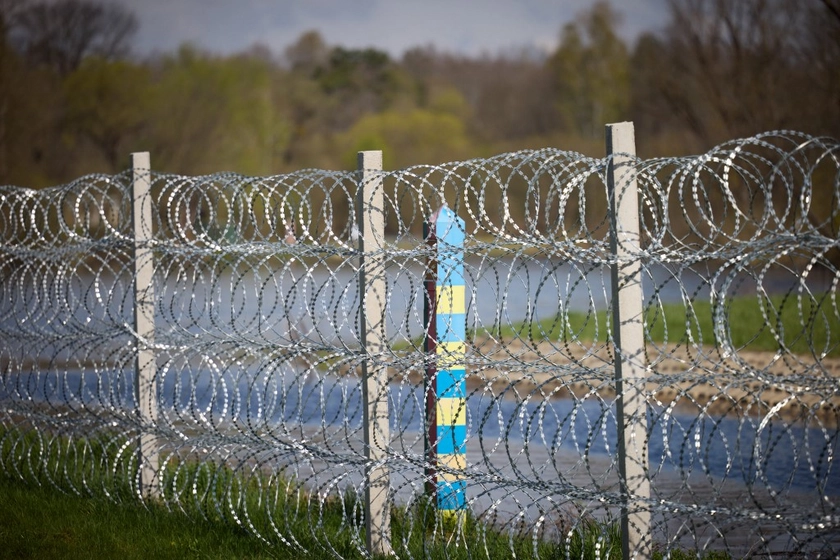
ANALYSIS: Why Ukraine has Abandoned Four Years of Caution over Belarus
Ukraine has issued a public ultimatum to Belarus, demanding the removal of relay equipment used to guide Russian drone strikes.
June 28, 2026