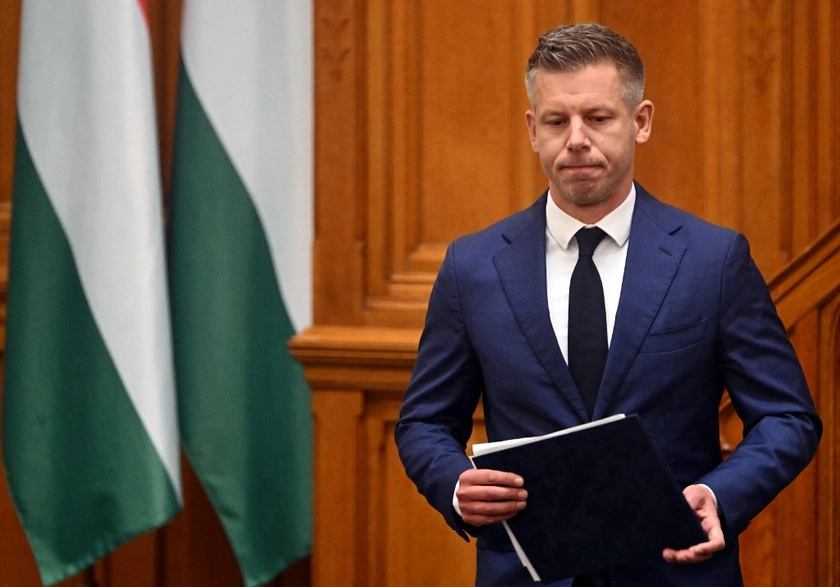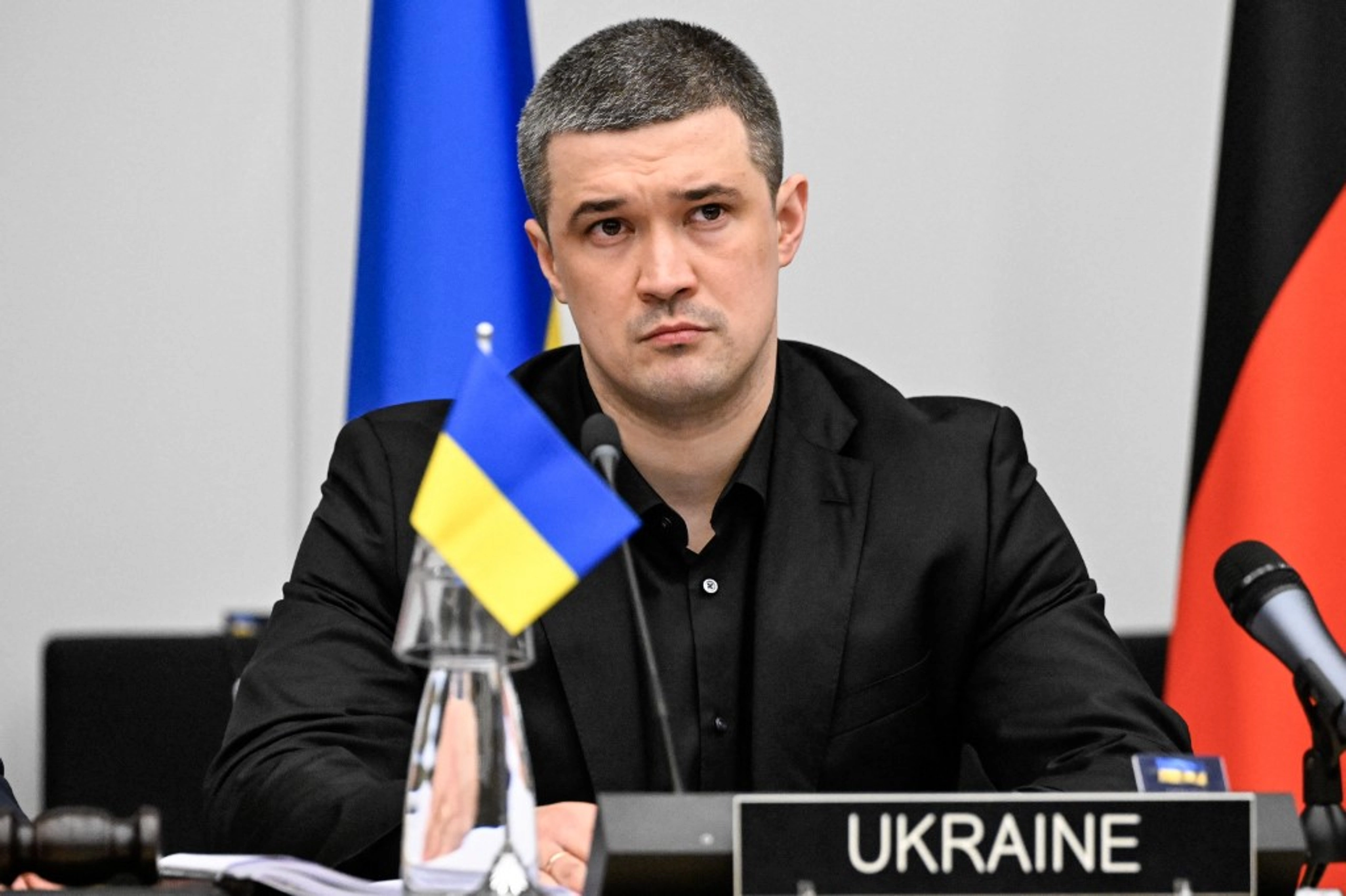
Ukraine has regained the initiative on the battlefield after months of strikes on Russian troops, logistics hubs, and oil infrastructure, but risks losing that advantage without additional Western funding, Defense Minister Mykhailo Fedorov said.
In an interview with Politico published on Tuesday, Fedorov said Ukraine has a limited opportunity to maintain pressure on Russia before Moscow adapts to Kyiv’s latest military innovations.
JOIN US ON TELEGRAM
Follow our coverage of the war on the @Kyivpost_official.
“We need the next level of aid to be able to finish the job,” Fedorov said.
“If we have enough resources to launch a new cycle of war innovations before Russia adapts to the current one, we will get another six months,” he added.
Fedorov urged Ukraine’s partners to quickly increase military assistance, arguing that speed has become a decisive factor on the battlefield.
“In a war of technology, you can see how quickly you can turn the tide. It all depends on the speed of financing and our actions,” he said.
Kyiv is seeking additional funding beyond existing commitments, including access to the entire €6.6 billion ($7.5 billion) available through the European Peace Facility (EPF) program.
Rather than reimbursing EU member states for military aid already delivered, Ukraine wants the funds directed straight to Kyiv to finance new weapons procurement.
“Abandon non-priority contracts”
On Tuesday, Ukraine received €3.9 billion ($4.5 billion) from the EU as the first defense payment under the Ukraine Support Loan program.
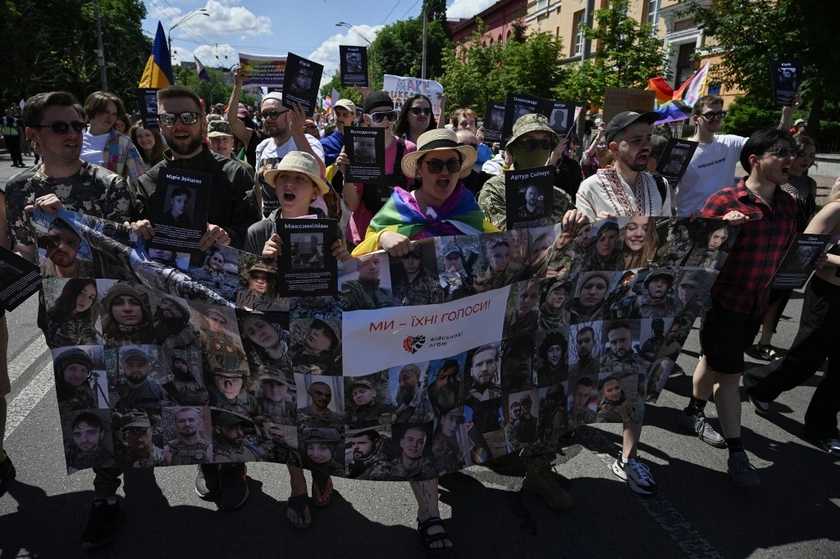
‘Die Together’: Ukraine’s LGBTQ Soldiers Fighting Russia – and for Their Rights
The funds are aimed at strengthening Ukraine’s defense industry, expanding drone production, and supporting urgent military procurement.
The payment is part of a broader €90 billion ($103 billion) EU support package for 2026-27, with up to €45 billion ($51 billion) expected to be available to Ukraine this year.
Fedorov also said Ukraine’s allies should reconsider previously approved military assistance packages and prioritize equipment that better reflects battlefield realities.
“We should review the existing contracts and abandon non-priority ones,” he said, pointing to medium-range strike drones as a higher priority than repairing tanks.
Drone campaign slows Russian advances
According to Fedorov, Ukraine’s expanding drone and missile campaign has already begun changing the course of the war.
He credited recent reforms in defense procurement and increased investment in domestic weapons production for allowing Ukraine to strike Russian oil refineries, logistics hubs, and military infrastructure hundreds of kilometers behind the front line.
“Our medium-strike campaign is aimed at protecting our infantry, stopping Russian advancement, and disrupting their resupply. Russians already feel it. At some parts of the front, they slowed down,” Fedorov said.
He also cited improvements in procurement transparency, competitive tenders for drones and artillery shells, and expanded production of interceptor drones, cruise missiles, and low-cost strike systems.
Fedorov, who transitioned from the digital minister role in early 2026, has named procurement reform as one of his priorities as defense minister, saying that part of that effort includes introducing lie detector tests for officials and contractors.
Recruitment reforms also underway
Alongside weapons production, Fedorov said the government is overhauling Ukraine’s military recruitment system – another priority he identified upon assuming the role.
Recent reforms introduced new contract options, increased salaries, simplified the return of soldiers absent without leave (AWOL), and created pathways for long-serving troops to leave military service.
“There are already thousands of applications for a return from AWOL. We see that thousands of people want to sign a contract,” Fedorov said.
He added that faster deliveries of international military aid would allow Ukraine to redirect more state funds toward paying higher salaries to service members.
Targeting Russian logistics
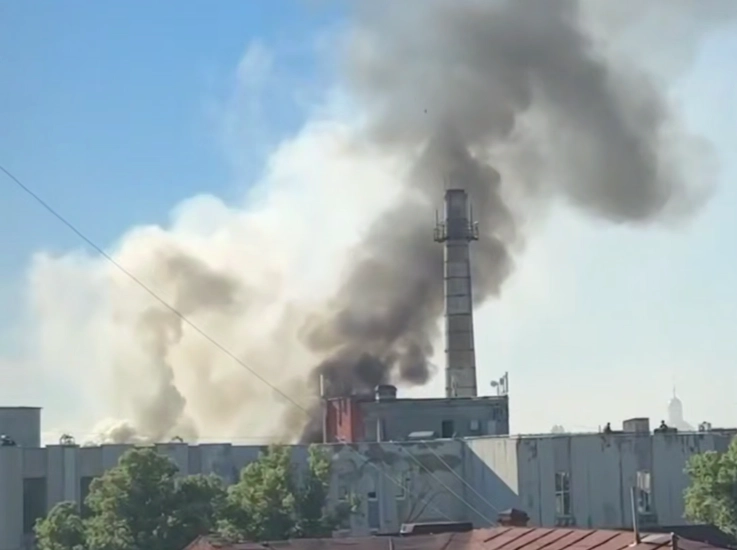
Ukraine has intensified attacks against Russian military and energy infrastructure in recent weeks, targeting oil refineries, ammunition depots, logistics hubs and air bases deep inside Russian territory in what’s officially referred to as the “middle strike” campaign.
Kyiv’s drone commander previously said the attacks – particularly those targeting occupied Crimea – aim to force a Russian withdrawal.
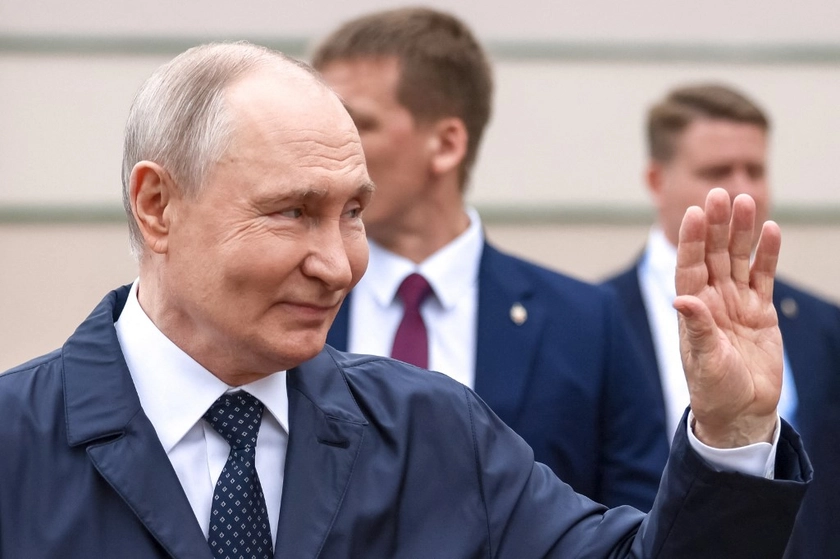
The attacks prompted a fuel sales ban in occupied Crimea, followed by a state of emergency as logistics routes to the peninsula were severed. Fuel infrastructure was also hit across Russia, and the gasoline crisis later spread nationwide, with Russian President Vladimir Putin publicly acknowledging the issue over the weekend.
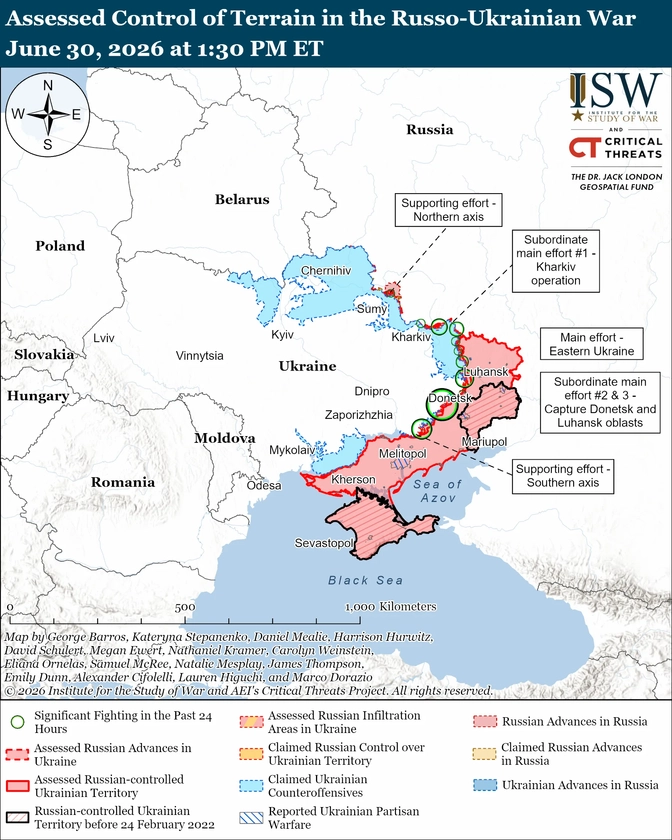
Recent assessments by the Institute for the Study of War (ISW) have also suggested that Russian advances have slowed and that battlefield dynamics have become more favorable to Ukrainian forces in several sectors.
Fedorov argued that maintaining this momentum now depends on continued Western investment.
“He has to feel the cost is too high to continue,” the minister said, referring to Putin.
You can also highlight the text and press Ctrl + Enter