Senior Democrats in the US Senate have criticized Washington’s decision to extend a temporary waiver on Russian oil sanctions, telling President Donald Trump to “stop letting Putin play him for a fool.”
The license, which the US Treasury Department had said days earlier it would not renew, allows countries to buy Russian oil and petroleum products already loaded onto vessels until May 16.
JOIN US ON TELEGRAM
Follow our coverage of the war on the @Kyivpost_official.
The Trump administration has justified the waiver as a necessary measure to ease surging oil prices and supply concerns driven by the US-Israeli war in Iran.
But lawmakers from the opposition Democratic Party argue the policy risks undermining sanctions designed to curb Russia’s war on Ukraine.
“This decision is shameful and a 180-degree reversal from [Treasury] Secretary Bessent,” senators Jeanne Shaheen, Chuck Schumer and Elizabeth Warren wrote in a joint letter.
They said the initial waiver, which expired on April 11, combined with high global oil prices during the Iran war, provided Russia with roughly $150 million per day — more than $4 billion by the time the exemption expired.
The letter added that “enough is enough” and that “President Trump needs to stop letting Putin play him for a fool and impose additional sanctions on Putin,” warning that Moscow is not facing sufficient economic pressure.
Zelensky: Russia Shifts Donetsk Capture Deadlines – Now at 15 Attempts
‘Ridiculous’ response
The administration has since rejected those claims, with US Ambassador to the UN Mike Waltz calling it “ridiculous” to suggest the move was “rewarding Russia” in an interview for private television station NBC.
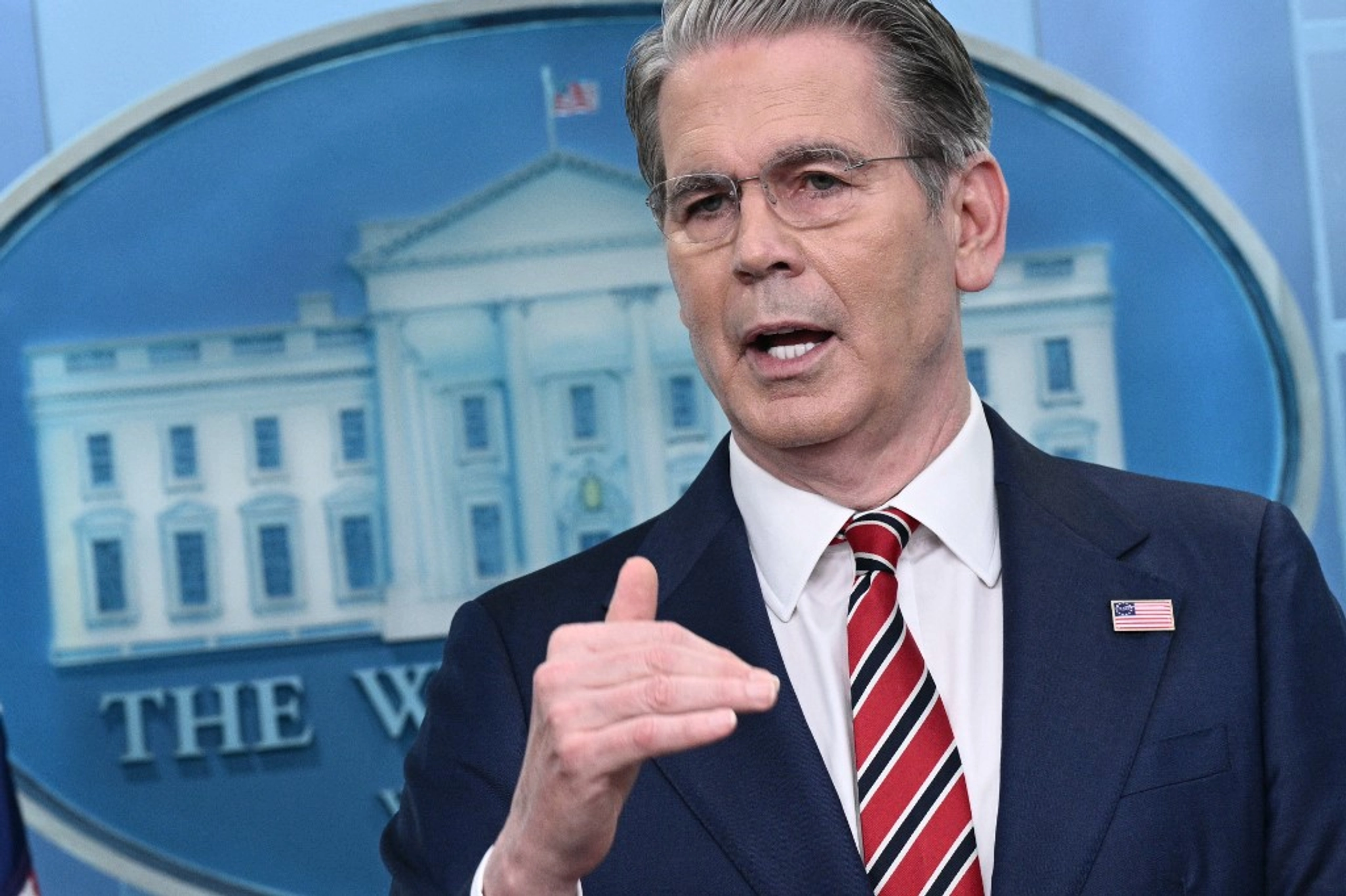
Waltz argued that the waiver applies only to oil already in transit and does not permit new production to enter the market. He also said the policy allows supplies to reach US allies rather than being redirected solely to countries such as China.
He further pointed to what he described as broader strategic gains, including the weakening of Iran, a key Russian military partner, following recent conflict in the region.
“It’s this administration that put sanctions on Russia’s number one and number two oil providers… unlike the last administration,” he added.
Despite the policy shift, analysts say the overall impact on global oil prices has been limited. Much of Russia’s crude continues to be transported via so-called “shadow fleet” tankers that operate outside formal sanctions frameworks.
You can also highlight the text and press Ctrl + Enter