Ukraine is increasingly exploiting critical weaknesses in Russia’s air defense systems, allowing it to carry out long-range strikes on key military and energy infrastructure deep inside Russian territory, analysts at the Institute for the Study of War (ISW) said on Monday, April 27.
According to the report, Russia’s air defenses are “overstretched,” creating vulnerabilities that Ukrainian forces have used to expand both the range and intensity of their attacks.
JOIN US ON TELEGRAM
Follow our coverage of the war on the @Kyivpost_official.
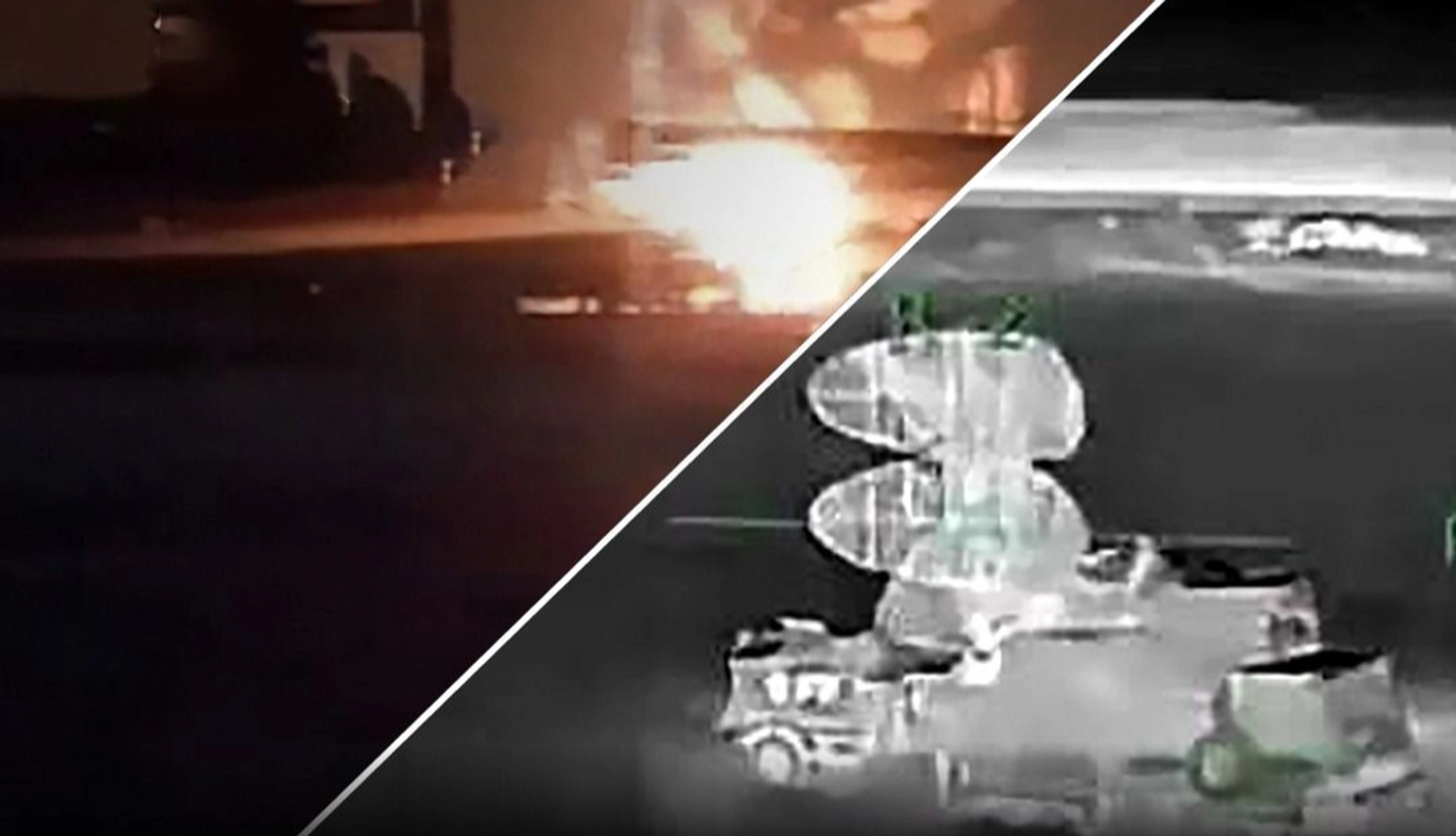
On the night of April 25-26, Ukrainian forces struck the Yaroslavl oil refinery, one of Russia’s major fuel-processing facilities, causing a fire. The plant has an annual capacity of about 15 million tons and produces gasoline, diesel, and jet fuel.
Geolocated footage confirmed fires at the site, while open-source analysts suggested that a key processing unit may have been hit.
Ukraine has also targeted military assets in occupied Crimea. According to Ukraine’s Security Service (SBU), strikes in Sevastopol damaged several Russian naval vessels, a reconnaissance ship, radar systems, and infrastructure at the Belbek airfield.
Russian-installed officials acknowledged the scale of the attack, stating that dozens of drones were launched overnight.
Analysts say Ukraine’s long-range strike campaign has intensified since March, with forces conducting at least 10 attacks on Russian oil and gas infrastructure in recent weeks.
Zelensky: Russia Shifts Donetsk Capture Deadlines – Now at 15 Attempts
These operations are increasingly reaching deep into Russia’s rear, including a strike in Chelyabinsk – more than 1,800 kilometers from the Ukrainian border.
The Institute for the Study of War notes that Russia’s vast territory and the growing number of Ukrainian drones have stretched its air defenses thin, making it difficult to protect all critical sites.
As Ukraine expands domestic drone production, experts expect more frequent and larger-scale strikes targeting Russia’s economic and military capabilities.
You can also highlight the text and press Ctrl + Enter