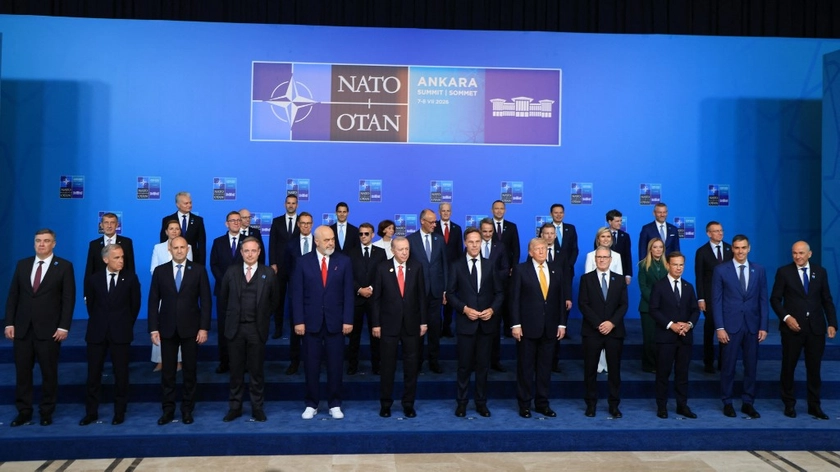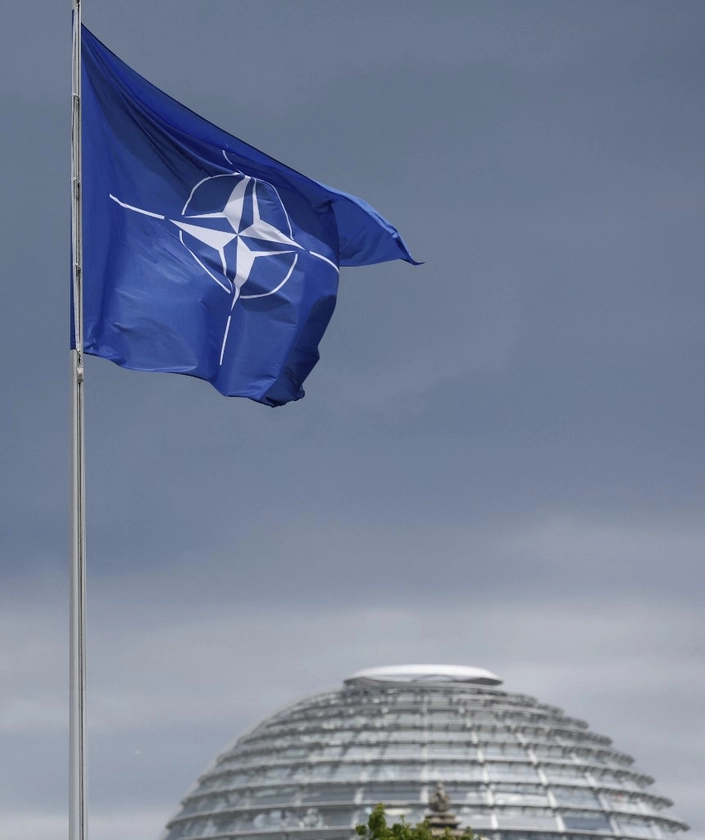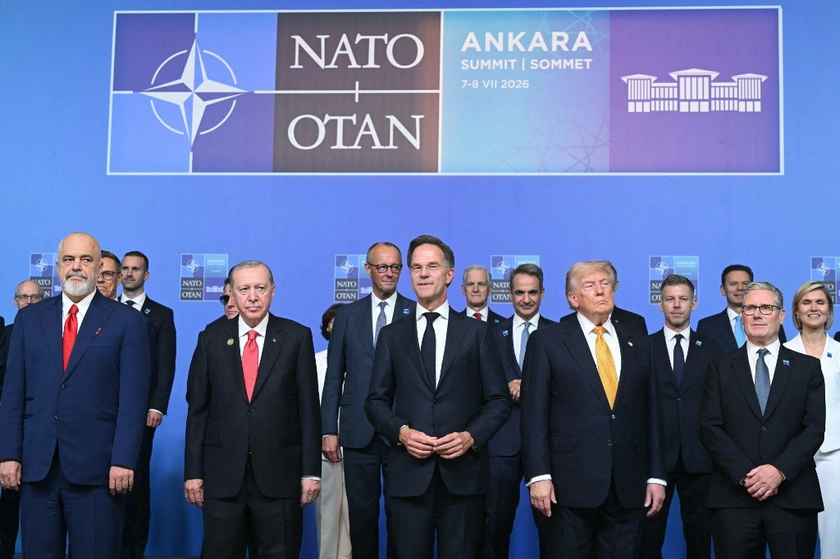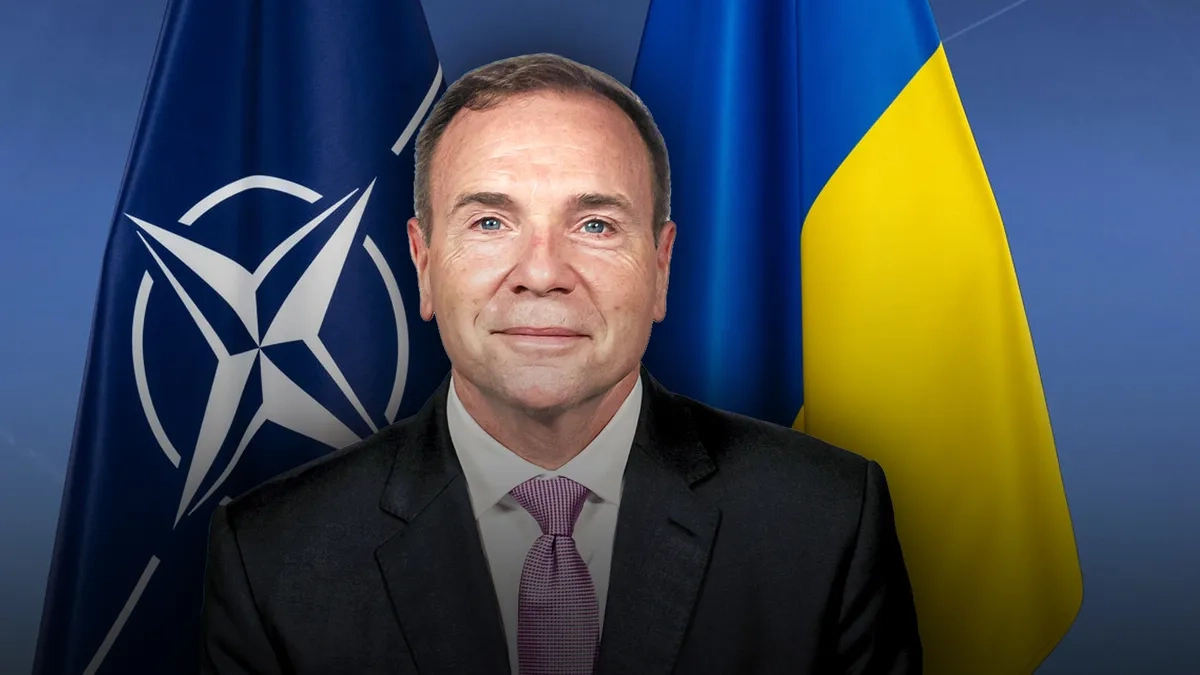
NATO is moving “in the right direction” following the summit in Ankara, with allies remaining united behind Ukraine despite earlier tensions, a former senior US commander has said.
The summit achieved “the most important objective” by demonstrating that NATO remains united despite previous strains between US President Donald Trump and his European allies, Ben Hodges, former commander of US Army Europe, told TVP World.
JOIN US ON TELEGRAM
Follow our coverage of the war on the @Kyivpost_official.
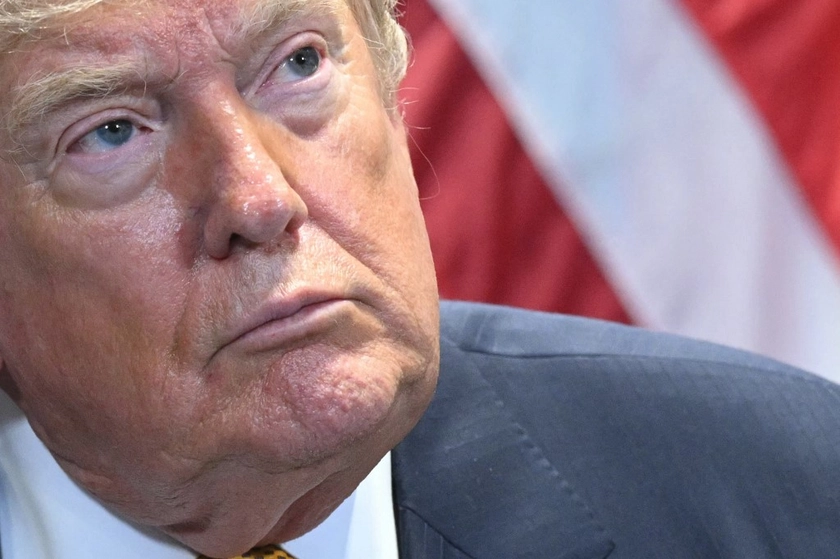
“At the end of the summit … the language coming from the American president was better than I have ever heard from him,” he said, adding that the Ankara meeting showed “the alliance is in a good place.”
Cautious optimism for Ukraine
During the summit, Trump also said the US would grant Ukraine a license to produce Patriot air-defense systems, a move seen by some as a sign of improving relations between Washington and Kyiv.
While Hodges welcomed the possibility, he cautioned that Trump’s actions do not always align with his words.
“That’s why I’m hopeful, but I would like to see this actually happen before we start celebrating,” he said.
The former US commander also argued that European countries should not rely too heavily on Trump and should instead take greater responsibility for Ukraine’s success.
“European countries, including Poland, know that the best way to prevent a Russian attack on a NATO country is for Ukraine to defeat Russia,” he added.
Ukraine Slams IOC Move to Ease Restrictions on Russian Athletes as ‘Cynical’
Shifting momentum
According to Hodges, the outcome of the Ankara summit could concern Russian President Vladimir Putin, as it signaled that “all of the members of the alliance, including the United States, are still unified behind Ukraine.”
The former US commander also said that “the momentum of this war has changed,” pointing to Ukrainian long-range strikes that have damaged Russia’s oil and gas infrastructure.
“It will be very difficult for Russia to sustain this war if their ability to export oil and gas to China and India is so degraded as it appears to be,” Hodges said.
But the changing dynamics could push Moscow toward more radical measures to regain the initiative on the battlefield.
“We could be looking at a full-scale mobilization before the end of the summer,” he said, adding that Russia’s recent closure of several railway border crossings with Finland, Estonia and Latvia could be an indicator of such a move.
You can also highlight the text and press Ctrl + Enter