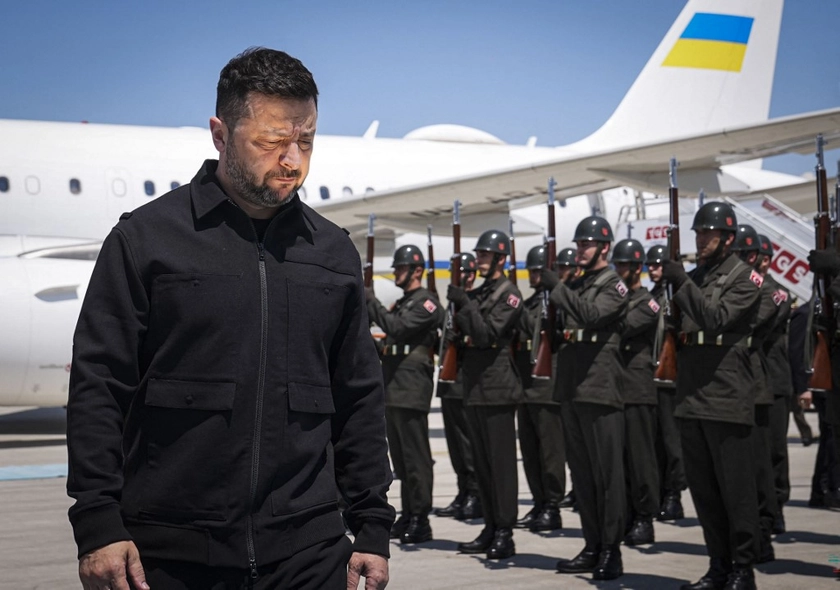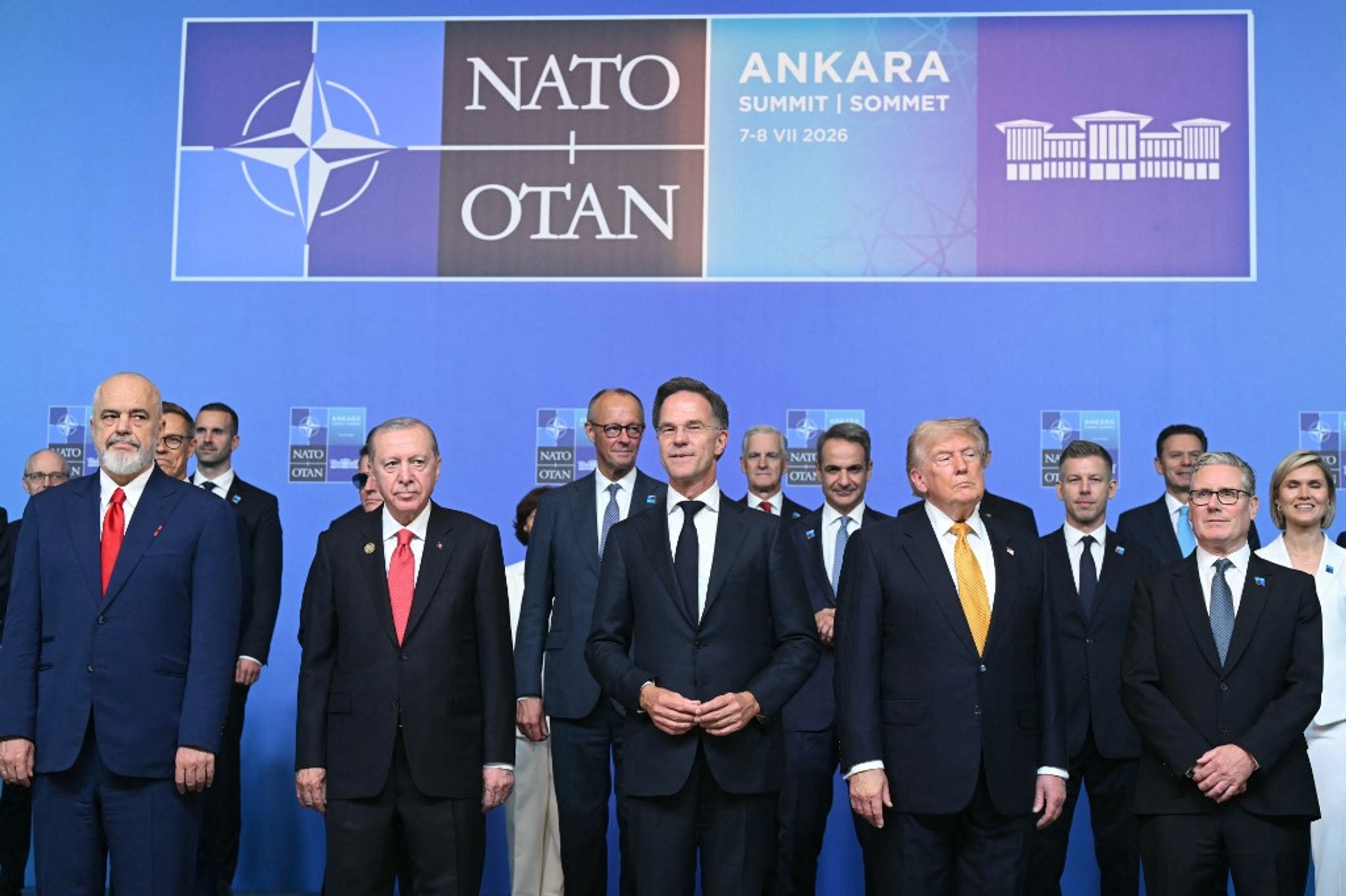
The hysterical reaction from the Kremlin following the conclusion of the NATO summit in Ankara reveals a bitter truth that Moscow is desperate to hide: Russia’s long-term strategy to fracture the Western alliance and bleed Ukraine dry is not working.
Russian Foreign Ministry spokeswoman Maria Zakharova took to the airwaves to denounce NATO’s latest decisions as “irresponsible” and “catastrophic”. For a regime that routinely launches deadly missile strikes on Ukrainian civilian infrastructure and cities like Kyiv, lecturing the world on “responsibility” is peak gaslighting. The real source of Moscow’s panic is not “militarization,” but the calculation that the West has finally committed to a sustainable, multi-year plan for Ukraine.
JOIN US ON TELEGRAM
Follow our coverage of the war on the @Kyivpost_official.
Breaking the cycle of impunity
For years, the Kremlin has banked on a simple premise: Western attention spans are short, domestic political squabbles would derail long-term funding, and Ukraine would eventually run out of ammunition. The Ankara Summit Declaration blew that calculus.
The NATO declaration pledged €70 billion in military equipment, assistance and training for Ukraine in 2026, while allies also committed to sustaining at least equivalent levels in 2027.
NATO also announced more than $50 billion in new procurement and committed to expanding collective manufacturing capacity. The alliance is focusing heavily on deep precision strike capabilities and integrated air defenses.
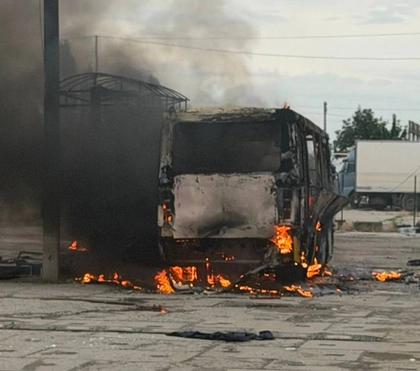
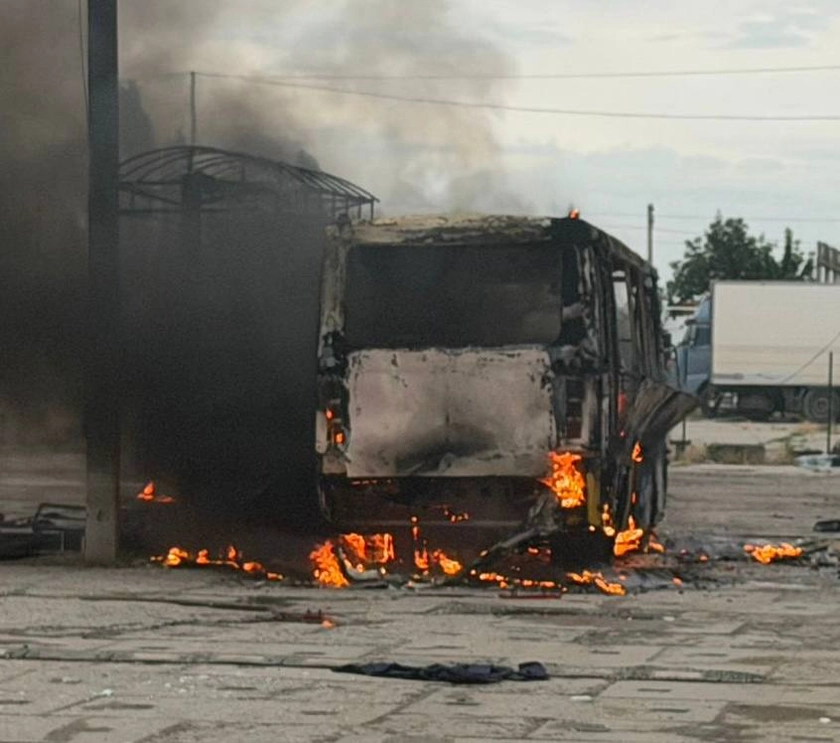
Russian Attack on Odesa Kills 4, Injures 7
This is no longer just a Washington-led effort. European allies and Canada are now financing the majority of bilateral and multilateral security assistance, moving the alliance toward what Secretary General Mark Rutte calls “NATO 3.0”.
That matters because Ukraine’s war is no longer only about the next shipment. It is about whether the democratic world can outproduce, outinnovate and outlast a dictatorship that has converted its economy into a war machine.
The Patriot game-changer
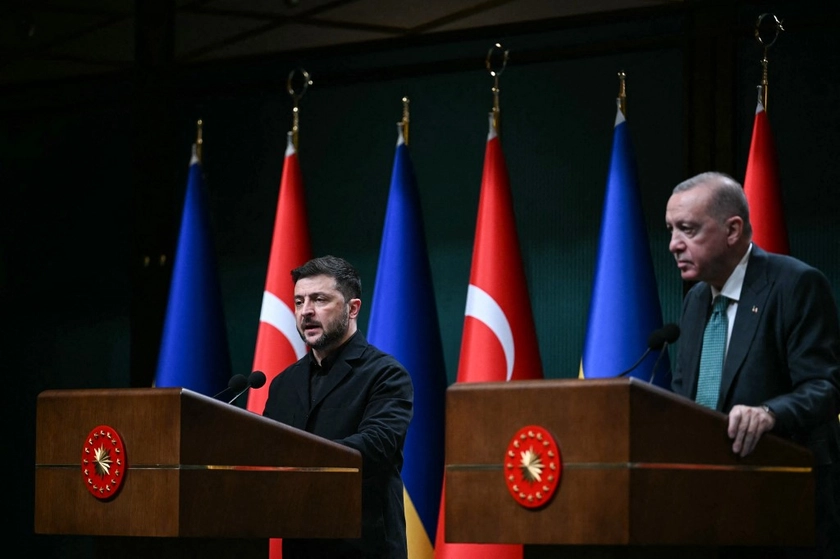
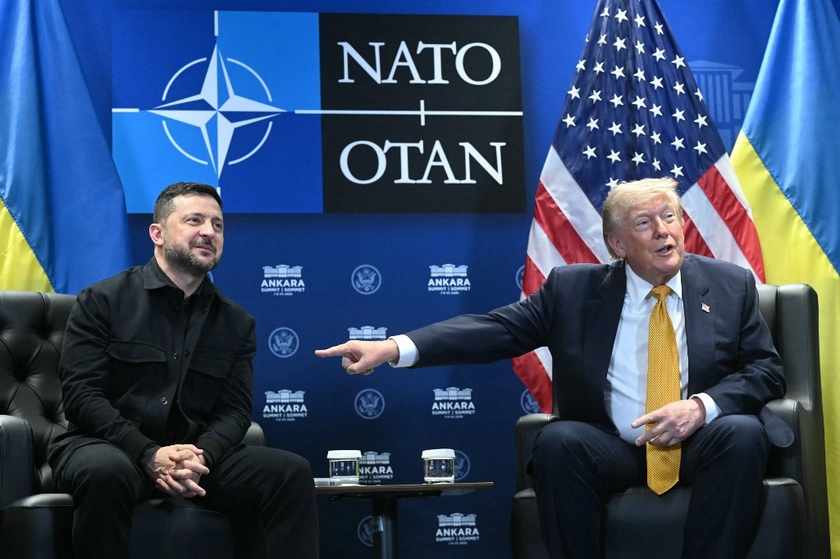
Perhaps the most significant blow to Russia’s operational campaign came directly from US President Donald Trump. In a high-stakes bilateral meeting with President Volodymyr Zelensky on the sidelines of the summit, Trump announced that Washington is granting Kyiv the license to manufacture Patriot air defense batteries and interceptors domestically.
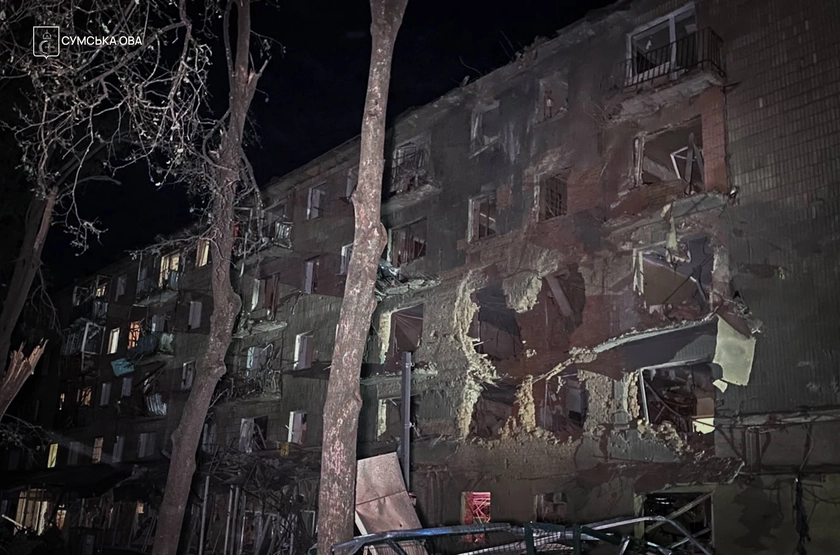
This development changes the structural geometry of the war. Russia has spent the summer exploiting critical shortages in Ukraine’s air defense networks while deliberately targeting civilians, residential areas and critical infrastructure with missiles and drones. Ukraine’s lower interception rate for ballistic attacks has been the result of a bottleneck in imported Western interceptor supplies, leaving cities exposed to repeated strikes.
That is why domestic production matters. If Ukraine can move from waiting for scarce interceptors to producing them under license, NATO is cutting through supply chain delays and creating a fortress of long-term deterrence. Rather than holding an empty bowl, Ukraine is being integrated into the transatlantic defense industrial complex.
The Kremlin spins debate as confrontation
Moscow tried hard to frame NATO’s internal debates as proof of decay. Zakharova pointed eagerly to public disputes regarding Greenland and defense spending targets as evidence that Washington remains structurally disappointed with Europe.
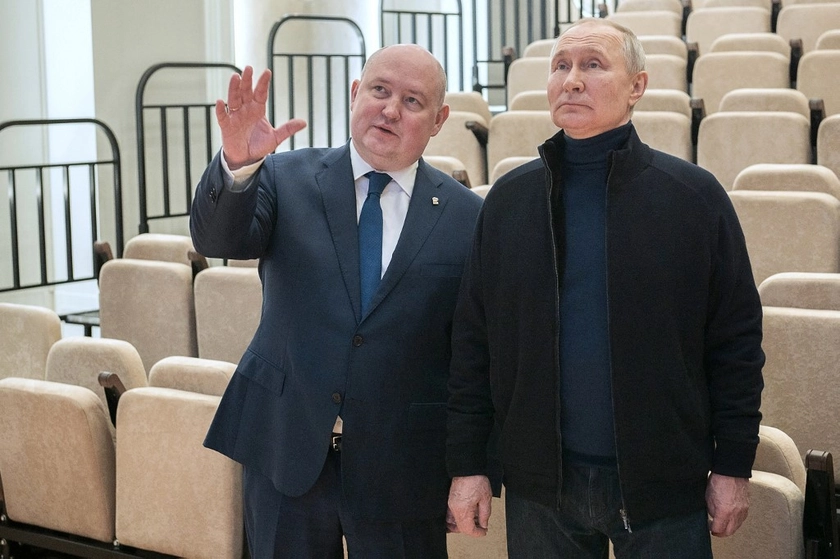
But this is another place where autocracies misunderstand democracies. Rutte’s rebuttal cut to the core of the matter: open debate is not a sign of weakness, but of democratic strength. When a dictator like Vladimir Putin demands consensus, it is enforced through fear and purges. When NATO achieves consensus, it produces hard, ironclad commitments backed by the collective economic power of 32 sovereign nations.
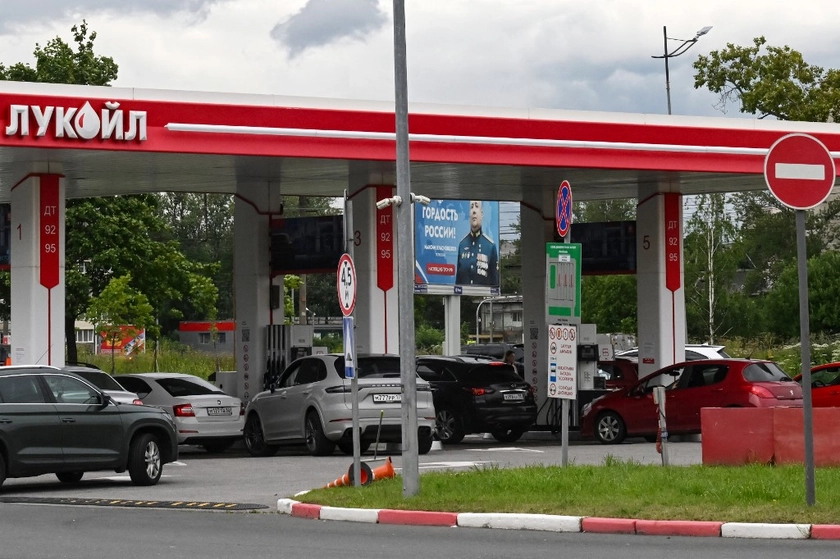
Even as the Kremlin railed against what it called a “confrontation,” Ukrainian drones were striking deep inside Russian territory, hitting major Rosneft-operated oil refineries in Saratov and Tatarstan as fuel shortages across Russia worsened.
Ankara proved the West is funding victory
Putin launched his full-scale invasion under the pretext of stopping NATO expansion and weakening Western resolve. Four years later, he has triggered the exact opposite. European defense budgets are climbing toward unprecedented levels, defense manufacturing is accelerating, and Ukraine is moving toward domestic military-industrial self-sufficiency.
The Ankara summit proved that the West is no longer simply managing a crisis; it is funding a victory. If Moscow truly believes that NATO’s decisions will lead to catastrophe, it has an incredibly simple alternative: pack up its tanks, recall its drones, and leave Ukraine.
You can also highlight the text and press Ctrl + Enter