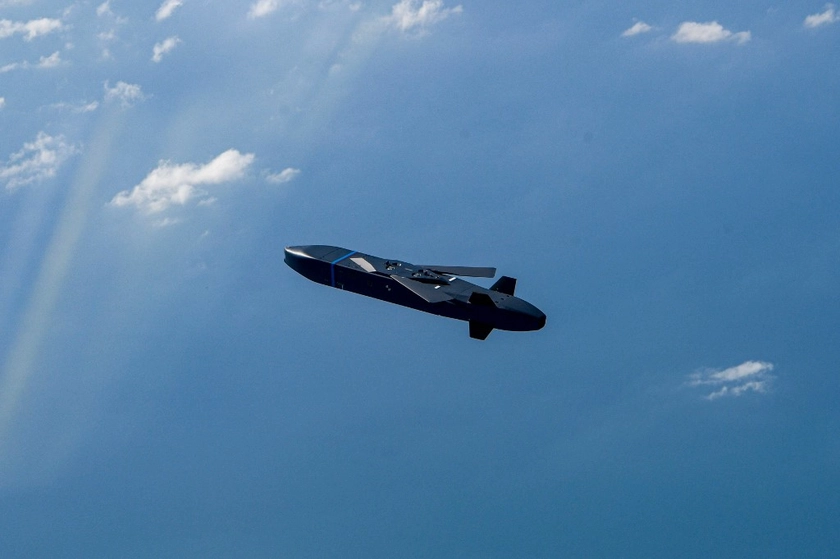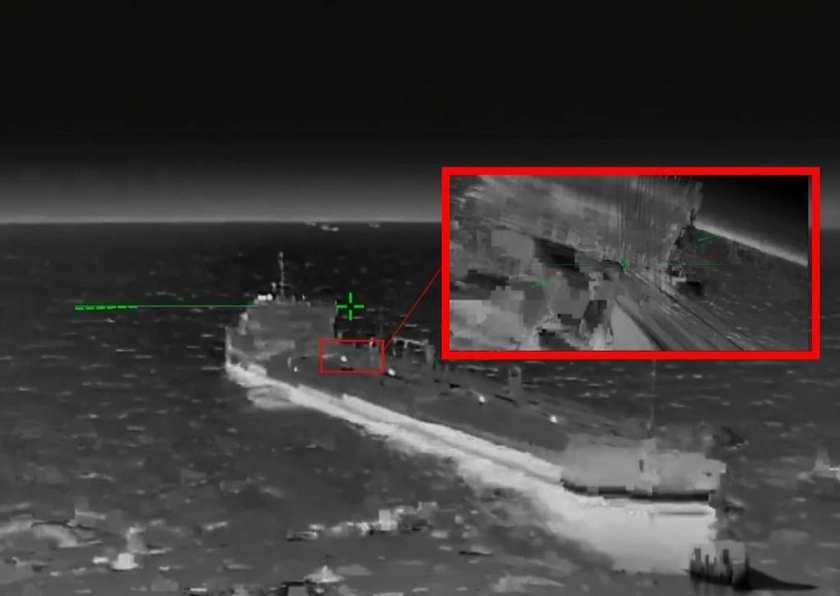
Ukrainian kamikaze drones blacked out the entire Russia-occupied territory of Crimea on Monday in Kyiv’s most ambitious single-night attack against Russian power grid infrastructure of the war so far.
A total loss of electricity service was reported across the Crimean peninsula, a Black Sea territory roughly the size of Wales or Vermont, with a population of 2.5 million and land space of about 27,000 square kilometers (10,000 square miles) in size.
JOIN US ON TELEGRAM
Follow our coverage of the war on the @Kyivpost_official.
Another 3-3.5 million electricity users in Russia-occupied parts of Ukraine’s southern Kherson, Zaporizhzhia and Donetsk regions suffered partial blackouts or limited power following the intense and by some measures unprecedented Ukrainian night strikes targeting power substations and power distribution networks, along with military bases and port infrastructure.
Three targets deep inside the Russian Federation were also hit on the night. The wide-ranging air raids, combining at least eight separate strike packages, killed one civilian in Russia-occupied territory and injured nine, local officials said.
The robot aircraft assaults took place as the Kremlin launched a deadly missile+drone barrage against the Ukrainian capital Kyiv, hitting civilian residences and military infrastructure. According to reports mid-Monday, 12 Ukrainian civilians died in the Russian attacks and more than 40 were injured.
The casualty count was expected to climb because emergency response teams were still sifting through the debris of apartment buildings hit by Russian missiles and more bodies were likely to be found, those reports said.
US Intelligence Helped Ukraine Strike Russian Oil Sites, Kremlin Orders Media Silence
Ukraine’s drone barrage, based on reports, was likely carried out by between 450 and 650 aircraft aiming at targets across Russia-occupied territory in Ukraine and within the Russian Federation. The semi-official Russian news agency Interfax, along with independent Russian news platforms and Ukrainian OSINT groups tracking the regions, all confirmed the fact of the strikes and wide-reaching blackouts afterwards.
A Russian Defense Ministry statement on Monday claimed its forces had shot down 519 drones on the night. Russia’s wartime record claim for Ukrainian drones shot down dates to 660 aircraft reportedly downed on June 25-26.
In the Sunday-to-Monday attacks, about two-thirds of the Ukrainian drones attacked power grid infrastructure in Crimea or in adjacent territories or military-related facilities nearby, Kyiv Post review of eyewitness accounts and news reports concluded.
The Ukrainians’ primary target was a major electricity substation serving the Crimean capital city Simferopol and surrounding regions near a village called Stroganivka. Russian social media and Ukrainian news reports confirmed at least four hits to the 330 KW station and fires still burning there by midday. Ukrainian drones hit the facility previously on June 25.
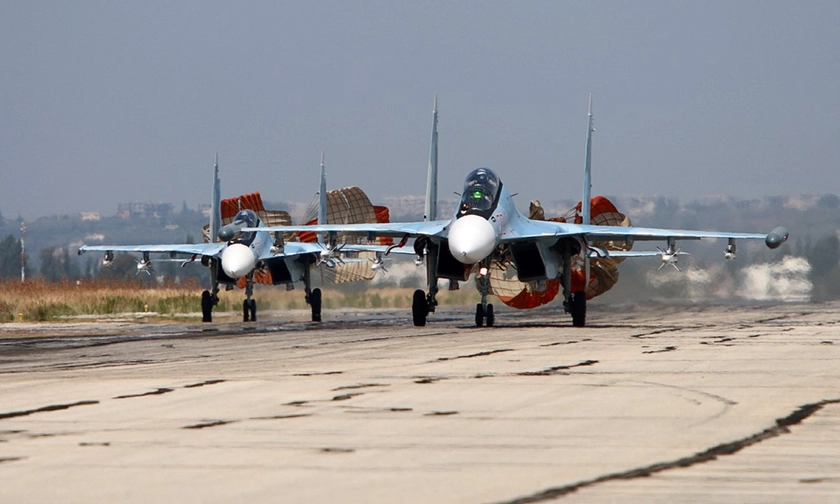
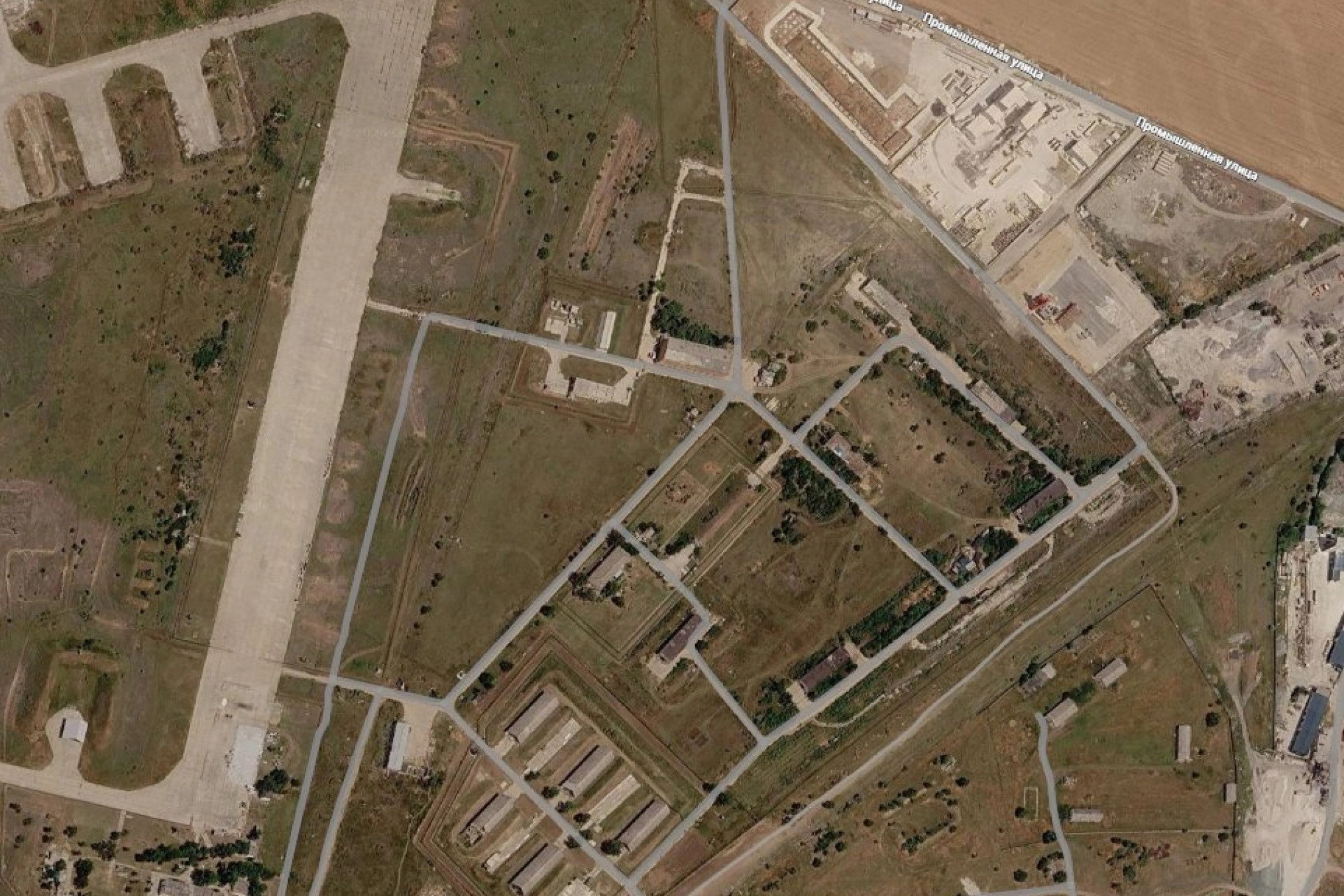
Russia’s Gvardeyskaya air base, a major military aviation facility adjacent to Simferopol, was hit as well. Ukrainian and Russian milbloggers reported that drones attacked air defense systems positioned around the airfield and possible munitions storage sites. Ukrainian strike planners in the past have employed the tactic of sending drones to attack Russian missile and gun air defense emplacements in tandem with strikes targeting energy or military infrastructure. Midday satellite imagery showed two fires burning at the airfield.
In an attack against Gvardeyskaya airfield taking place overnight Friday to Saturday, drones flown by operators from Ukraine’s defense intelligence, HUR (Ukrainian: Головне управління розвідки), one or two kamikaze drones destroyed a Russian MiG-29 fighter as it was being refueled.
A statement from the Ukrainian General Staff said that launch ramps and aircraft storage at the airfield used by Russian forces to fly kamikaze Shahed drones to hit civilian targets in Ukraine, and air defense system, were also hit.
Mikhail Razvozhayev, Kremlin-appointed head of the Crimean naval port city Sevastopol, in a Monday announcement, said that “technological disruptions in high-voltage networks caused by ‘external influences’ [an official Russian euphemism for Ukrainian drone strikes]” had knocked some networks offline and killed a city resident. He said authorities had the situation in hand and promised the lights would be on soon in all city districts.
Sergei Aksenov, Russia-appointed head of Crimea, in a statement, said that the Ukrainian drone strikes had caused “some difficulties” for Crimea residents and visitors, and warned power deliveries would not be back to normal for the time being. The local power company Krymenergo, was responding to customers with a recording stating officials are aware of the electricity outages and that they are working on the problem.
Hotel operators and local officials in the Crimean resort towns of Alushta and Yalta on Monday reported minimal electricity deliveries, forcing rolling blackouts, and new damage to local power lines caused by drones. Ukrainian drones overnight Sunday-Monday carried out at least six major air raids outside Crimea. One hit Kerch port, adjacent to the strategically critical Kerch Strait and the road/rail bridge connecting the occupied Crimea peninsula with the Russian mainland. Krymsky Veter, an Azov region news platform, reported and published images of the Kerch port oil and gas terminal on fire. Overhead imagery showed fires in the vicinity.
Two drone strike packages hit the Azov Sea port of Mariupol on Monday at 1:30 a.m. and 4:30 a.m. Mariupol social media reported drone streams passing overhead at sunrise and heading eastward. Social media video geo-located to Mariupol showed FP-1 drones, a workhorse aircraft employed by Ukraine’s drone forces since 2024, flying at 300-400 meters (984-1,313 feet) above ground level (AGL) and no anti-aircraft fire.
According to early Russian social media reports, the drone stream’s target was in the vicinity of the Russian port of Taganrog. The US worldwide satellite fire monitoring network, FIRMS, on Monday morning showed three major fires covering a collective 2 square kilometers (.8 square miles) of territory burning in a Taganrog industrial district.
In the Azov Sea seaside resort city Berdiansk, between midnight and 1 a.m., a single powerful explosion was reported in the vicinity of the city’s cable factory, a Soviet-era facility in the past according to Ukrainian reports, used by Russian forces as an equipment storage site, combat and logistics vehicle parking lot and command center. FIRMS and local news reports confirmed a major fire on the premises.
Russian officials in occupied southern Ukraine confirmed partial power outages in Berdiansk, Mariupol, and surrounding communities.
Major Robert Brovdi, commander of Ukraine’s Unmanned Systems Forces (USF), in a Sunday statement published on the USF website, said his operators’ top target priority was rendering the power grid infrastructure in “annexed Crimea” and adjacent territories inoperable.
“The Crimean power switch is in the ‘off’ mode. This isn’t about turning off the electricity, but about dismantling the enemy’s military rear services in Crimea: A total collapse of air defenses, logistical and fuel shortages, power hubs and communications are completely offline, and the gradual isolation of the [Russian] military presence on the peninsula,” Brovdi wrote. “[The objective is] the complete exodus of colonizers and collaborators. It’s time for them to pack their bags and head to the train station -- to Russia.”
USF air raids knocked off 12 of the region’s power substations or major power line hubs, in the past 48 hours, he said, and since June 1, USF drones have shut down 37 sites, Brovdi said.
USF video published since June 4 have confirmed most of Brovdi’s claims by geo-location, with about 90% of attacks hitting sites in Crimea and 10% in the Kherson region north of the peninsula. Some images showed kamikaze drones diving in to make two or three attacks on a single, already-burning substation.
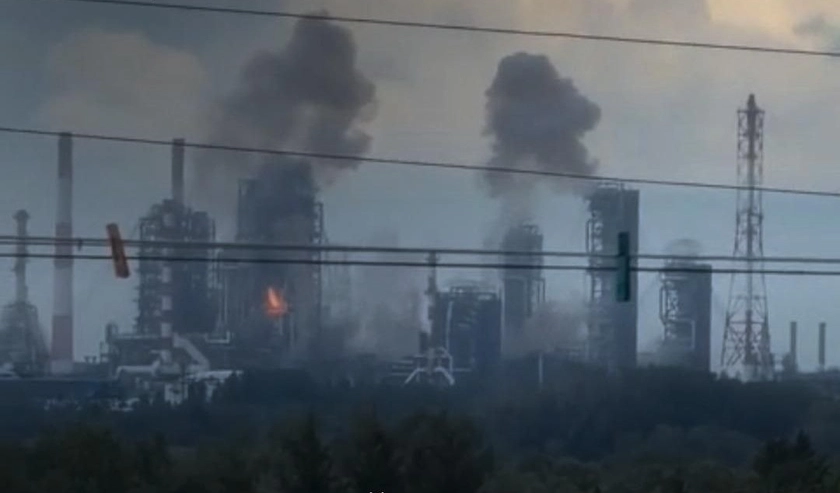
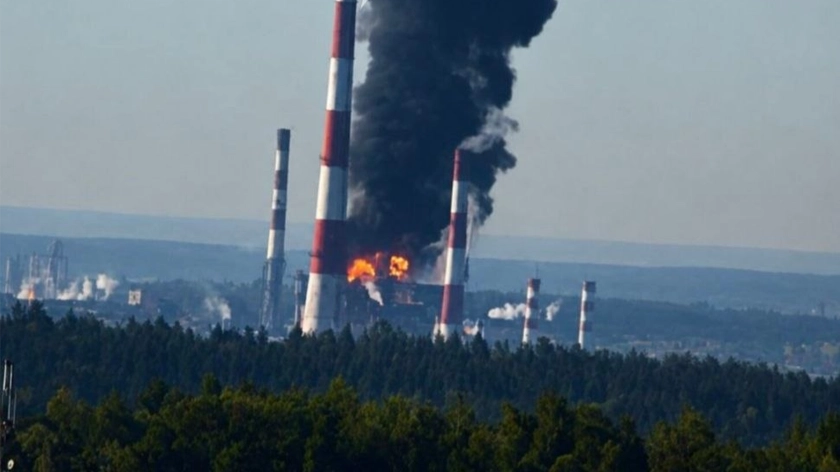
Ukrainian kamikaze drones also hit an oil refinery in the central Russian city of Yaroslavl and the other, the Baltic Sea Ust-Luga oil loading terminal, and the adjacent Vysotsk seaport, both near Russia’s second-biggest city, St. Petersburg.
Yaroslavl is approximately 700 kilometers (435 miles) from Ukraine’s border and Ust-Luga is approximately 900 kilometers (560 miles) from Ukraine’s border. Both sites have been attacked by Ukrainian drone forces repeatedly.
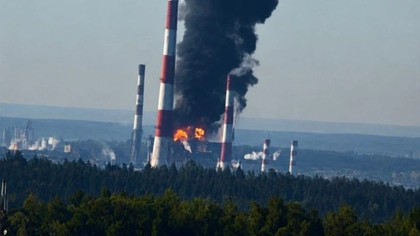
Ust-Luga in March was hit five times over a ten-day stretch. Yaroslavl’s oil refinery or infrastructure support has been hit at least nine times in 2026, Kyiv Post records showed. FIRMS imagery from Monday showed fires covering more than a square kilometer at both locations.
You can also highlight the text and press Ctrl + Enter