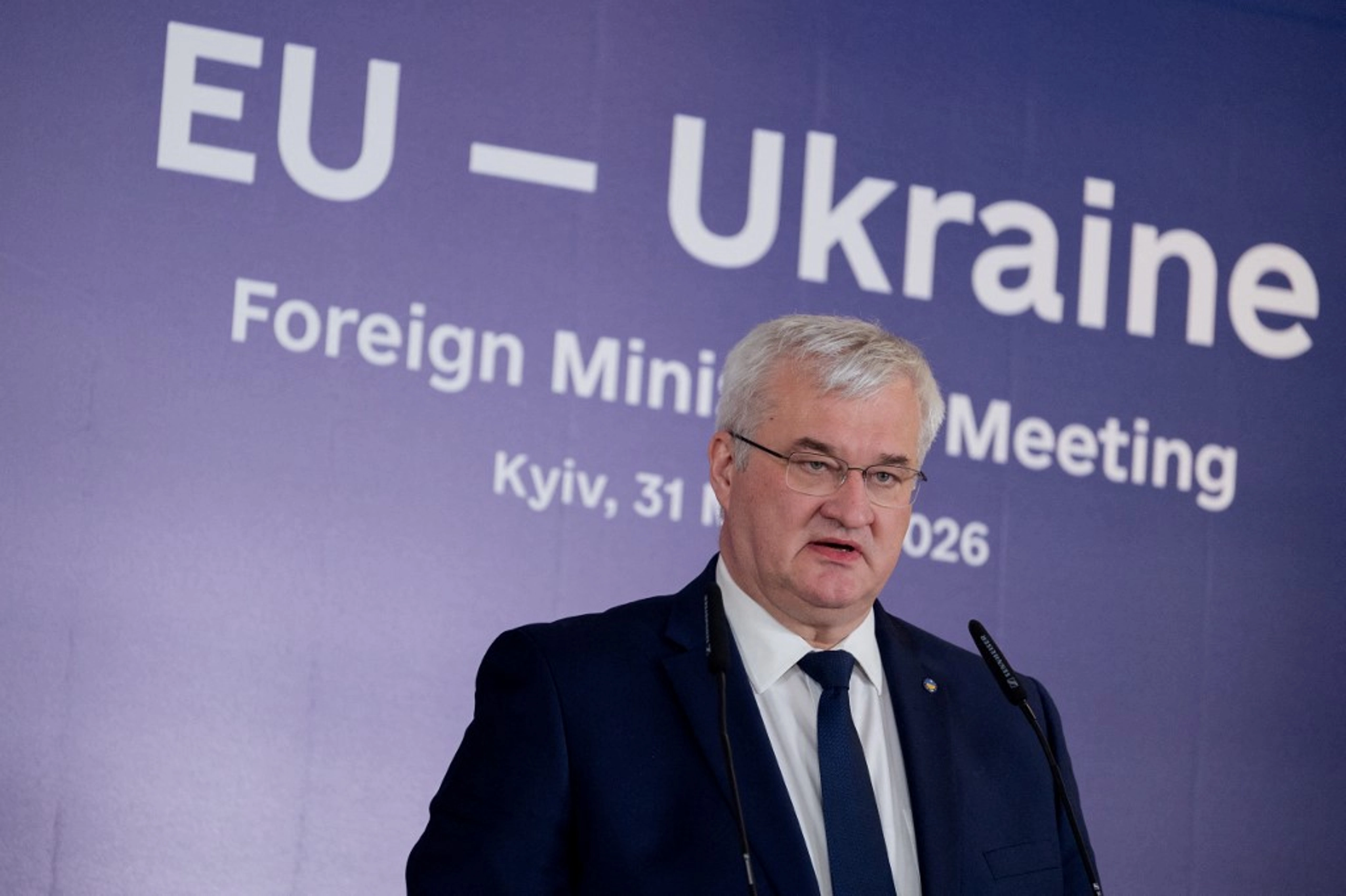
Ukraine opened Cluster 6, “External Relations,” in its EU negotiation talks on Tuesday, July 14.
Ukraine’s Foreign Minister Andrii Sybiha and European Commissioner for Enlargement Marta Kos confirmed the development on social media, matching the timeline previously confirmed by Kyiv Post’s diplomatic sources after Budapest dropped its veto.
JOIN US ON TELEGRAM
Follow our coverage of the war on the @Kyivpost_official.
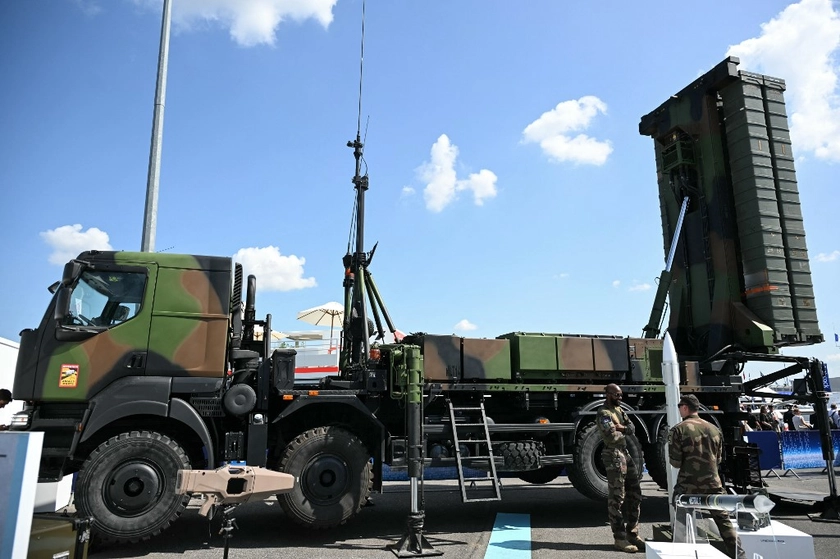
Kos said the cluster covers “security and defense,” an area where Ukraine is “especially strong.”
“On this Super Tuesday for EU enlargement, we opened Cluster 6 with Ukraine, covering security and defense,” Kos wrote on X.
“In these areas, the case for Ukraine’s EU membership is especially strong. With its military experience and innovation capacities, Ukraine is indispensable to Europe’s future security architecture,” she added.
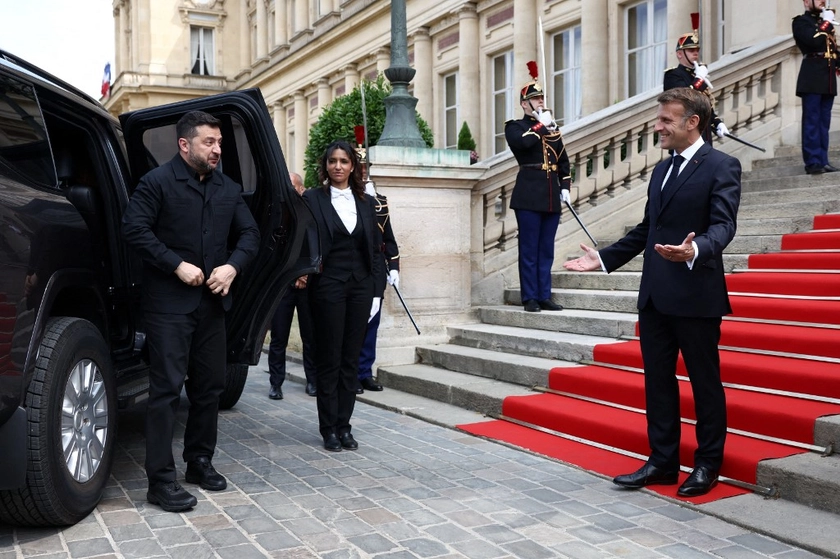
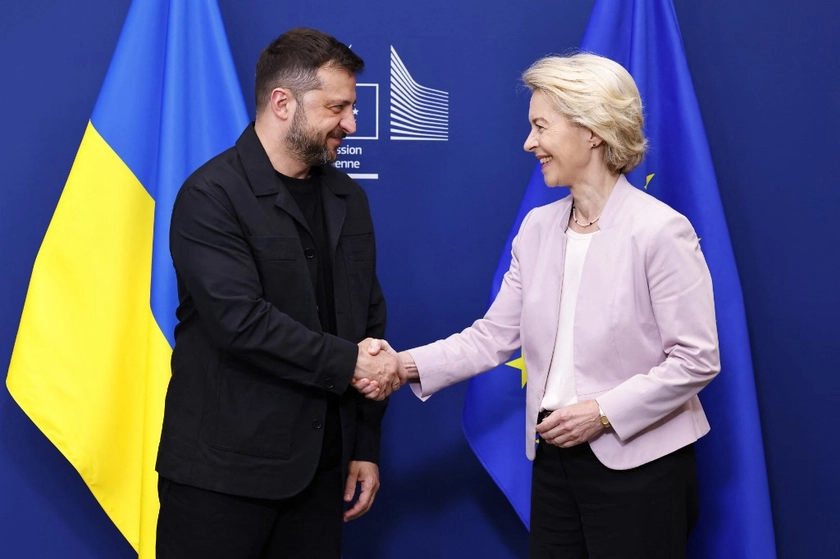
The update came a day after President Volodymyr Zelensky’s visit to Paris to announce Ukraine’s “Freyja” anti-ballistic missile system, a joint development project with Europe, with a 12-month goal of developing an affordable, mass-produced system capable of protecting Ukraine and the wider continent.
Sybiha said Chapter 31 of the cluster – which covers foreign, security and defense policy – falls under the foreign ministry’s responsibility and hailed progress in aligning reforms with the EU.
EU Scrambles to Seal New Russia Sanctions as Deadline Looms
“One of the two chapters within the Sixth Cluster, Chapter 31, is @MFA_Ukraine’s reform responsibility – and I am proud to say that over the past years we have reached a level of 99% alignment of Ukraine’s foreign policy with that of the EU,” Sybiha wrote on X.
“This excellent result gives hope for a speedy progress,” he added.
Sybiha thanked the European Commission, Ireland – which holds the rotating presidency of the EU Council – and other EU states for their support.
What is Cluster 6?
According to an EU press release, the cluster “is a core thematic grouping within the EU’s accession negotiation framework setting the parameters for how candidate countries align their international, trade and defense policies with the EU.”
The cluster covers Chapter 30, external relations, and Chapter 31, foreign, security, and defense policy.
Chapter 30 covers EU trade, humanitarian aid, and development policies. It requires countries to align their laws and policies with EU rules.
Chapter 31 covers EU foreign, security and defense policy, requiring countries to align with EU positions, declarations, sanctions, and restrictions.
What needs to be fulfilled?
Ukrainian outlet European Pravda, citing its own sources, listed action items needed to close the cluster.
For Chapter 30:
- Align legislation with EU Regulation 2021/821 on export controls for dual-use goods, including later amendments.
- Implement EU Regulation 2019/452 on screening foreign direct investments (FDI).
- Comply with EU Regulation 2019/125 on preventing trade in goods that could be used for torture or other inhumane treatment.
- Submit an action plan to the European Commission listing all international agreements and outlining how they will be brought into line with the EU acquis before accession.
For Chapter 31:
- Adopt a national strategy and action plan to combat the smuggling and illegal possession of firearms, ammunition and explosives.
- Define the responsibilities of relevant authorities, implementation steps, timelines and funding.
- Demonstrate “concrete progress” in carrying out the measures.
Any timeline for the remaining clusters?
In June, Taras Kachka, Ukraine’s deputy prime minister for European and Euro-Atlantic integration, said that he expects all negotiation clusters to open by mid-July.
The EU officially opened the first negotiation cluster with Ukraine and Moldova on June 15 as part of the accession process. As of July 14, the remaining four clusters have yet to open.
Kachka added that Ukraine’s internal goal is to complete all benchmarks by 2027 and be ready to conclude an accession treaty.
Both Ukraine and most EU member states agree that accession by 2030 remains achievable with Kyiv continuing its reform program at pace, according to him.
You can also highlight the text and press Ctrl + Enter

OPINION: The Bill for Crimea Comes Due for Putin