In 2022, Ukrainians gathered across European capitals with a desperate, singular demand to the West: “Close the sky.”
For years, that appeal was dismissed as politically impossible, militarily dangerous or technologically unrealistic. Western capitals argued that directly shielding Ukraine’s airspace would trigger uncontrolled escalation.
JOIN US ON TELEGRAM
Follow our coverage of the war on the @Kyivpost_official.
Four years later, Europe is finally arriving at the same conclusion Ukraine reached during the first hours of Russia’s full-scale invasion: the struggle for the sky cannot be won by one country acting alone.
The establishment of the Integrated Anti-Ballistic Missile Coalition in Paris on Monday is therefore a stark recognition that Ukraine’s skies and Europe’s skies share the same security space.
From Pledges to Production: Building the Shield
The true significance of the Paris summit lies in its institutional shift toward creating a concrete, integrated anti-ballistic capability.
Ten founding members – Denmark, France, Germany, Italy, the Netherlands, Norway, Spain, Sweden, Ukraine and the United Kingdom – launched what they described as a purely defensive Anti-Ballistic Missile Coalition.
The initiative aims to combine national expertise, industrial capacity, combat experience and technological development to confront the growing ballistic threat facing the European continent.
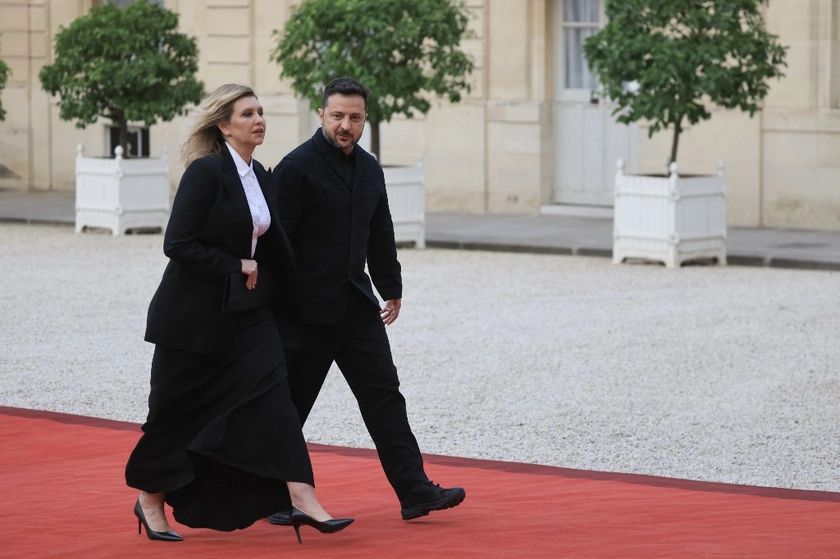
French President Emmanuel Macron made the underlying logic clear: although Ukraine has an immediate and existential need to strengthen its anti-ballistic defenses, the coalition will simultaneously reinforce Europe’s own long-term security.
Russian Anti-War Politician Summoned to Court Ahead of Elections
The immediate priorities are explicit: provide Ukraine with the weapons it urgently lacks, establish licensed production inside the country and pool the industrial and technological capabilities of participating states.
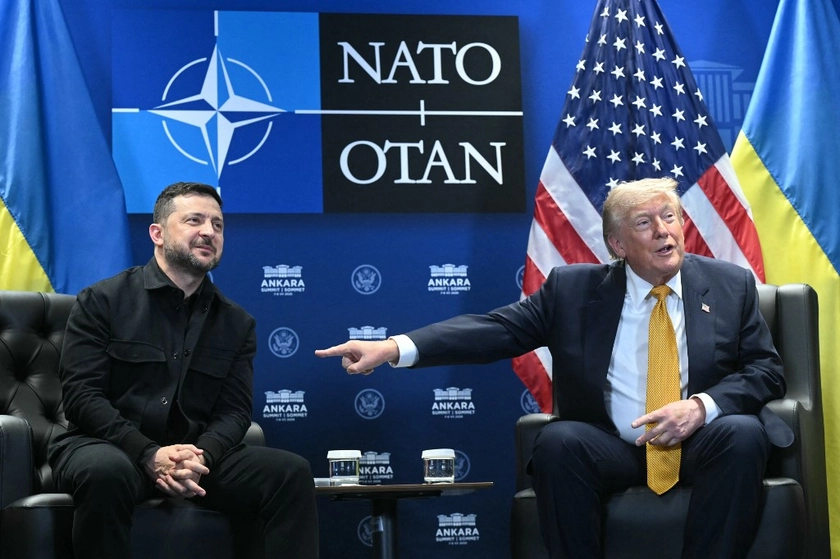
The initiative gained significant momentum following US President Donald Trump’s decision to grant Ukraine licenses to manufacture Patriot interceptor missiles. France followed by announcing that it would authorize the production in Ukraine of ASTER missiles for SAMP/T air-defense systems and SCALP cruise missiles.
These are major diplomatic achievements. But Ukraine does not need a comprehensive anti-ballistic shield in five years – it needs one tomorrow.
No more borders
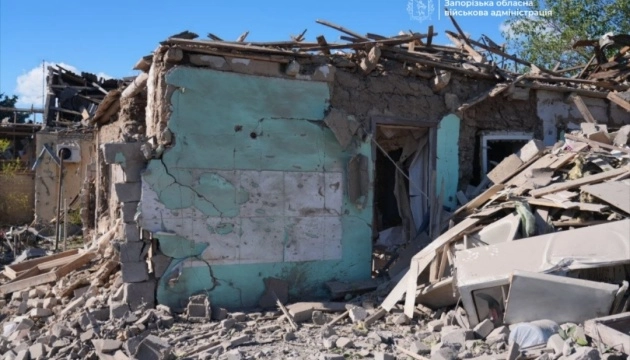
Russia’s war of aggression has shattered traditional front lines. Ballistic missiles can travel hundreds of kilometers in minutes, bringing Russia’s war directly into civilian homes.
The Kremlin deliberately combines these weapons with cruise missiles, low-cost attack drones and radar decoys. These complex, synchronized barrages are designed to exhaust interceptor stockpiles and overwhelm local command centers.
This is precisely why European capitals are starting to understand that Ukraine is where Europe’s future missile-defense architecture is already being stress-tested under real combat conditions. Each Russian barrage yields vital lessons on detection, interception and integrated air defense.
This knowledge is being acquired at an unbearable human cost. Europe is moving to ensure that the lessons learned in blood above Kyiv shape the blueprint for continental defense.
Ukraine as a partner, not a beneficiary
The transformation of European security is already visible.
At the beginning of Russia’s full-scale invasion, European nations spoke almost exclusively about training Ukrainian soldiers.
Today, Europeans increasingly understand that Ukrainians must train them.
Since February 2022, Ukraine has built one of the world’s most agile and innovative defense ecosystems, constantly adapting to rapidly changing Russian tactics.
The coalition’s declaration recognizes Ukraine’s wartime expertise and its future role in continental defense.
This partnership is deepening step by step, despite the continuing obstacles to formal NATO membership.
Under this emerging architecture, information gathered by a radar in one country must be capable of guiding fire-control decisions in another in real time. European surveillance data could give Ukrainian defenders the additional seconds needed to identify a launch, calculate its trajectory and prepare an interception.
Those few seconds can mean the difference between a mid-air interception and a leveled apartment building, school or hospital – in Ukraine or elsewhere in Europe.
You can also highlight the text and press Ctrl + Enter
Trump Says US Will Let Ukraine Build Patriot Systems: ‘We’ll Show Them How to Make Them’
OPINION: The Bill for Crimea Comes Due for Putin