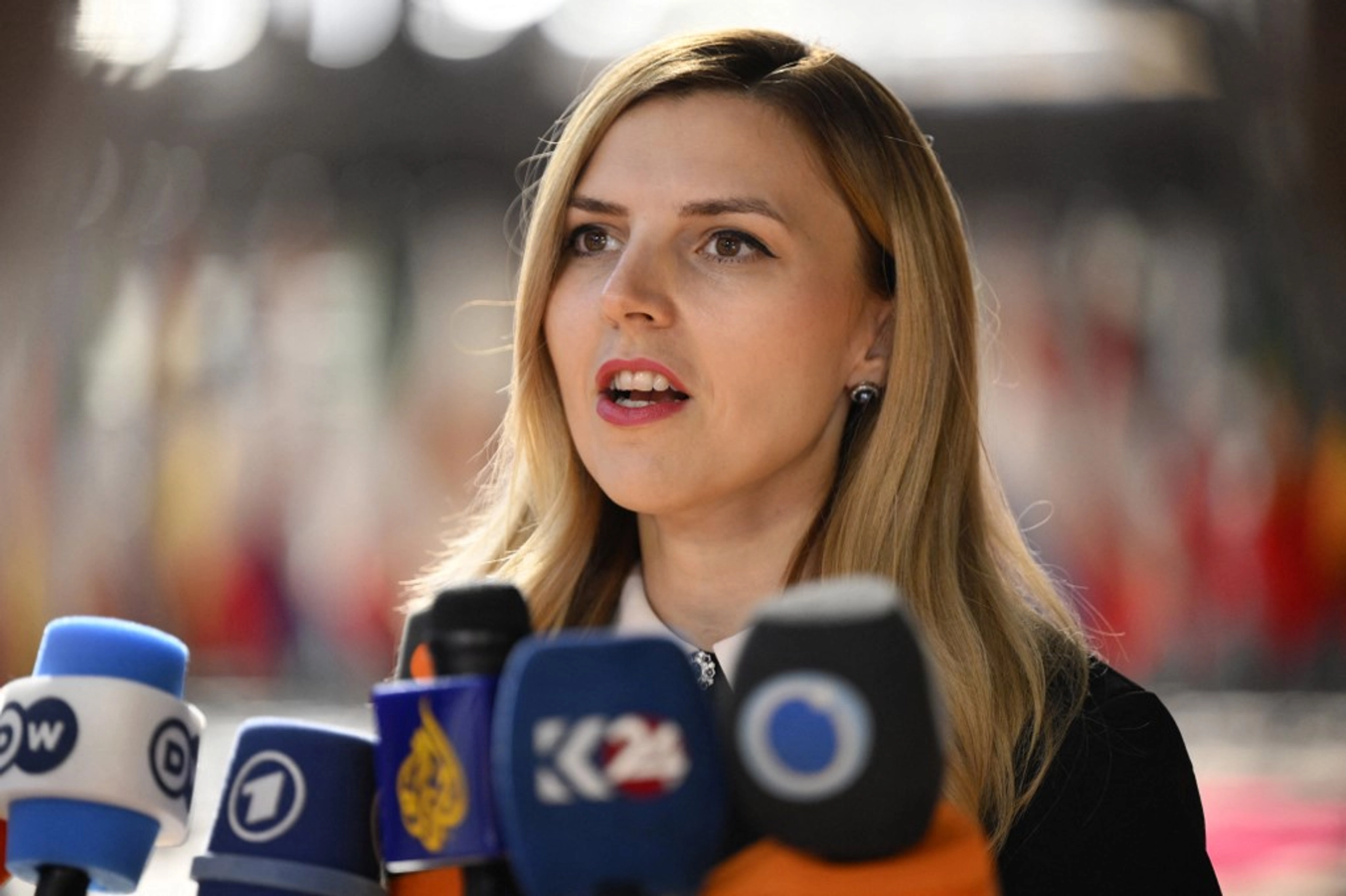
Bulgaria’s newly appointed Foreign Minister Velislava Petrova-Chamova has explained Sofia’s withdrawal from the “Coalition of the Willing,” arguing that diplomatic efforts to end Russia’s war against Ukraine have not yet been fully used.
Speaking during a visit to Kyiv on Wednesday, Petrova-Chamova sought to reassure Ukraine that Bulgaria’s departure from the coalition did not amount to an end to all forms of support.
JOIN US ON TELEGRAM
Follow our coverage of the war on the @Kyivpost_official.
“We are currently at a critical crossroads. There are many ways to support Ukraine,” she told journalists.
According to the foreign minister, Sofia intends to focus on diplomatic engagement and practical assistance, particularly energy security ahead of the coming winter.
Bulgaria occupies a strategically important position along regional energy routes and could help facilitate supplies of natural gas and other resources to Ukraine, Petrova-Chamova noted.
Radev rejects coalition’s military approach
Her remarks came one day after Bulgarian Prime Minister Rumen Radev declared that his country had no place in the “Coalition of the Willing,” a UK- and French-led group coordinating long-term military support and possible post-ceasefire security arrangements for Ukraine.
“I don’t believe Bulgaria’s place is in the Coalition of the Willing,” Radev told Bulgarian television while visiting Paris.
The Bulgarian prime minister argued that continued military and financial assistance would prolong the war and called instead for greater diplomatic efforts to halt the fighting.
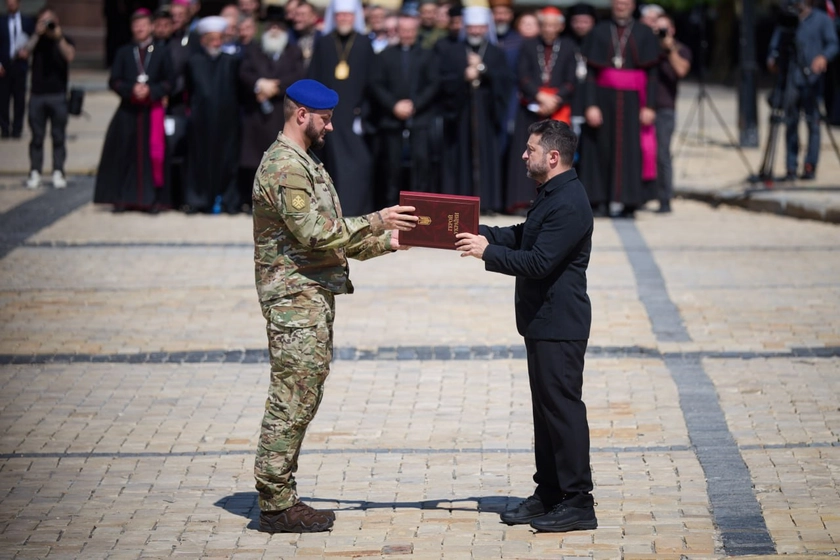
Zelensky Honors Heroes, Medics, Energy Workers on Statehood Day, Awards 10 Young Ukrainian Passports
Bulgaria was not represented at Monday’s coalition summit in Paris, despite Radev receiving a personal invitation from French President Emmanuel Macron. Sofia had previously participated in discussions involving the group.
Radev’s government, which took office in May, has adopted a more skeptical position toward military assistance for Kyiv than previous Bulgarian administrations. Bulgaria has played an important role in supplying Ukraine with Soviet-standard ammunition and other military equipment since Russia launched its full-scale invasion.
Energy cooperation remains on the table
Despite Sofia’s withdrawal from the coalition, Petrova-Chamova maintained that Bulgaria would continue helping Ukraine within its available capabilities.
Energy is expected to remain one of the principal areas of cooperation. Ukraine and Bulgaria have discussed expanding regional gas connections and developing alternative supply routes, including access to liquefied natural gas.
President Volodymyr Zelensky and Radev agreed earlier in July to pursue concrete steps toward deeper energy cooperation, according to the Ukrainian presidency.
Petrova-Chamova also reiterated Bulgaria’s general support for European Union sanctions against Russia, while arguing that restrictions should inflict genuine damage on the Russian economy rather than disproportionately burden EU member states.
The position comes amid disagreements over the EU’s proposed 21st sanctions package. Sofia successfully opposed adding Patriarch Kirill, head of the Russian Orthodox Church and a vocal supporter of Russia’s invasion, to the bloc’s sanctions list.
Bulgaria has nevertheless indicated that it will not obstruct Ukraine’s accession negotiations with the European Union.
“Bulgaria will continue to support Ukraine within the limits of our current capabilities and potential,” Petrova-Chamova concluded.
You can also highlight the text and press Ctrl + Enter

Trump Says US Will Let Ukraine Build Patriot Systems: ‘We’ll Show Them How to Make Them’
OPINION: The Bill for Crimea Comes Due for Putin