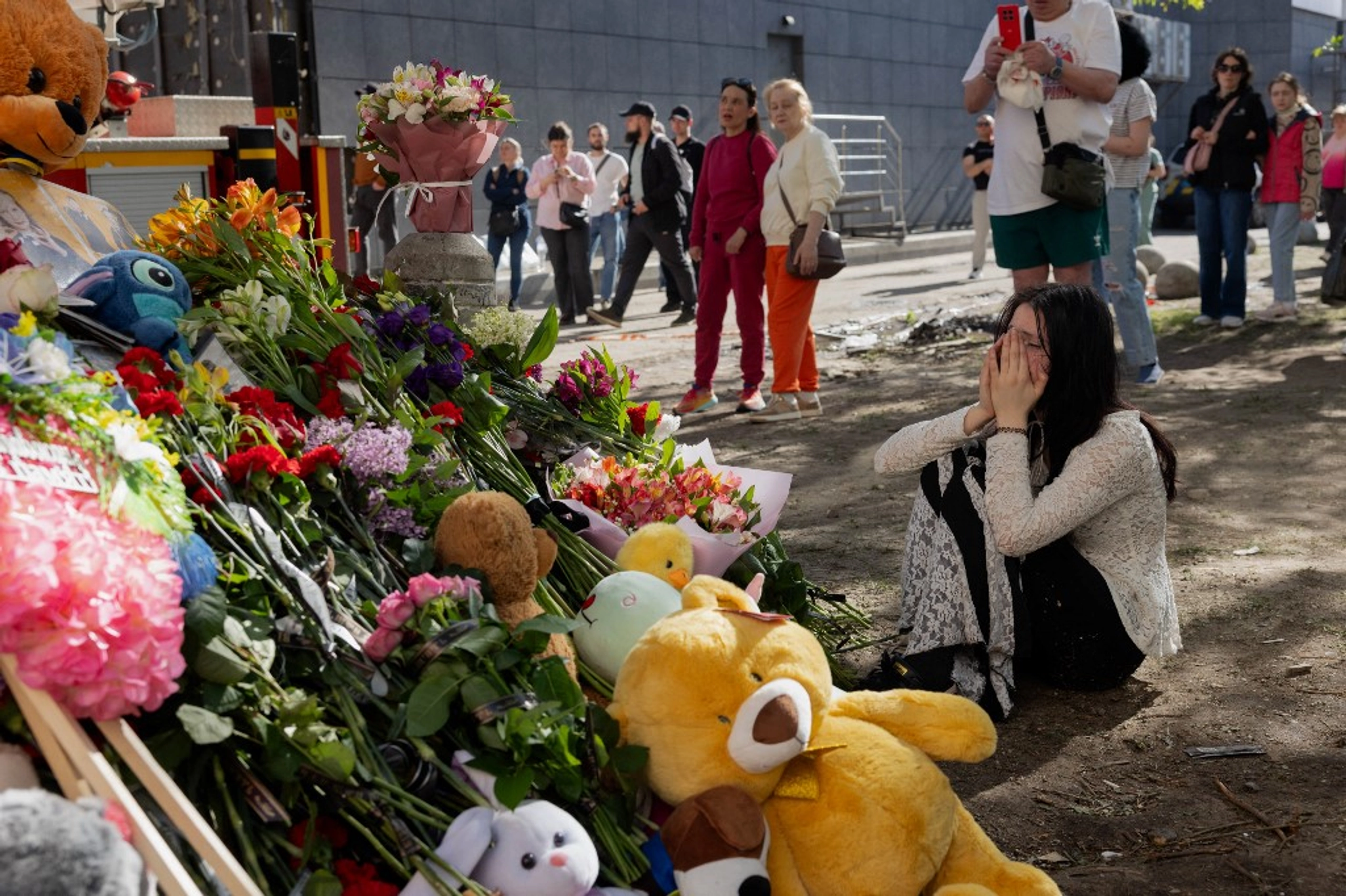
At least 293 civilians were killed, and 1,990 were injured across Ukraine in June 2026, marking it the highest monthly civilian casualty toll recorded since the early phases of Russia’s full-scale invasion of Ukraine in April 2022.
The figures came from the Human Rights Monitoring Mission in Ukraine’s (HRMMU) latest “Protection of Civilians in Armed Conflict” report, which tracks casualties and infrastructure damage across the country each month. According to the mission, June’s death toll marked a 10% increase compared to May, when 282 civilians were killed and 1,794 injured, and a 37% rise compared with June 2025, when 249 were killed and 1,416 injured.
JOIN US ON TELEGRAM
Follow our coverage of the war on the @Kyivpost_official.
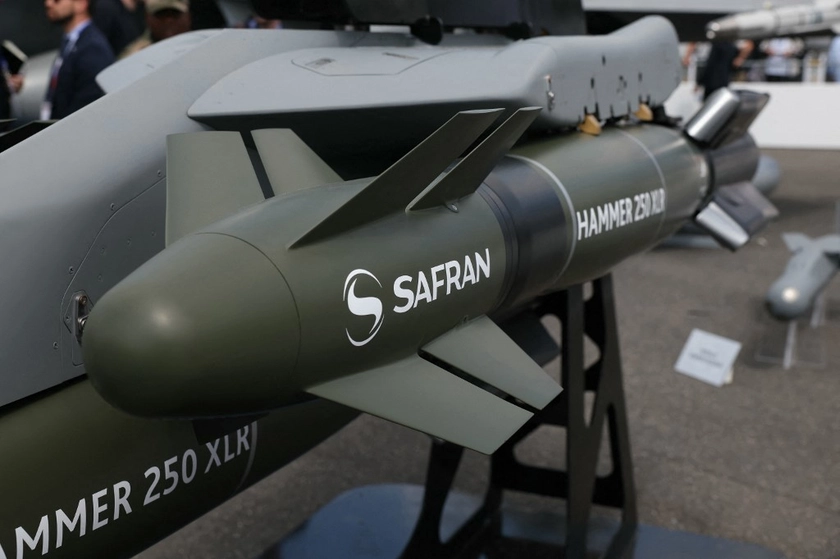
“In June, long-range weapons [powerful missiles with area-wide effects and drones] remained the leading cause of civilian casualties, accounting for 45% of the total,” the statement reads, adding that “most casualties from these weapons occurred far from the frontline in urban centres such as Kyiv and Dnipro.”
Casualties nearly double 2024 levels – most deaths in government-held territory
The monthly rise fits a broader pattern that has defined the first half of 2026.
Over the first six months of the year, civilian casualties reached 1,396 killed and 7,978 injured, according to the mission. That figure is 37% higher than the same period in 2025, when 1,122 people were killed and 5,734 injured, and 114% higher than in 2024, when 940 were killed and 3,442 injured.
The consistency of the increased civilian death toll suggests the escalation is not an isolated spike but a progressive shift in the intensity and reach of attacks on populated areas and civilian infrastructure, such as residential buildings and schools.

Russia Accused of Spreading Disinfo for German Far Right Ahead of Polls
The vast majority of June’s civilian casualties occurred in territory controlled by Ukraine, compared with just 57 in Russian-occupied areas, according to HRMMU’s report. Civilians were killed or injured across 13 regions of Ukraine and the city of Kyiv.
Frontline regions continue to bear the brunt of strikes
According to HRMMU, Zaporizhzhia had 23 people killed and 229 injured in June, while Kherson saw 18 killed and 236 injured, and Dnipro reported 25 killed and 77 injured. These figures placed the three regions well above the rest of the country, reflecting their sustained exposure to shelling, drone strikes and aerial bombardment near the contact line.
The Dnipropetrovsk region has faced near-daily barrage, with the latest one recorded on Tuesday, July 14, when Russian forces struck five districts of the region nearly 50 times in a single day, injuring eight people. The ongoing pattern of strikes on civilians prompted Dnipropetrovsk Regional Governor Oleksandr Hanzha to convene a Defense Council addressing evacuation security and anti-drone defenses after more than 40 strikes hit the region since July 8, including a first-person-view (FPV) drone attack that killed three civilians in Nikopol.
Other regions saw continued casualties as well. Overnight on Wednesday, July 15 Russian forces launched two missiles and 122 drones across Ukraine, killing four civilians – including three in Odesa – and damaging homes, infrastructure and a gas station, despite Ukrainian air defenses intercepting 101 of the drones.
Kyiv strikes surging
Zaporizhzhia, Kherson and Dnipro recorded the highest casualty figures in June, underscoring that frontline regions continue to bear the brunt of attacks. However, Kyiv, once considered farther removed from near-daily bombardment, has seen a sharp rise in strikes in recent weeks.
In June, Kyiv recorded 11 killed and 112 injured – a toll that has climbed further into July as Russia increased its strikes on the capital.
At the beginning of July, Russian armed forces attacked Kyiv and the surrounding region with a large-scale ballistic missile, killing at least 27 people and injuring 100 more. Many citizens were trapped under rubble across more than 20 impact sites, as apartment buildings suffered direct hits. On Tuesday, July 14, Russia launched a separate ballistic missile attack on Kyiv that struck warehouse facilities in the Holosiivskyi district and ignited vehicles in Darnytskyi as air defenses engaged over the capital.
Around the same time, Russia launched a large combined air attack overnight, firing 681 aerial weapons at Ukraine, killing at least 10 people. The armed forces conducted strikes on Kyiv-Pechersk Lavra as well, damaging five heritage sites and nearly causing catastrophic destruction to one of Ukraine’s most important cultural landmarks.
According to Ukrainian officials, more than 1,700 cultural heritage and cultural infrastructure sites across Ukraine have been damaged or destroyed since the beginning of the war. Many authorities described such attacks on cultural and historical sites as deliberate attempts at erasing Ukrainian identity and heritage, arguing that attacks on landmarks go beyond military objectives.
Energy infrastructure targeted on both sides of the front
Throughout June, HRMMU reported continued Russian attacks on Ukraine’s energy infrastructure, sustaining a campaign that has repeatedly disrupted power, heating and water services for civilians.
Simultaneously, HRMMU also documented a sharp increase in strikes by the Armed Forces of Ukraine (AFU) against power generation, distribution and transmission facilities in Russian-occupied Crimea, with at least 12 such attacks triggering emergency or scheduled outages.
The attacks have also triggered an oil crisis in Russia, with Ukraine’s Security Service (SBU) reporting that its long-range drones successfully struck Russian oil infrastructure, military sites, and a sanctioned oil tanker over the past week as part of a 40-day campaign.
UN reported a 40% surge in Ukrainian civilian casualties from Russian attacks
At least 1,270 civilians were killed and more than 6,850 people were injured between December 2025 and May 2026, marking a 40% increase compared with the previous year, according to UN High Commissioner for Human Rights Volker Türk.
He attributed the 96% of the recorded casualties that occurred in Ukrainian government-controlled territory to Russia’s expanded use of long-range weapons, similar to HRMMU’s report.
Türk also noted that drones have struck clearly marked humanitarian vehicles and facilities, while civilians remain trapped in occupied parts of Kherson by drone attacks and landmines. Civilians trapped in occupied Oleshky face the same situation, having been cut off from food, water and medicine supplies for over a month, as the humanitarian situation rapidly deteriorates.
You can also highlight the text and press Ctrl + Enter

OPINION: The Bill for Crimea Comes Due for Putin