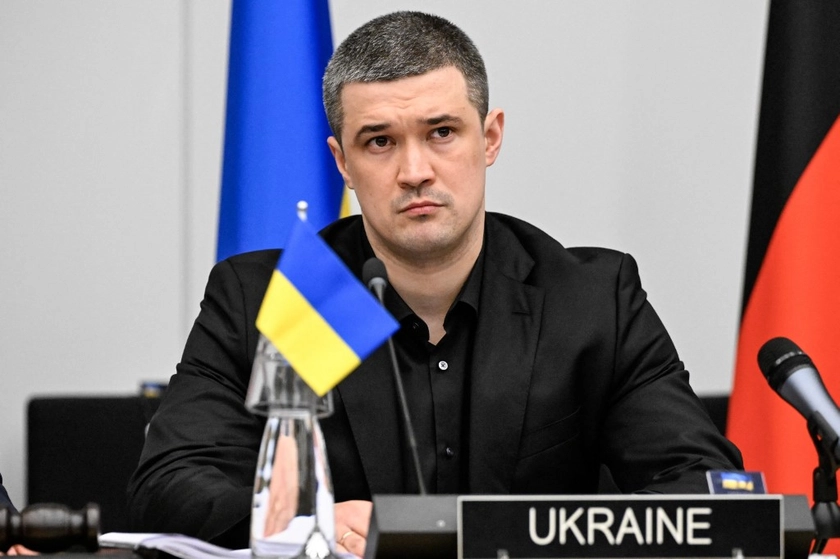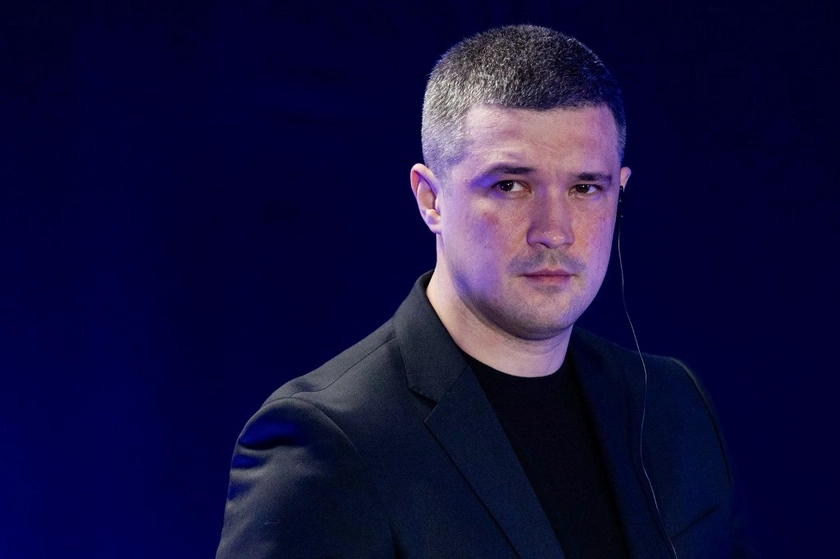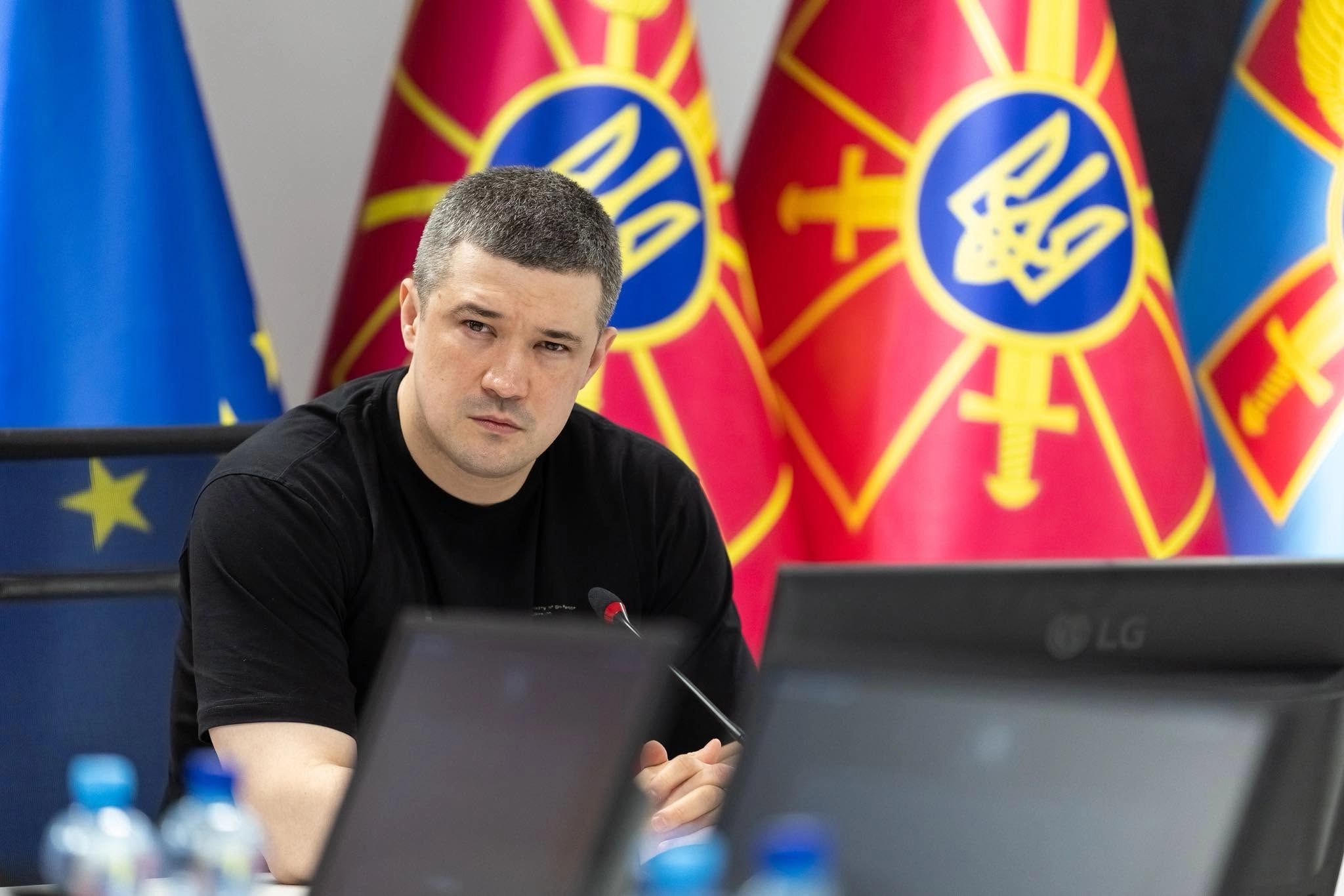
Outgoing Defense Minister Mykhailo Fedorov said sweeping procurement reforms at the Defense Ministry disrupted entrenched interests, eliminated inflated contracts, and saved Ukraine hundreds of millions of dollars, after being asked whether corrupt officials or companies played a role in his expected dismissal.
Speaking during an emergency briefing in Kyiv on Thursday, July 16, Fedorov denied directly accusing any individual of orchestrating his removal but outlined what he described as a systemic effort to overhaul military procurement.
JOIN US ON TELEGRAM
Follow our coverage of the war on the @Kyivpost_official.
According to Fedorov, one of his first reforms replaced a system in which the General Staff determined which companies would receive contracts with a data-driven model prioritizing the highest-performing manufacturers.
“Previously, the General Staff prepared a list of companies and products that had to be purchased. We decided procurement should focus on the top 10 highest-quality companies in each category,” he said.
Under the new system, about 80% of drone purchases are made from top-performing manufacturers, while the remaining 20% are procured through competitive tenders.
Fedorov said the ministry also expanded open procurement auctions, producing significant savings.
He cited a tender for 155mm artillery shells, where one supplier that initially opposed the competitive process ultimately lowered its price by $1,000 per shell, saving the state more than $100 million.
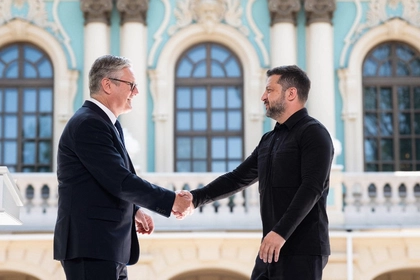
UK to Provide £300M for Ukraine in Joint Initiative With Sweden
Another tender involving 160,000 medium-range strike drones attracted 59 companies, with expected savings of 20-30%.
“If the procurement budget exceeds Hr.20 billion ($449 million), saving 20% means billions of hryvnias that can be invested elsewhere,” he said.
Fedorov said the ministry also terminated numerous direct contracts between Ukrainian companies and foreign suppliers that had been signed before he took office, arguing that procurement decisions should be based on battlefield needs rather than existing commercial arrangements.
He acknowledged that the reforms disrupted some companies’ business models but insisted they were necessary.
“We acted harshly as a state by breaking some companies’ business strategies. But how can I justify buying shells we already have in surplus when we have shortages of other types of ammunition?” he said.
He also alleged that corruption within the Defense Ministry ran far deeper than isolated contracts.
According to Fedorov, several department heads had effectively been appointed by private companies and maintained close ties with law enforcement officials.
“There were department heads who would not attend Defense Ministry meetings without representatives of certain law enforcement agencies. We started dismissing them one by one,” he said.
He also described one case in which the ministry rejected a proposed direct contract after Ukraine’s Bureau of Economic Security (BEB) warned that the supplier had inflated prices by 200-300%.
After the company was removed from consideration, Fedorov said confidential details from an internal meeting leaked to the market. The ministry subsequently conducted polygraph examinations to identify those responsible.
“These are just some of the stories showing how we began changing the entire procurement architecture,” he said. “The goal was to save the budget so Ukraine could continue fighting and spend money where it is truly needed.”
You can also highlight the text and press Ctrl + Enter