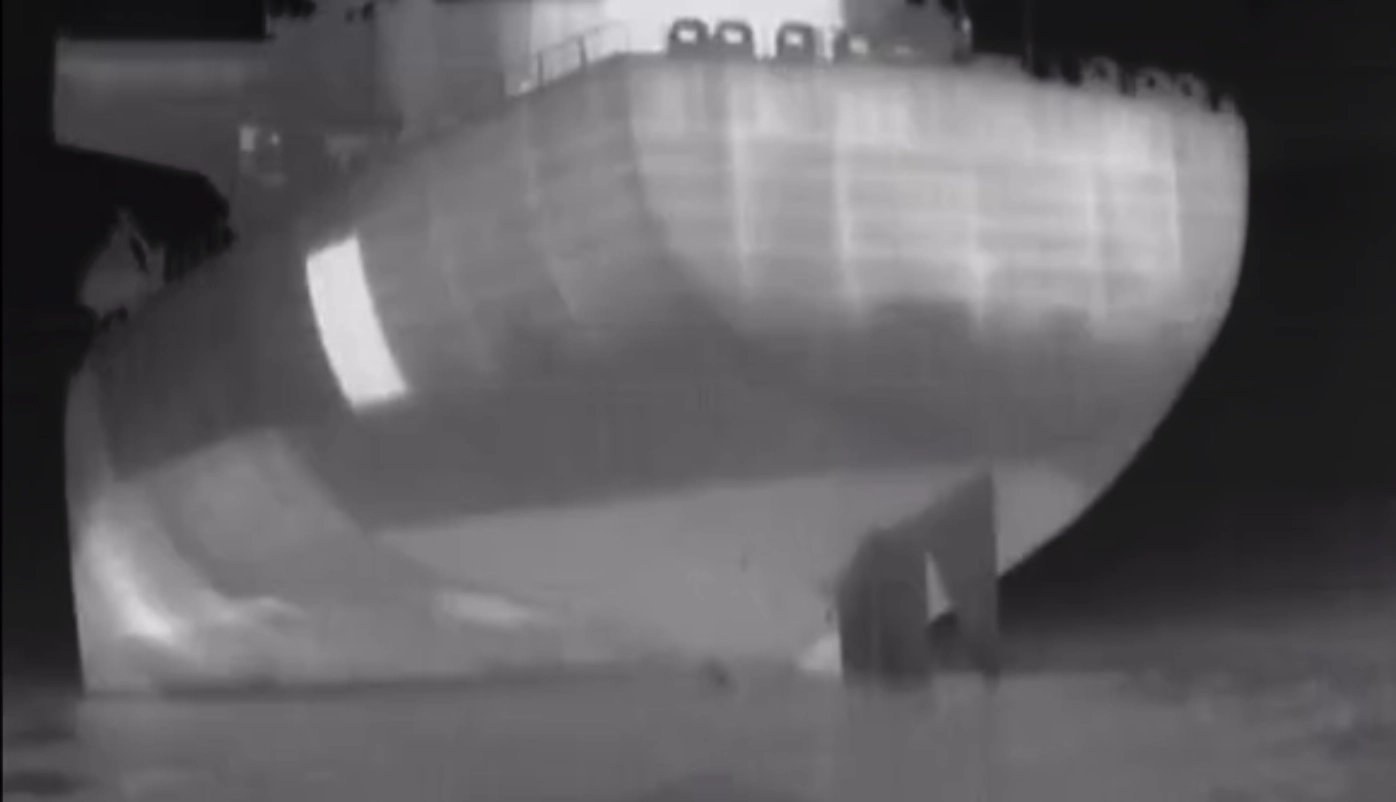
Ukraine’s Unmanned Systems Forces (USF) have struck 159 vessels linked to Russia’s so-called shadow fleet in just 12 days, including 12 vessels hit overnight, according to USF Commander Robert “Madyar” Brovdi.
In a post on Telegram on Thursday, Brovdi said the campaign, dubbed Operation “Molochka” (Dairy), continues to target Russian maritime logistics used to transport oil, fuel, and cargo in circumvention of international sanctions.
JOIN US ON TELEGRAM
Follow our coverage of the war on the @Kyivpost_official.
“FLEETDROP continues: 159 vessels in 12 days of Operation ‘MoLoChKa.’ +12 shadow fleet vessels hit by USF Birds in the Black Sea on July 17: nine dry cargo ships, one tanker, one gas carrier, and one tugboat,” Brovdi wrote.
According to him, Ukrainian forces struck 159 vessels between July 6 and July 17, including 117 in the Sea of Azov and 42 in the Black Sea.
He said the operation aims to cripple Russia’s maritime logistics without causing environmental disasters.
“The goal is the irreversible paralysis of oil, fuel, and cargo logistics used to bypass sanctions. We want every self-propelled vessel to become a drifting barge – blind and deaf. The objective is not to pollute the sea with oil spills, so we are not sinking them,” he wrote.
Brovdi added that evidence of the reported strikes would be released later.
Earlier, USF commander said the operation is designed to cripple Russia’s feeder fleet – small and medium-sized flat-bottomed tankers, typically about 140 meters (460 feet) long with a deadweight of around 7,000 tons.

A ‘Gift’ to Moscow: Russian War Bloggers Cheer Dismissal of Ukraine’s Tech Chief
According to him, these vessels are a critical part of Russia’s so-called shadow fleet, transporting oil through the Volga-Don Canal and the Sea of Azov from Russian ports to larger tankers waiting in the Black Sea.
Because deep-draft tankers cannot enter the shallow ports, oil must first be transferred offshore by feeder vessels. Brovdi said a single large tanker is typically loaded by 12 to 15 feeder tankers.
“The burning of these wormy (Russian) camel tankers – and the tugboats that stubbornly tow them after they are damaged – also limits deliveries of scarce gasoline to Crimea through the narrow, shallow waters of the Sea of Azov,” he wrote.
Kyiv has defended the campaign, arguing that Russia’s shadow fleet finances the Kremlin’s war effort and therefore constitutes a legitimate military target.
In a letter to the International Maritime Organization (IMO), Deputy Prime Minister Oleksiy Kuleba rejected Moscow’s claims that Ukraine was carrying out “terrorist” attacks on commercial shipping. He argued that the shadow fleet is essential to sustaining Russia’s war by generating oil export revenues and accused Russia of attacking 59 merchant vessels since launching its full-scale invasion, in violation of international humanitarian law and maritime safety regulations.
The letter comes as European countries intensify efforts to crack down on Russia’s estimated 1,500-vessel shadow fleet, which is used to circumvent Western sanctions.
Russian Foreign Minister Sergey Lavrov condemned Ukraine’s attacks on Russian shipping during a joint press conference with Chadian Foreign Minister Abdoulaye Sabre Fadoul on July 14.
“What the Ukrainian regime is doing isn’t even piracy. Pirates at least steal for themselves. Here, they neither take anything for themselves nor let others have it – they simply want to inflict damage and spread fear. It’s pure terrorism,” Lavrov said.
Brovdi dismissed the accusation with a brief response on Telegram:
“No piracy, Lavrov, just business. Yours, bloody.”
You can also highlight the text and press Ctrl + Enter

OPINION: The Bill for Crimea Comes Due for Putin
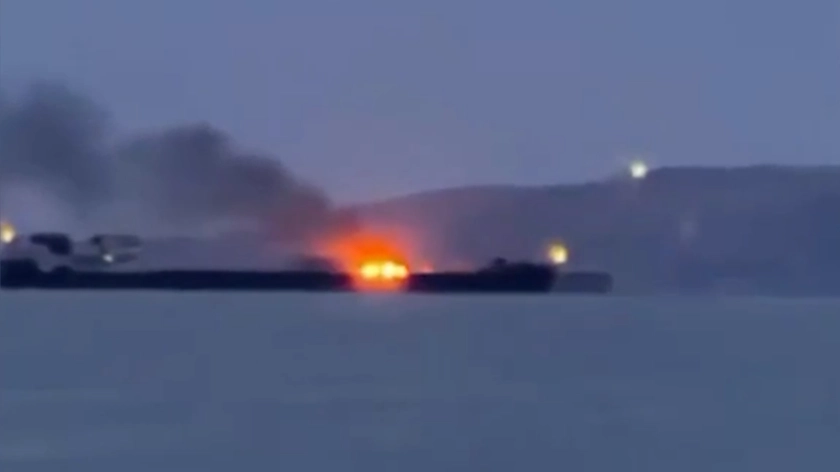
‘Shadow Fleet Is Leaving the Chat’: Ukraine Hits 10 Russian Fuel Tankers in One Day

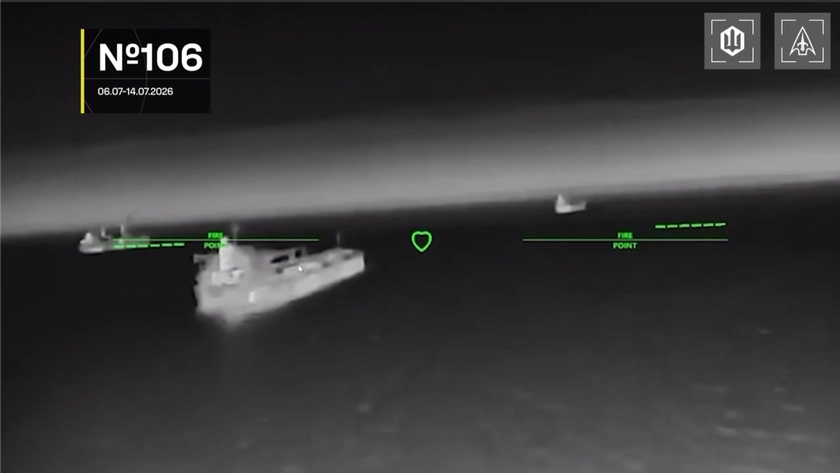
Ukraine Says It Struck 105 Russian Shadow Fleet Vessels in 8 Days, 15 Overnight
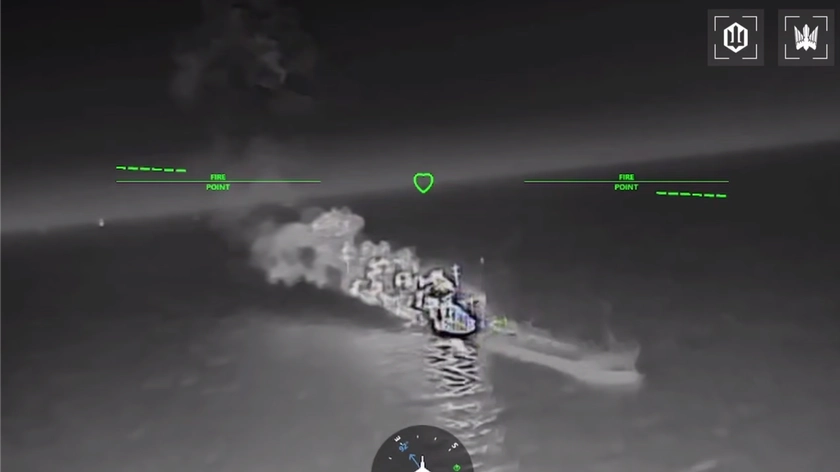
‘Shadow Fleet Is Leaving the Chat’: Ukraine Hits 10 Russian Fuel Tankers in One Day