Russia has begun using more jet-powered drones and S8000 Banderol missiles in its latest attacks on Ukraine, according to the Ukrainian Air Force on Monday.
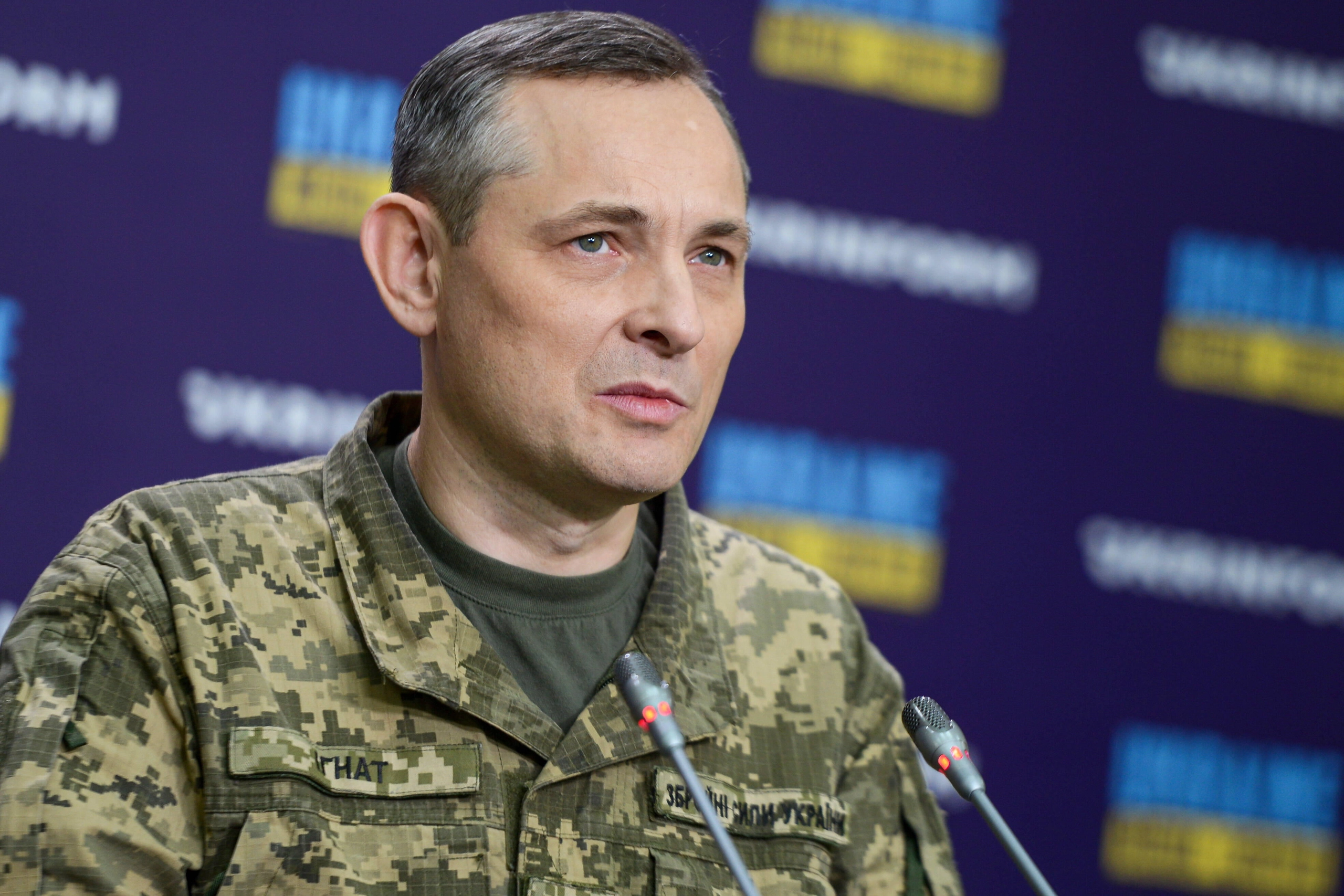
Yuriy Ihnat, the air force’s spokesperson, said on national television that Russia’s use of jet-powered unmanned aerial vehicles (UAVs) has been observed in “various directions” and noted the increased difficulty in intercepting them due to their increased speed.
JOIN US ON TELEGRAM
Follow our coverage of the war on the @Kyivpost_official.
“The enemy has begun to frequently use the Banderol loitering munitions – a hybrid of a drone and a missile... The share of jet UAVs is constantly increasing. We see that the enemy is increasingly using jet drones in various directions,” Ihnat said, according to state media Ukrinform.
He added that the Banderol’s flight speed at around 600 kmph (373 mph) makes it “similar to a cruise missile.”
The Ukrainian Air Force said Russia attacked Ukraine with 2 Kh-59/69 guided aircraft missiles and 94 drones overnight into Monday, and 41 missiles and 125 drones the day prior.
However, Ihnat and the air force did not share the precise numbers of jet-powered drones seen in recent attacks.
Oleksandr Syrsky, commander-in-chief of the Ukrainian Armed Forces, warned in June that jet-powered drones could account for up to 50% of the drones used in future Russian air raids.
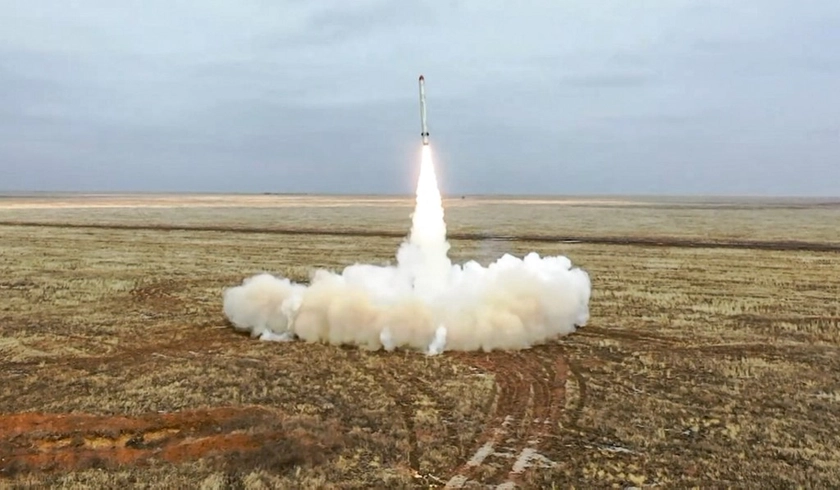
July also saw a spike in Russian missiles used against Ukraine, with Ukrainian defense outlet Militarnyi noting that ballistic missiles fired in the first 19 days of the month exceeded known monthly production numbers.
Ukraine’s Overnight Drone Campaign Extends Beyond Moscow to Crimea, Air Base, Shadow Fleet
Banderol – AliExpress jet engine, Japanese battery
The S8000 Banderol missile was previously reported for its reliance on foreign parts.
Publicized by Ukraine’s Military Intelligence (HUR) in May 2025, the Banderol was made with parts manufactured in China, Japan, and South Korea, as well as nearly two dozen microchips produced by companies from the US, Switzerland, Japan, China, and South Korea.
The War & Sanctions database maintained by HUR shows that it uses the Swiwin SW800Pro jet engine from China – a jet engine available for purchase online, including on Chinese e-commerce platform AliExpress, for approximately $16,000.
It also uses a battery pack made by Japanese firm Murata, while the only Russian component identified was the Kometa-M8 controlled reception pattern (CRP) antenna made by a Russian firm called VNIIR-Progress.
A New York Times (NYT) investigation published on July 12 asserted that Russia had relied on a spy network in Japan, operated by its Military Intelligence Directorate (GRU), to evade sanctions and export needed components from the East Asian country.
The missile was developed by the sanctioned Russian company Kronshtadt, and its primary carrier is the Orion UAV, also produced by Kronshtadt, according to HUR.
You can also highlight the text and press Ctrl + Enter