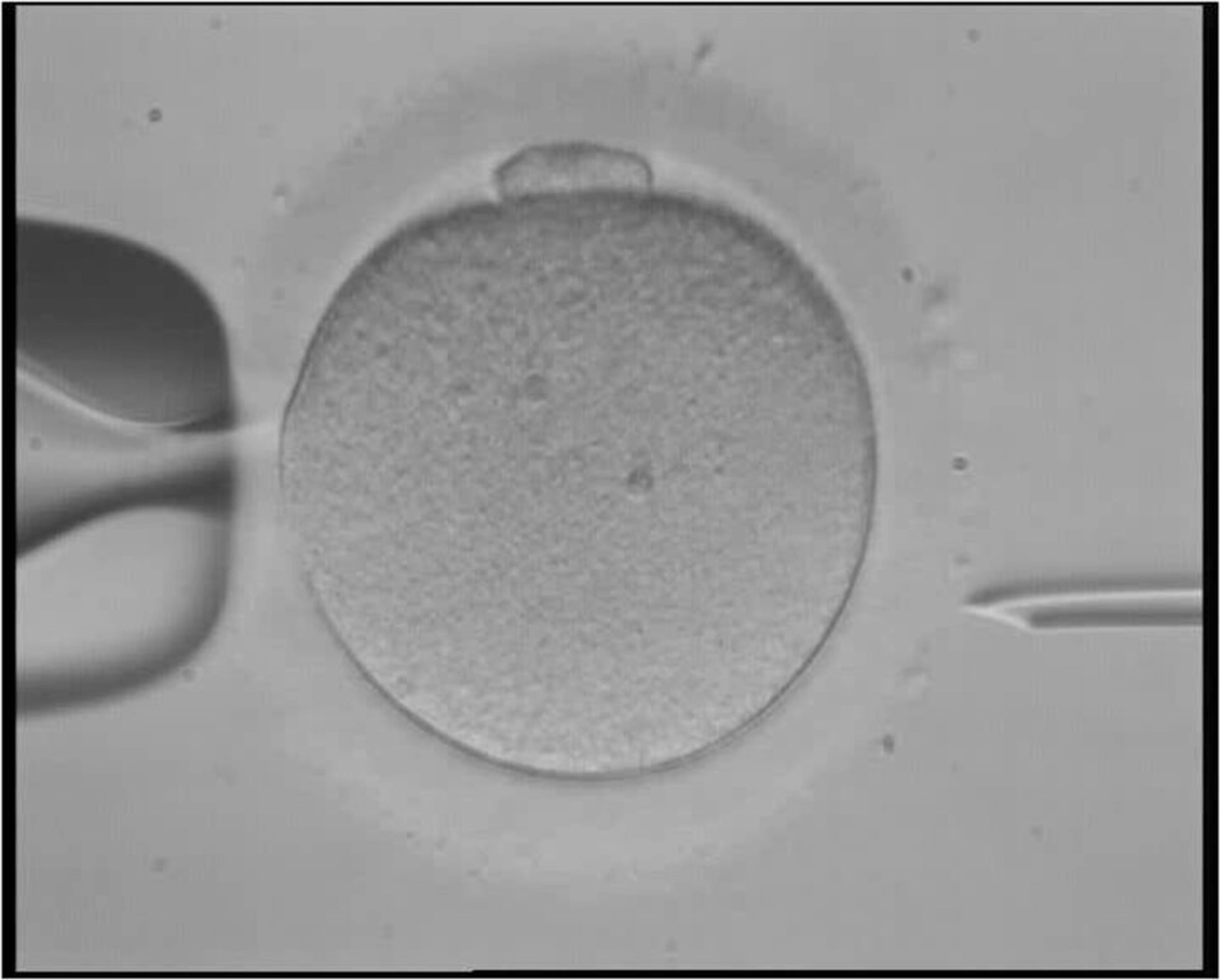
Russia’s State Duma has approved state-funded fertility treatment for women whose husbands were killed in the war against Ukraine or later died of their wounds.
The legislation was adopted on Thursday, July 23, and is expected to take effect on Dec. 1, The Moscow Times reported.
JOIN US ON TELEGRAM
Follow our coverage of the war on the @Kyivpost_official.
Eligible widows will be able to receive assisted reproductive treatments, including in vitro fertilization and artificial insemination. Surrogacy, however, is excluded from the program.
Eligibility limited to unmarried widows
Widows may access the benefit for five years following the death of a spouse recognized as a veteran of Russia’s war against Ukraine. If they remarry, they lose eligibility for the program.
Applicants reportedly must present notarized consent signed by their husbands before their deaths.
The procedures will be covered under Russia’s state-guaranteed program for free medical care. The Russian Health Ministry is yet to establish the detailed application and treatment rules.
Other benefits for war widows
Previously, Russian authorities allowed the spouses of service members killed in the war to enter state-funded university programs without taking entrance examinations. The same benefit is currently also available to those who have not remarried.
Widows and widowers of military personnel, security officers and other eligible combatants may apply through a separate university admissions quota.
Spouses of veterans can also study free of charge in preparatory departments at federal state universities.
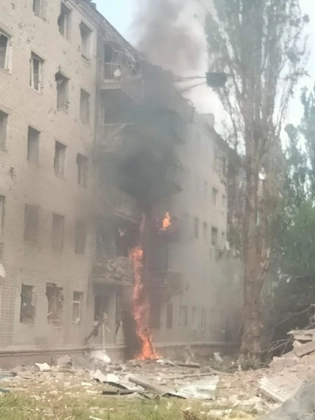
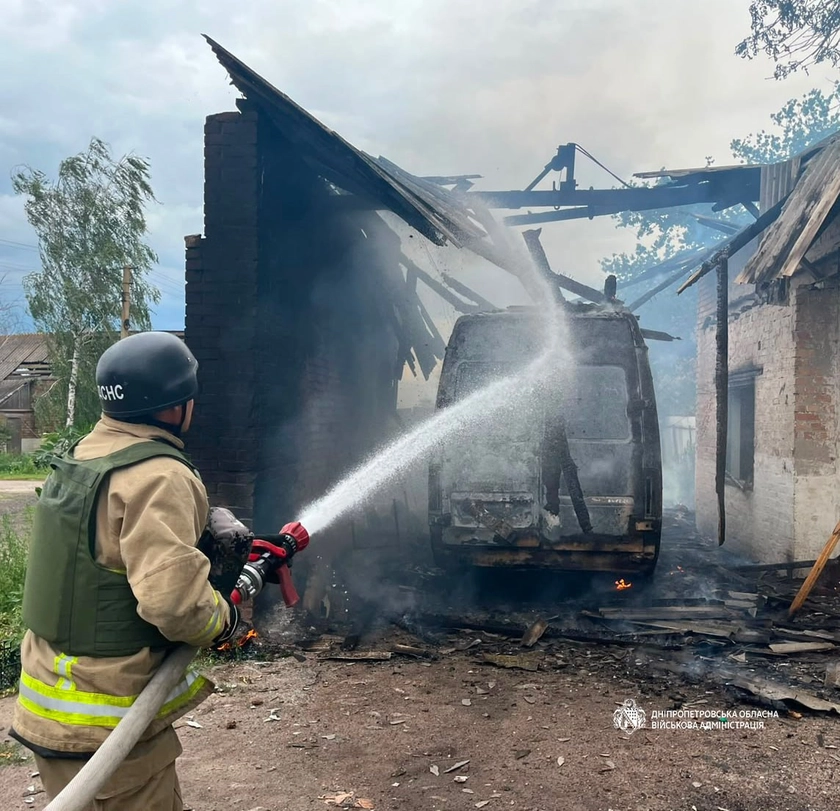
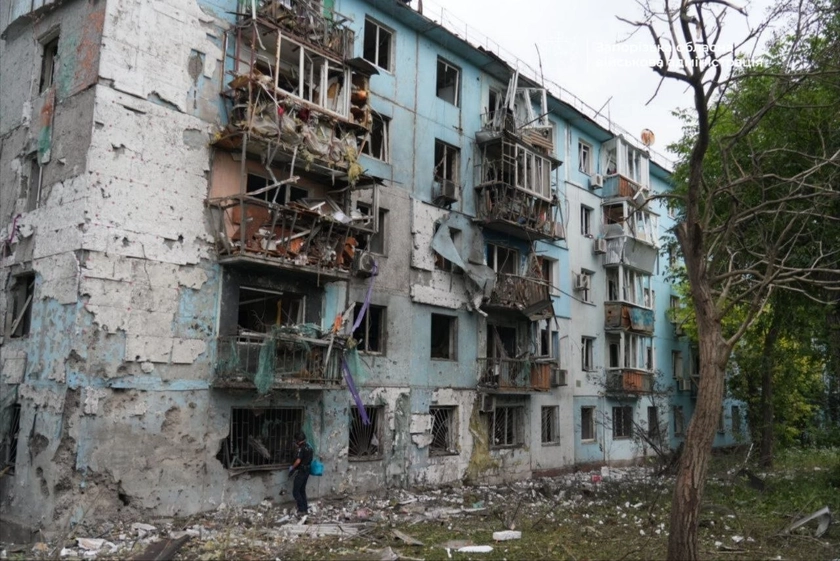
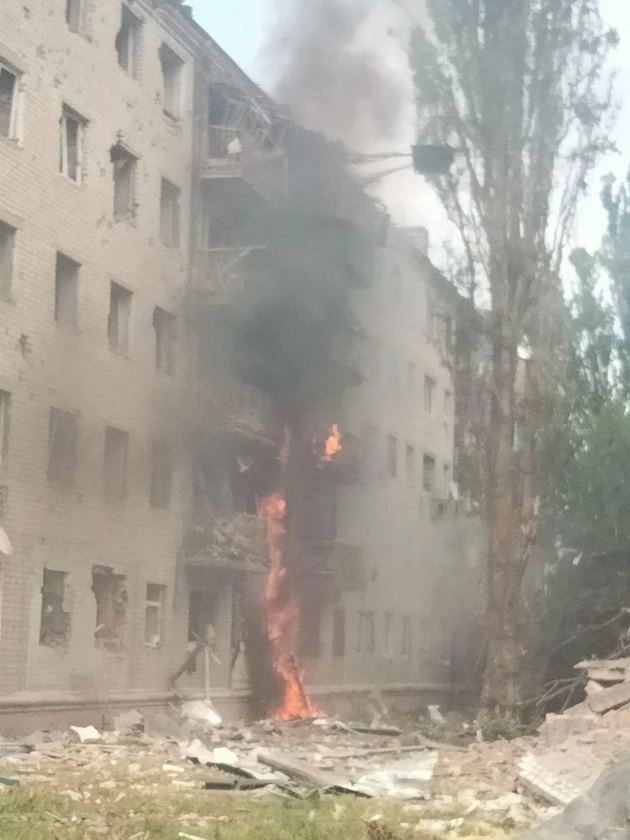
Russian Forces Strike Sloviansk with Aerial Bombs, Wound 14, Damage 7 Buildings
Russia’s “Black Widows” – the women who marry for money
Throughout the war, the Kremlin has pushed for financial incentives to encourage young men to enlist, which eventually gave rise to a trend of financial abuse. Some women, labeled as “Black Widows” by the Russian press, married mobilized soldiers or pressured their partners to enlist to claim state payments following their deaths.
Families of Russian soldiers killed in Ukraine could receive up to 13 million rubles ($166,037) in so-called “coffin money” as of 2025.
In one case, a military enlistment office employee married a man who joined the military the following day. She sought more than 3 million rubles ($38,316) after he was killed four months later, but a Russian court ruled that the marriage was fictitious.
In a separate incident, a real estate agent was sentenced to community service after advising clients to marry deployed soldiers and use their death benefits to purchase property. She described the arrangement as a “business plan.”
Russia pushing for larger families as birth rates decline
The IVF measure follows a broader push by Russian State authorities to reverse the country’s mounting demographic decline.
On July 1, the speaker of Russia’s Federation Council, Valentina Matvyienko urged Russian citizens to marry early and have at least three children before turning 35.
“I recommend falling in love early, marrying early, starting a family early,” Matviyenko said during a meeting with participants in the Train of Memory project, adding that “otherwise, you’ll keep ‘auditioning’ each other until you’re 30, and then you won’t want to take on the responsibility.”
“And unfortunately, especially some young women say, ‘For me, career comes first, family comes later.’ Believe me,” she continued, “later comes tears into the pillow, loneliness, and no happiness.”
Matviyenko’s remarks build on measures already pushed to reverse the population slide. Previously, she proposed a corporate “millionaires’ club” rewarding companies that pay staff 1 million rubles ($11,400) per child born, demographic performance benchmarks for state-run firms, and a dedicated “demographic task force” of government authorities.
She has also encouraged Russians to have five children each and trade cramped city apartments for larger, self-built homes.
Russia’s total fertility rate dropped to 1.305 children per woman by the end of 2025, its lowest mark since 2006. The country’s statistics agency has withheld detailed birth, death and population data since spring 2025, making independent verification increasingly difficult.
You can also highlight the text and press Ctrl + Enter