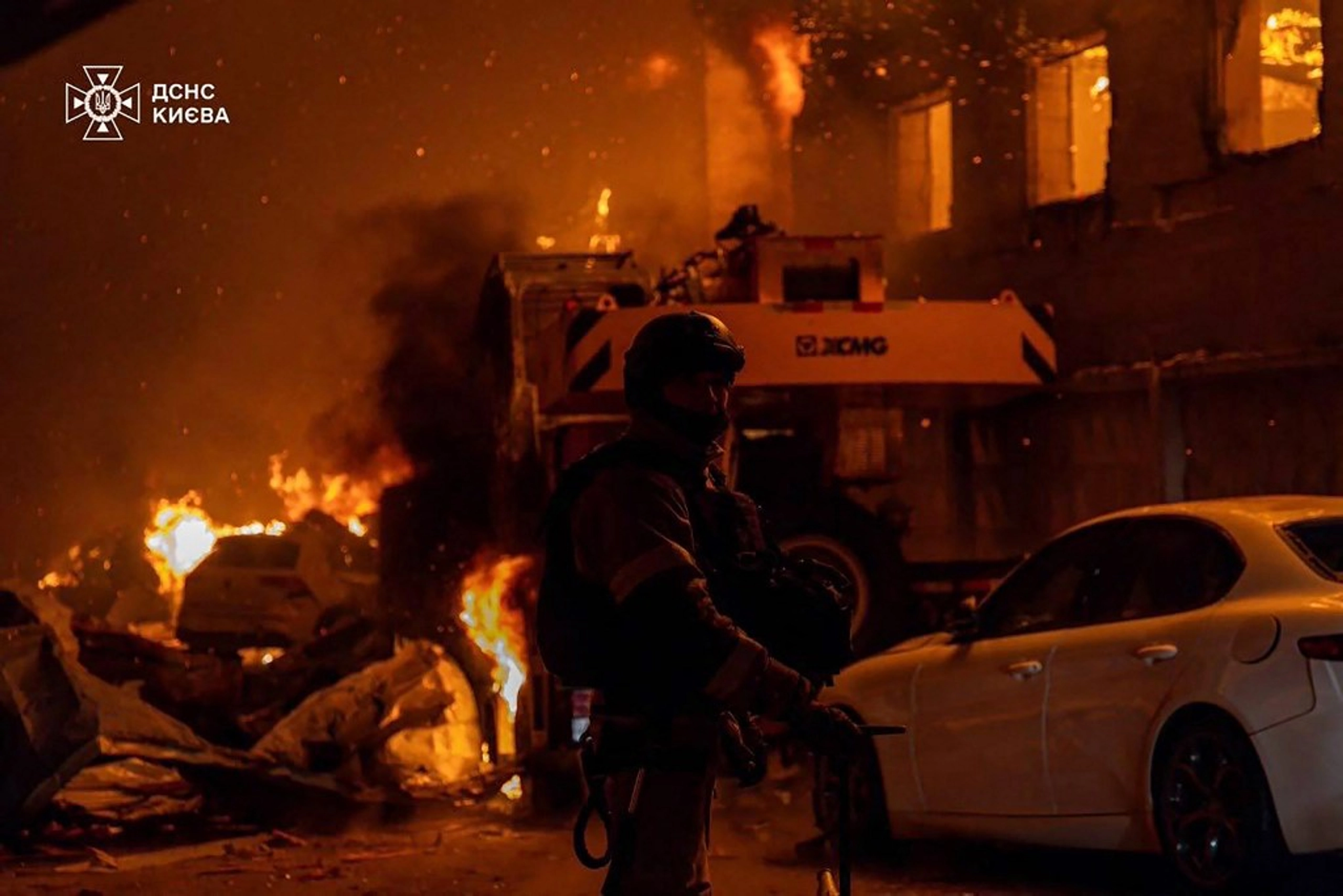
This month, Kyiv has endured three Russian missile barrages – each one more ferocious than the last. They have claimed the lives of at least 58 people and caused injury to many more.
When reports talk about “the injured,” they are referring to physical wounds, but these attacks also leave untold scars on the psyche of Kyiv’s residents. This is probably the type of damage that the Russian leadership is hoping will cause substantive change in attitudes towards the war in Ukraine’s capital and beyond, tipping the balance towards an appetite for an end to the conflict at any cost.
JOIN US ON TELEGRAM
Follow our coverage of the war on the @Kyivpost_official.
Russia is running out of options for adjustments to this “just keep battering them” strategy, which typically involve selecting new targets to strike.
Ukraine’s power plants have already been destroyed, and the wave of attacks on railway stations and trains failed to bring significant disruptions to Ukrainian logistics. Though less intense recently, strikes on gas stations continue, with 200 out of a total of 5,000 destroyed so far.
The shelling of residential areas in frontline cities – such as Kharkiv, Sumy, and Kramatorsk – persists, causing immeasurable harm to local communities, but not impacting the war’s overall trajectory.
In their desperation to crush Kyiv’s resolve, the Russian leadership may not have noticed how strikes on the capital invariably generate activity by self-help and community volunteer groups. They provide practical help and bolster the confidence of those who have suffered from the attacks. Having experienced this support, victims often choose to become “post-attack” volunteers themselves.
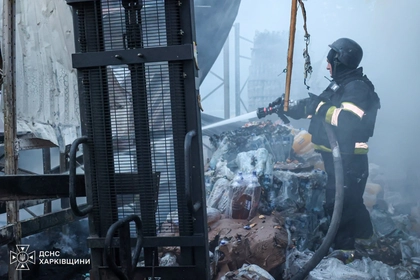
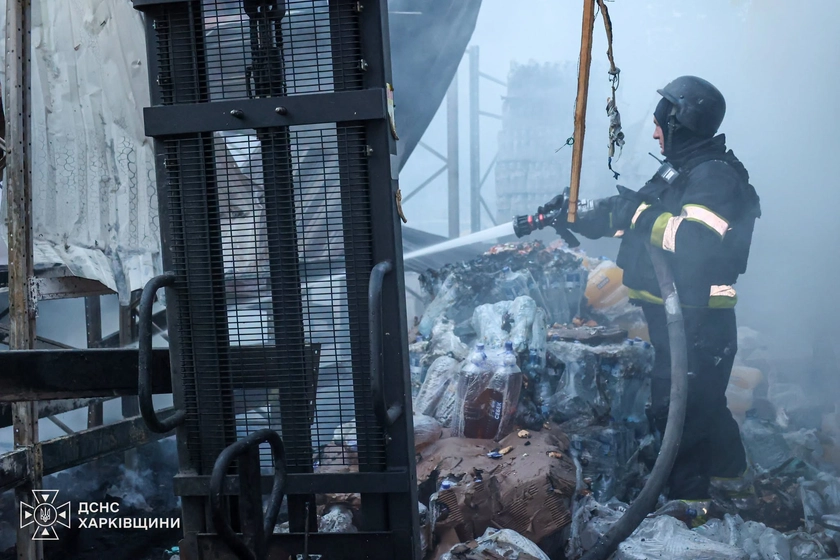
Drone Strikes in Kharkiv Hit Bakery Truck, Homes, Injuring Civillians
When the recent strikes blew out the windows of several high-rise buildings in the capital’s Lukyanivka district, volunteers appeared early in the morning, ready to help clean up the mess in apartments and provide plywood to cover broken windows.
While in no way compensating for the loss of life that the strikes impose on the capital’s population, the virtuous circle sparked by volunteer activity has a power that should not be underestimated.
As the Russian leadership holds fast to the strategy of crushing Ukraine’s spirit, missiles are being sent straight from factories to the front lines and immediately fired at Ukrainian cities. Production of missiles and drones is being ramped up, but not as quickly as Putin would like, and not quickly enough to destroy Ukraine’s will to go on living.
I am always delighted to hear new arrivals to the capital talking about what a wonderful city it is. Yes, despite everything, in the middle of a war, Kyiv maintains its charm and strength of character, and this is surely true of other Ukrainian cities as well. Endurance and flexibility are as important for civil society as they are for Ukraine’s military.
On July 15, “Tuna Day” was celebrated at Fujiwara Yoshi, a Japanese restaurant located in Kyiv’s Solomianskyi district – one of the areas most frequently targeted by shelling. The restaurant’s owner and celebrated Japanese chef, Yoshihiro Fujiwara, invited the public to attend a tuna-filleting ceremony.
For about $45, visitors could watch a large tuna being dissected using the classic Japanese gomai-oroshi method. After the hour-long tuna-carving “performance,” the audience could order dishes made from the fish, and the ticket price was credited toward the final restaurant bill.
Sadly, I was away that day, but similar events are held regularly at the restaurant – yet another demonstration of how life goes on in wartime Kyiv.
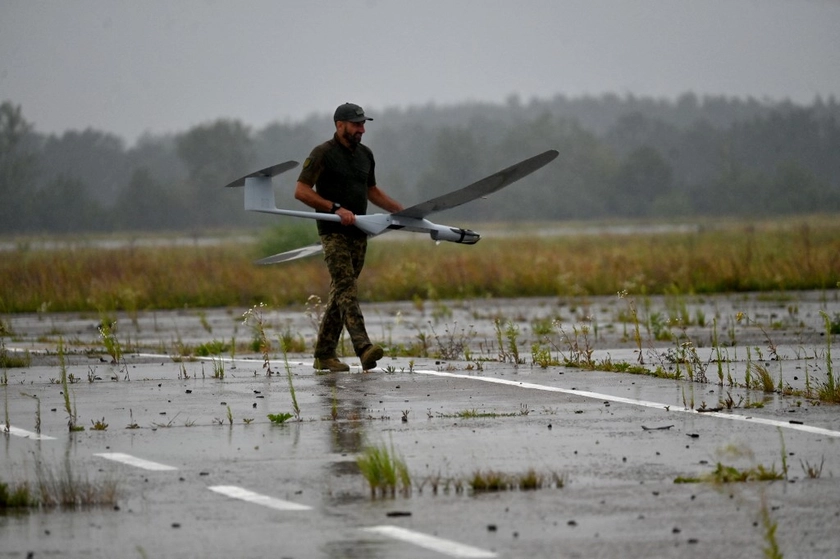
During the summer, I cannot help but think about Crimea – suffering under occupation for 12 years. For months now, Ukrainian drones have been destroying Russian air defense systems, significantly weakening the occupier’s ability to control airspace over the peninsula.
For over 12 months, military vehicles and fuel trucks on Russia’s overland route to Crimea, which traverses occupied Ukrainian territories, have faced daily drone strikes. Fuel stockpiles in the peninsula have also been targeted.
As a result, this summer Crimea finds itself with no gasoline, no electricity, no tourists, and cut off from the Russian Federation and its electricity supply. Life on the peninsula now resembles the situation in Ukraine last winter, with power available for only six hours a day – true, it’s not minus twenty degrees celsius.
The Russian government has increased financial subsidies for Crimea, but even with these funds, residents cannot purchase gasoline or electricity. Food delivery issues have also arisen, again, due to the fuel shortage and a lack of willingness among transport companies to risk their drivers and vehicles by delivering goods along roads monitored by Ukrainian drones.
President Putin is ignoring the serious fuel shortages faced by ordinary Russians throughout the federation. Apart from blaming Ukraine for the attacks on refineries, he does not comment on the situation.
Given the fuel shortages in the Russian Federation, some residents are also displaying a degree of flexibility. The horse trade has seen a significant rival. This mostly applies to rural areas, but while the price of hay remains stable, the cost of keeping a horse makes them a most attractive alternative to maintaining a car or a tractor.
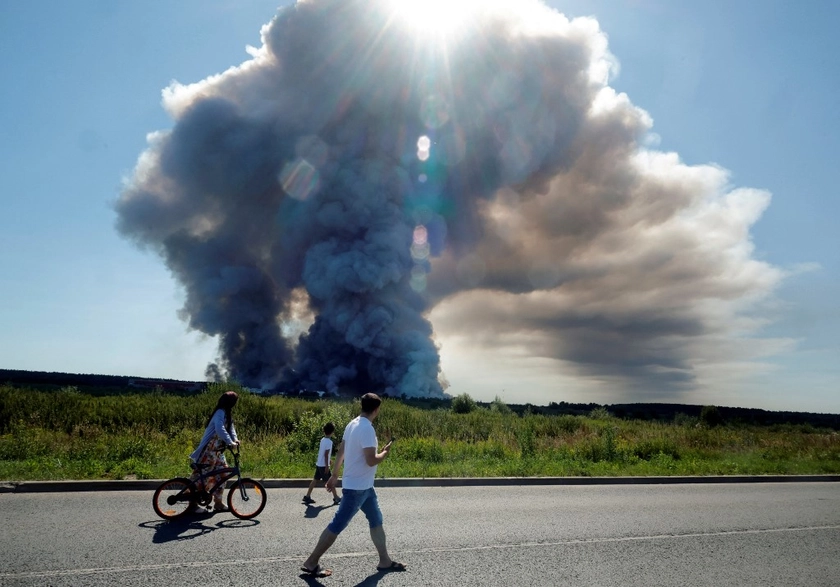
Perhaps horses and carts will prove useful for the delivery of replacement goods for Russia’s largest online retailer, “Wildberries,” whose warehouses have become a new target for Ukrainian drones since the company began selling equipment for the Russian army and war-related goods.
The views expressed in this opinion article are the author’s and not necessarily those of Kyiv Post.
You can also highlight the text and press Ctrl + Enter