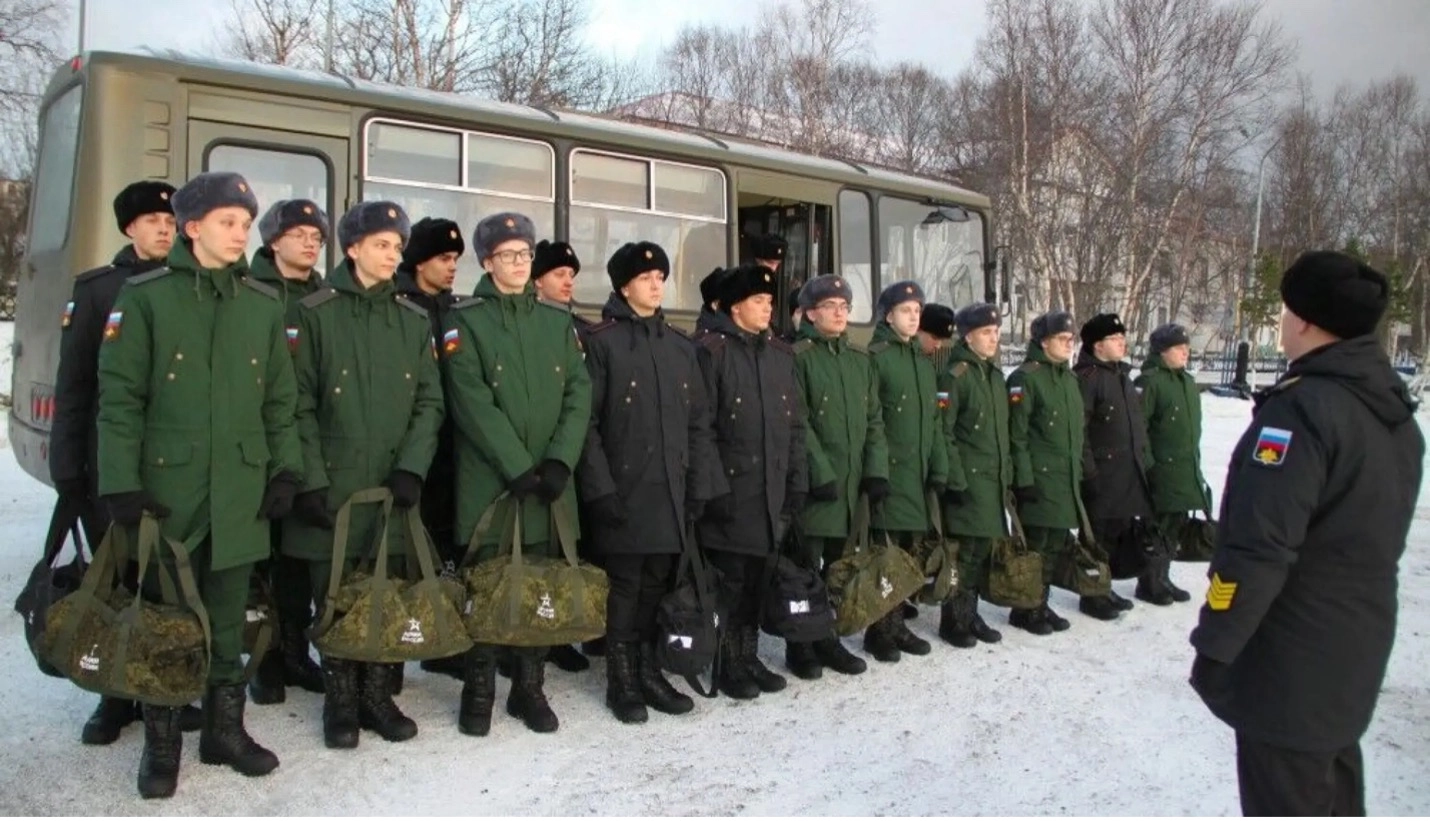
Moscow launched the traditional spring conscription campaign on Monday alongside efforts to convince other Russian citizens to volunteer to join the military. Ukraine’s government complained that thousands of those new conscripts are Ukrainian citizens that will be forced to fight against their fellow countrymen.
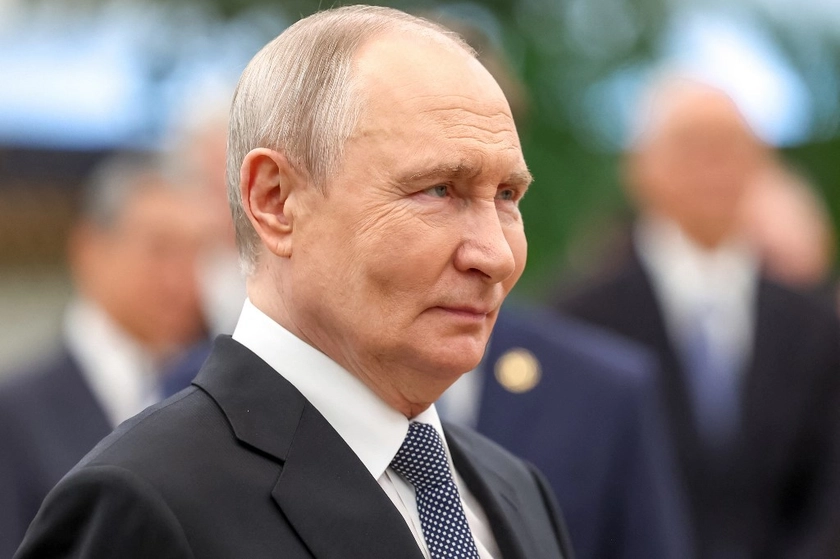
A presidential order signed into law by Russian leader Vladimir Putin set the total number of draft-age citizens the state needs to join the Russian military, during the year’s annual spring call-up at 160,000 men.
JOIN US ON TELEGRAM
Follow our coverage of the war on the @Kyivpost_official.
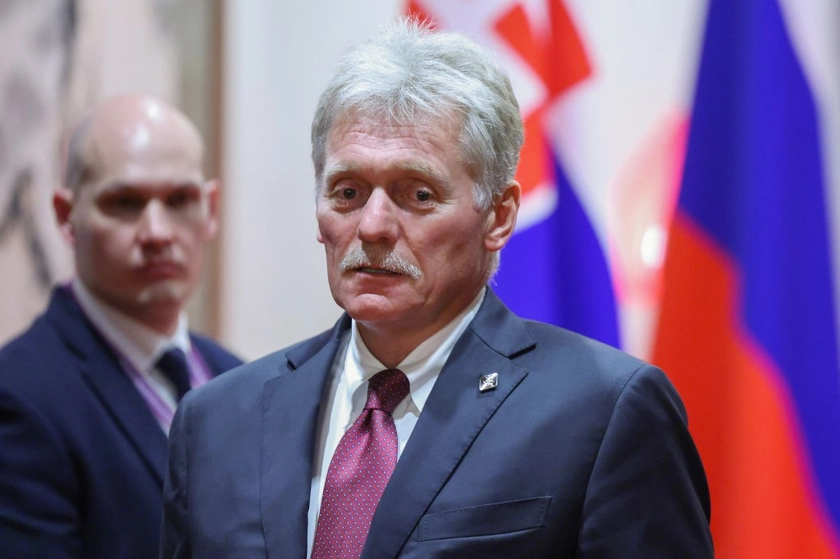
Vice Admiral Vladimir Tsimlyanskiy, vice chief for recruiting of the Russian Army’s General Staff, in a statement to state-run media on Tuesday said conscription in 2024 was 130,000 men and “that goal was fulfilled on time and in full.”
Across Russia’s 13 time zones, local recruiting staff moved out to deliver the first draft notices nationwide on schedule on April 1, independent information platforms reported. The local Novosti Rostova said draft summons also would be handed out to employees by managers at state-run companies and educational institutions.
Conscripted men are required to report to recruiting points and would be obliged to serve for twelve months, Tsimlyanskiy said, adding that recruitment will take place in two waves, one starting in April and the second in July.
The main 2024 recruiting priorities were in Russia’s Komi, Krasnodar, Krasnoyarsk, Amur, Kaliningrad, Moscow, Bryansk, Rostov, Samara, Sakhalin, Moscow, Sakhalin, Petersburg and Chelyabinsk regions, he said.
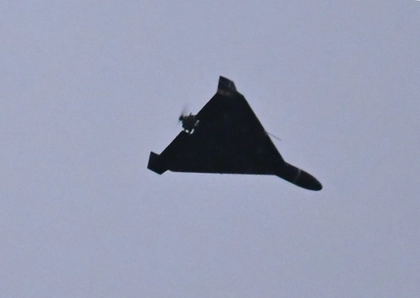
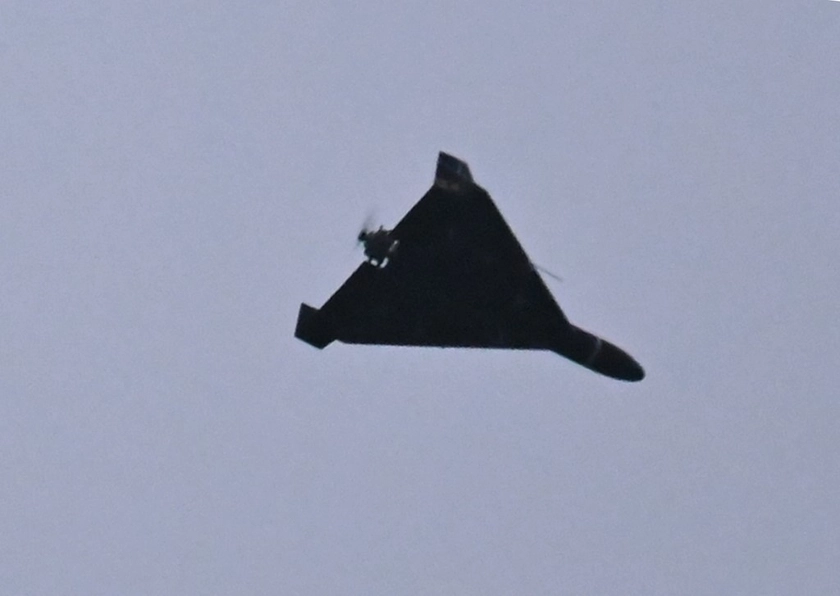
WATCH: Ukraine Destroys Shahed Launch Vehicle in Donetsk Airport
Ukraine’s occupied Crimea region – which Tsimyanskiy described as Russian territory – was also a focus for state recruiting efforts for the coming year, he said.
The conscription order mandating service in the Russian army affects all Russian citizens, including Ukrainians who took Russian citizenship following Russia’s invasion and occupation of about 20% of Ukrainian territory from 2014-2022. The pre-war population of those five regions was more than 10 million people. Estimates of military-aged men currently living in the occupied territories range from a half million to two million men.
Ukraine’s Ministry of Foreign Affairs, in a statement on Tuesday, said it expressed its “strong protest in connection with the forced mobilization of Ukrainian citizens into the [Russian] armed forces and other formations, which Russia is carrying out in the temporarily occupied territories of Ukraine.”
“They plan to recruit 160,000 young warm bodies from among Russian passport holders, some of whom will sign a contract to go and kill Ukrainians,” the statement said. “Russia will replenish its losses and will be able to continue conquering other lands, not only in Ukraine.”
Putin signed a law on March 20 that requires Ukrainian citizens living in the Russian-occupied parts of Zaporizhzhia, Kherson, Donetsk, and Luhansk regions to either “regulate their legal status” or leave. The order obliged Ukrainians living in those regions to obtain Russian passports by Sept. 10 or to be classified as “foreigners.” They would then become subject to foreign residency regulations, which include a maximum stay of 90 days, mandatory medical examinations, and work restrictions. As Russian passport-holders, whether willing or not, they become potentially eligible to be drafted.
A March 25 Human Rights Watch statement said: “The new decree tightens Russia’s already harsh grip over occupied areas. There are fears Russian authorities will use it to force Ukrainians who acquire a Russian passport to fight in its armed forces… international law also prohibits Russia from altering the demographics of occupied areas, forcing residents to declare allegiance to them as an occupying power, conscripting them into their armed forces, or forcibly transferring populations. The last two are war crimes.”
Under Russian law, newly conscripted recruits may not be sent to the combat zone in Ukraine to fight. Tsimlyanskiy repeated that commitment on Tuesday, saying a fresh conscript would “not be deployed to the new territories.”
He said that once soldiers finished their 12 months of obligatory service, they would be released to civilian life.
Top Russian army brass, needing soldiers to refill depleted units, in the past, have got around the rule using threats and trickery to convince Russian army conscripts to volunteer for wartime service.
Complaints about the practice of putting pressure on conscripts are widespread. This includes the use of physical punishment and incarceration to sign a contract to be a professional soldier subject to deployment to Ukraine. Russian soldiers taken prisoner in Ukraine, both conscripts and former civilians who volunteered for army service, often tell their captors they didn’t want to fight, and were forced to join a combat unit by their old unit’s leadership.
Russian conscripts defending Russia’s Kursk and Belgorod regions against Ukraine’s recent invasion have similarly found themselves thrust into combat against the Armed Forces of Ukraine, notwithstanding the promise that by law, conscripts cannot be forced to participate in combat against Ukrainian troops.
The Kremlin, in July, doubled bonuses paid from the federal budget to men willing to volunteer for combat service from $2,200 to $4,500. Local governments facing Moscow imposed recruiting quotas are reported to have been offered an additional $9,000 to $23,000 to meet the expected levels.
The Russian military, during more than three years of war in Ukraine, has taken the worst losses suffered by any army since the Korean War, and the worst losses suffered by the Russian army since World War II.
According to Ukrainian calculations, the Russian army has each day lost as many as 1,500 men in combat in Ukraine, and its total losses of men killed or seriously wounded since the February 2022 full-scale invasion stand at more than 900,000.
Britain’s Defense Ministry estimated on March 21 that Russia’s losses in the first two months of 2025 were an average 45,000 a month, saying the Ukrainian 900,000 figure was “likely.”
You can also highlight the text and press Ctrl + Enter