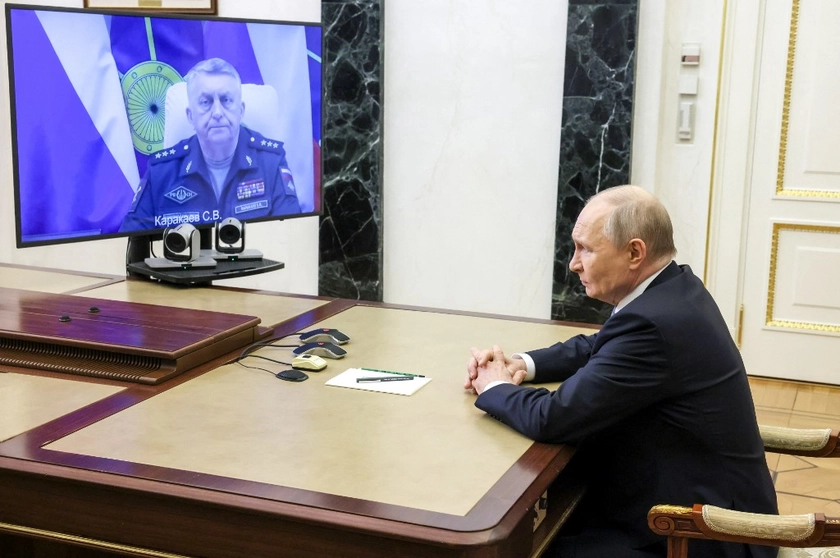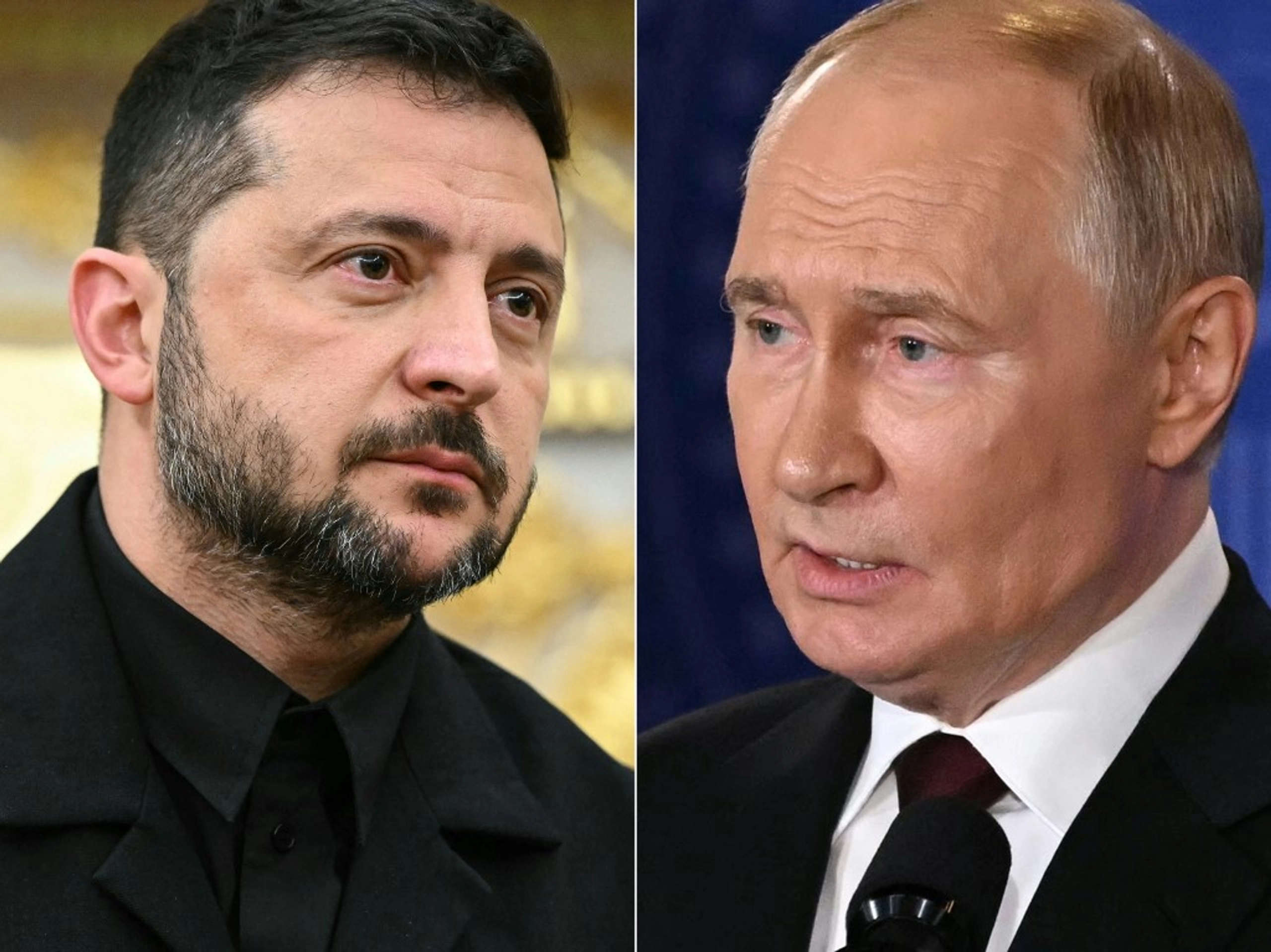
Kremlin leader Vladimir Putin said Russia is ready to resume negotiations with Ukraine based on the framework of the previously discussed Istanbul agreements, marking a notable shift in tone from his earlier public stance.
The remarks were reported by Ukrainian outlet RBC-Ukraine, which noted that just hours earlier, Putin had insisted he saw no conditions for dialogue.
JOIN US ON TELEGRAM
Follow our coverage of the war on the @Kyivpost_official.
“Russia, as has been said more than once, is ready for negotiations with Ukraine. Ready on the basis of the agreements that were reached back in Istanbul and, I remind you, were initiated by the Ukrainian delegation,” Putin said, adding that Ukraine was allegedly “fully satisfied” with them at the time.
In his broader comments, Putin framed the current Ukrainian leadership as a “neo-Nazi” regime and claimed that Kyiv is trying to create only an impression of strong negotiating positions, while “realities on the battlefield are completely different.”
He also claimed that strikes by Ukrainian forces on Russian territory, including incidents affecting civilians, “only encourage” Russian troops to continue their operations.
Istanbul talks as precedent
The Istanbul talks that took place in 2022, in the early weeks of Russia’s full-scale invasion, produced only draft ideas on Ukrainian neutrality and security guarantees before collapsing amid battlefield changes and public outrage over Russian atrocities.
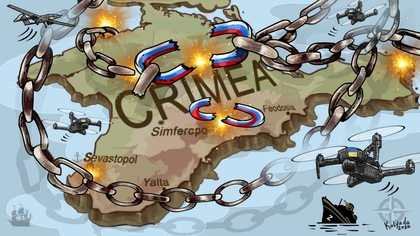
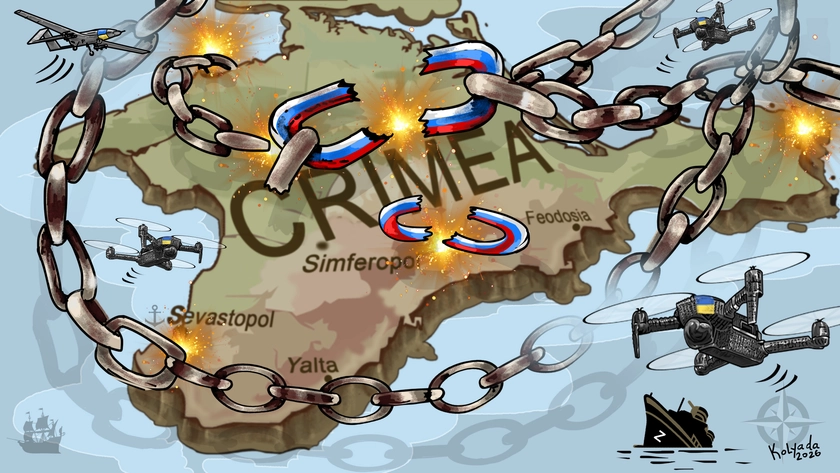
CARTOON: Ukrainian Drones Liberating Crimea
In 2025, the Istanbul meetings resumed after a three-year pause, with Kyiv seeking a 30-day unconditional ceasefire and prisoner exchange, while Moscow tried to revive the earlier framework to reflect its territorial gains.
Putin’s renewed reference to those talks comes amid continued Ukrainian drone and missile strikes on Russian military and energy infrastructure.
Kyiv has repeatedly stated that any future negotiations must be based on Ukraine’s territorial integrity and conditions laid out in President Volodymyr Zelensky’s peace formula, including the withdrawal of Russian forces from occupied territories.
By tying any possible dialogue to the earlier Istanbul framework and “realities on the ground,” Putin signaled that Moscow’s position remains closely linked to its military gains.
Kyiv Post notes that the proposed framework required Ukraine to abandon its NATO ambitions, renounce nuclear weapons, restrict foreign troops and weapons on its territory, and reduce its armed forces to 85,000 personnel.
In exchange, Russia, the US, the UK, France, and China would provide security guarantees. At the same time, Moscow would withdraw from occupied territories except Crimea, with the status of parts of the Donetsk and Luhansk regions left for separate negotiations.
Moscow sends mixed diplomatic signals
In early June, Zelensky issued an open letter to Putin, proposing a face-to-face meeting in a neutral country, a proposition that was dismissed and mocked, with Kremlin responding that the Ukrainian president should instead “come to Moscow” if he wants to meet.
On Tuesday, the Kremlin signaled a rare openness to diplomatic contact with Brussels, with foreign policy aide Yuri Ushakov saying Russia is “ready” for dialogue with the EU.
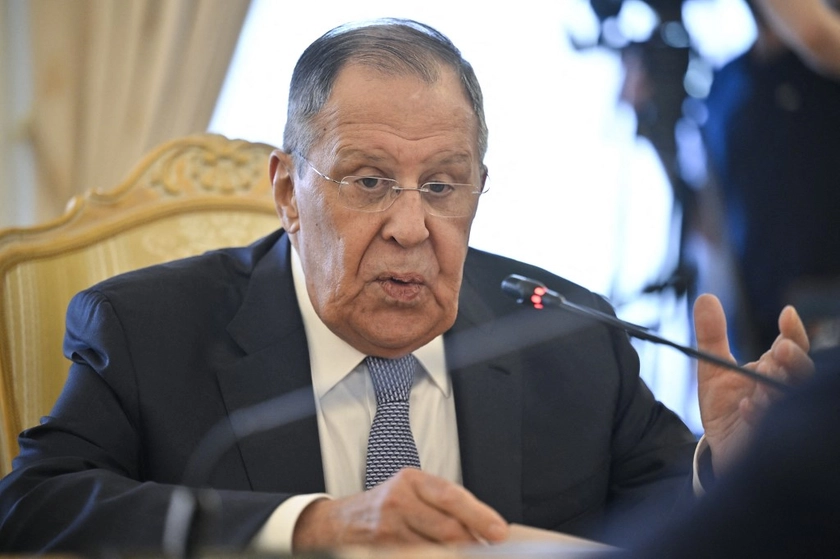
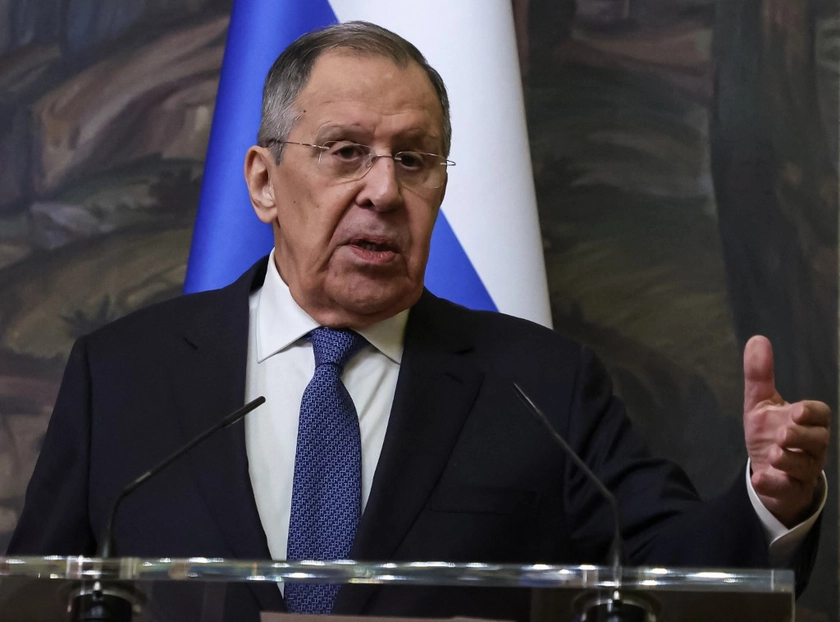
Simultaneously on Tuesday, Lavrov said Moscow is “ready to resume” negotiations with Ukraine “at any time where they left off,” while dismissing Zelensky’s conditions as “unrealistic,” blaming Western backers for obstructing a possible settlement.
Russia has accused the US of dropping any pretense of being an “objective mediator” on Ukraine, after G7 leaders, including President Donald Trump, backed tougher sanctions and more air defense support for Kyiv.
You can also highlight the text and press Ctrl + Enter