





Key Takeaways from the ISW:
- Kremlin Spokesperson Dmitry Peskov said that ongoing US-Russian negotiations are unlikely to result in “lightning-fast results,” contrary to US President Donald Trump’s stated objective of achieving a general ceasefire and lasting peace agreement in Ukraine in the near future.
- Any future general ceasefire or peace agreement must include robust monitoring mechanisms, given the Kremlin’s ongoing efforts to portray Ukraine as violating the long-range energy infrastructure strikes ceasefire without providing evidence of these strikes and despite the lack of public details about the ceasefire’s terms. It remains unclear what monitoring mechanisms the West could leverage to enforce and monitor a future general ceasefire or if the Kremlin would accept any such mechanisms.
- Russian officials continue to weaponize the vague terms of the current ceasefire on long-range strikes against energy infrastructure and ongoing ceasefire negotiations in an effort to falsely portray Ukraine- and not Russia- as unwilling to engage in constructive dialogue.
- Russian forces conducted a devastating ballistic missile strike against Sumy City on April 13, causing more than 100 casualties.
- Ongoing milblogger complaints about the Russian military’s conduct of the war in Ukraine reinforce ISW’s assessment that Russian tactics will degrade Russia’s manpower and materiel resources and contribute to slowing Russian advances along the frontline.
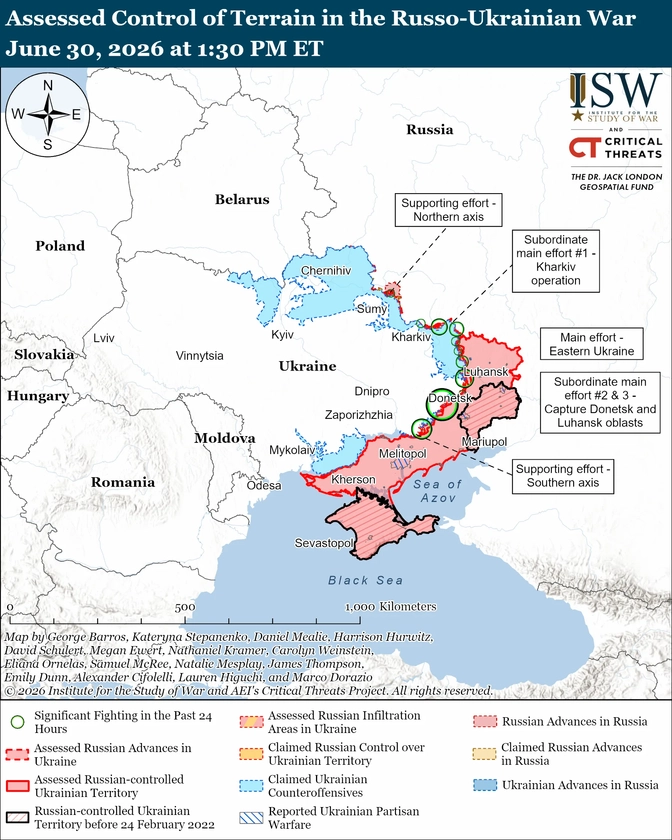
- Ukrainian forces recently advanced near Toretsk and Russian forces recently advanced near Kharkiv City, Borova, and Chasiv Yar.
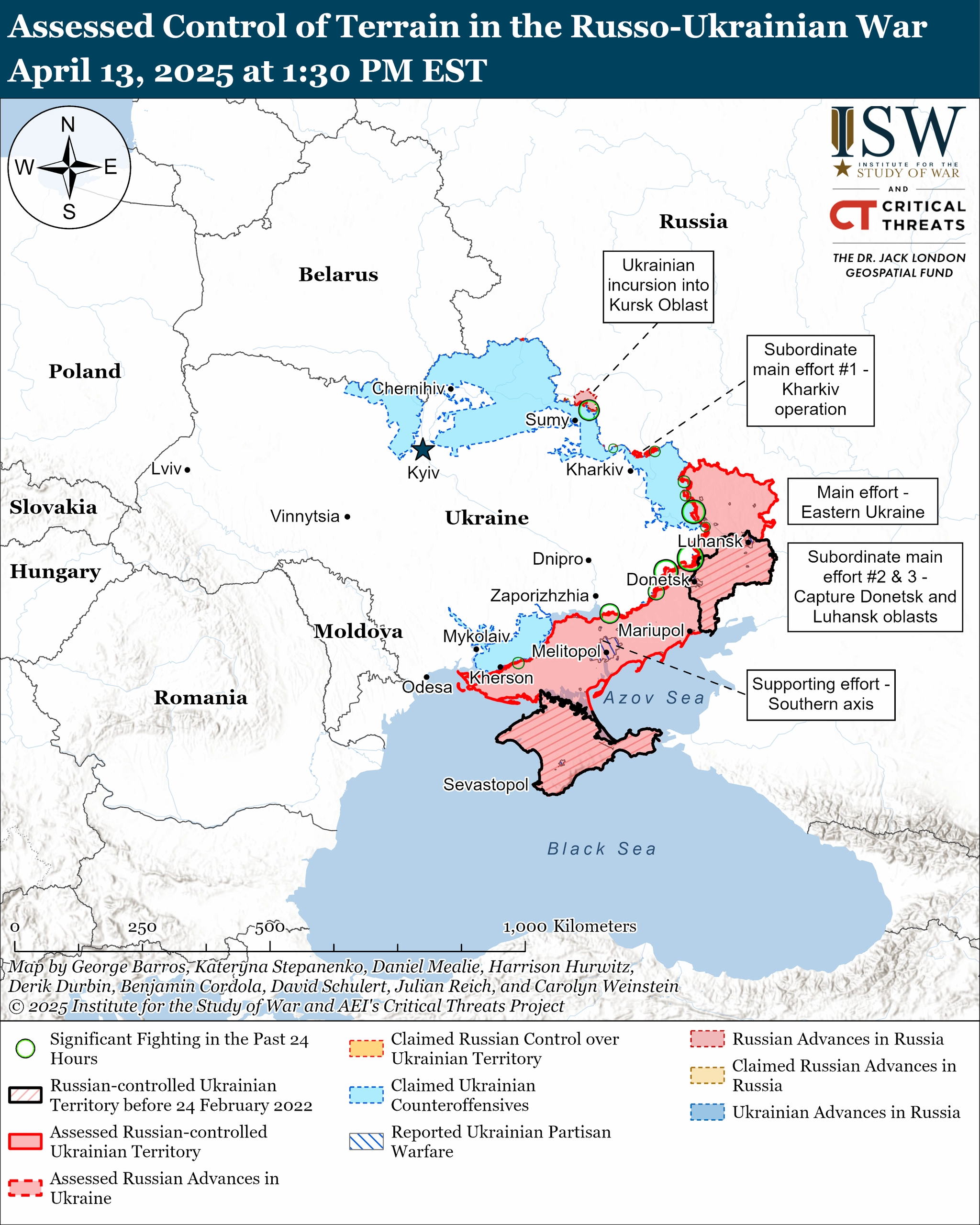
JOIN US ON TELEGRAM
Follow our coverage of the war on the @Kyivpost_official.
Authors: Grace Mappes, Daria Novikov, Olivia Gibson, Angelica Evans, Davit Gasparyan, and Frederick W. Kagan with Nate Trotter.
See the original here.
To suggest a correction or clarification, write to us here
You can also highlight the text and press Ctrl + Enter
You can also highlight the text and press Ctrl + Enter


ANALYSIS: Why Ukraine has Abandoned Four Years of Caution over Belarus
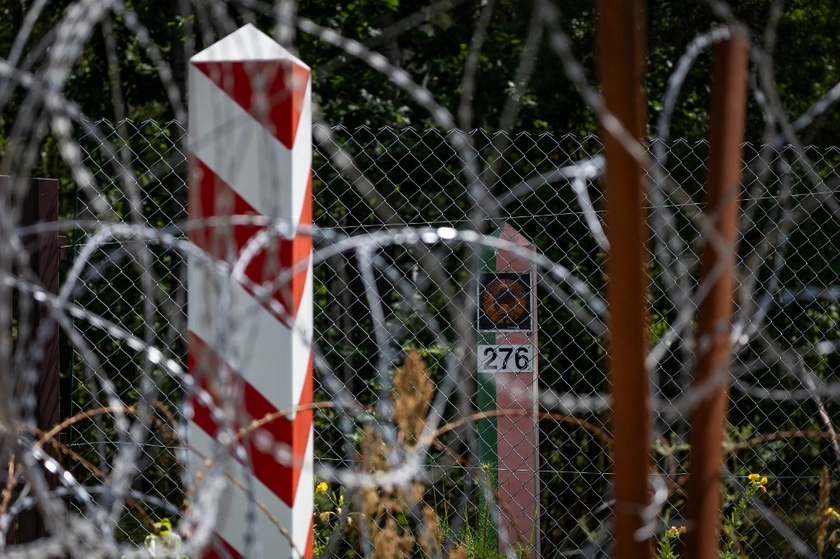
Ukraine has issued a public ultimatum to Belarus, demanding the removal of relay equipment used to guide Russian drone strikes.
June 28, 2026