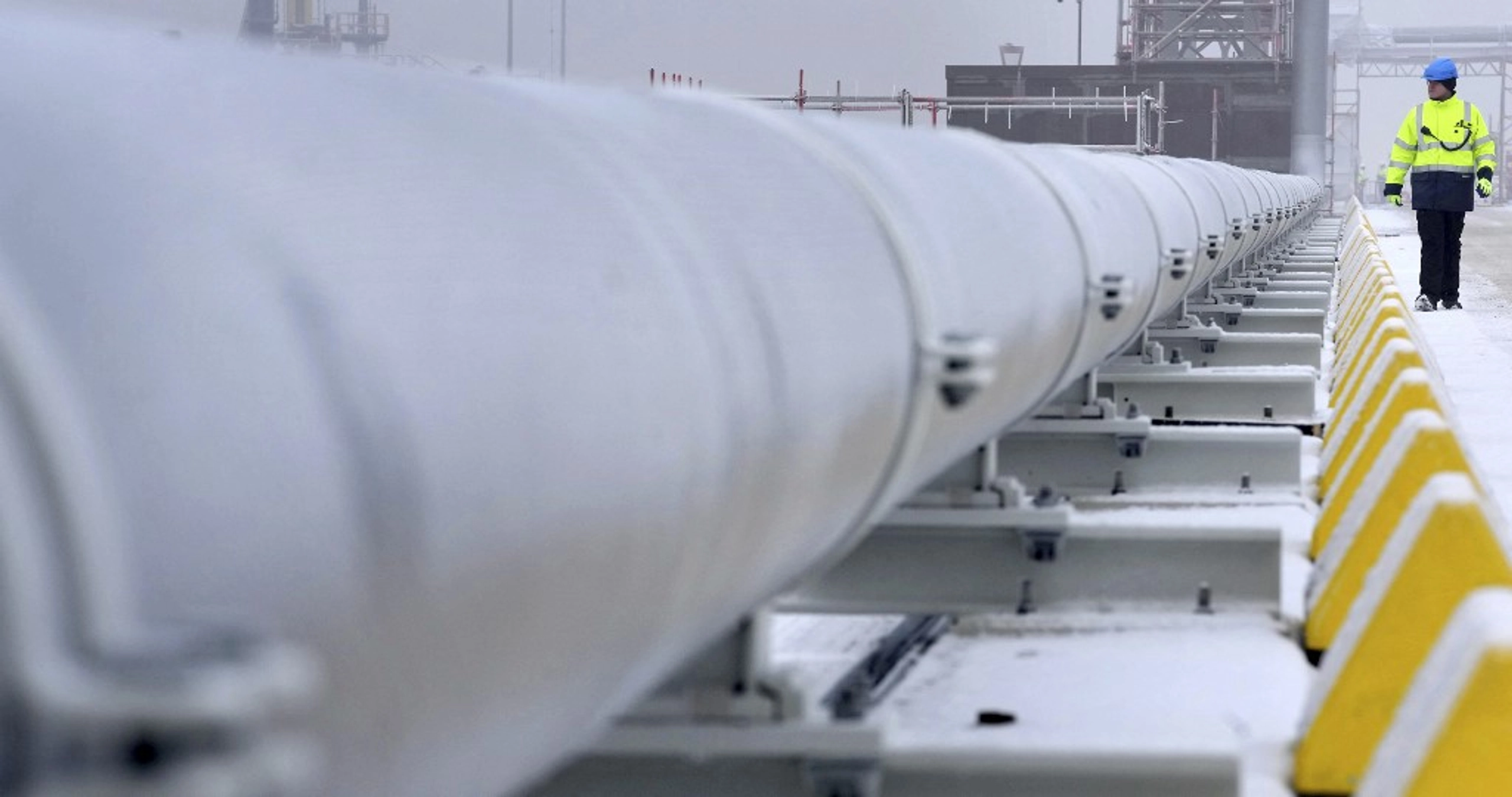
The EU is torn between reviving Russian gas imports to substitute US gas and ditching Russian gas altogether.
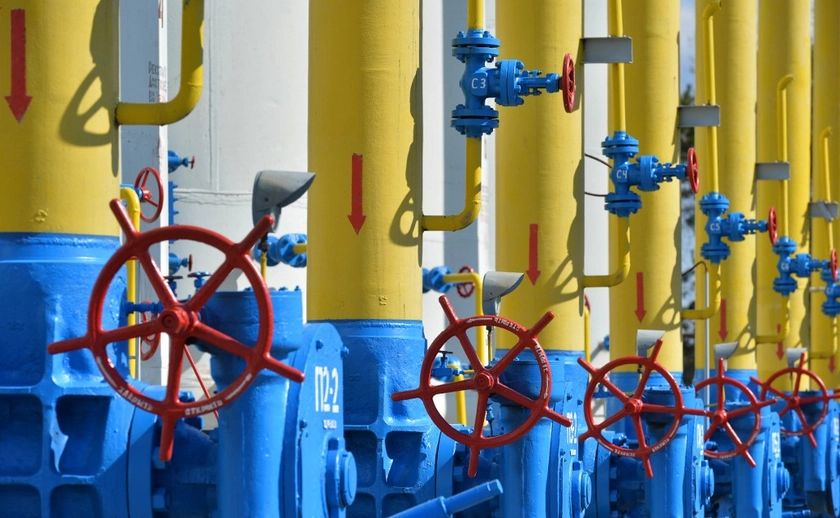
EU companies are reportedly growing anxious about US President Donald Trump potentially “politicizing” gas exports and are therefore considering renewing Russian imports, Reuters reported, citing management from France’s Engie and TotalEnergies and Germany’s Leuna Chemical Park.
JOIN US ON TELEGRAM
Follow our coverage of the war on the @Kyivpost_official.
Europe started replacing Russian gas imports with US liquified natural gas (LNG) after Moscow’s 2022 invasion of Ukraine.
Tatiana Mitrova, a research fellow at Columbia University’s Centre on Global Energy Policy, told Reuters that Europe is concerned with over-reliance on US gas as the tariff war looms over the horizon.
“It’s becoming increasingly difficult to regard US LNG as a neutral commodity: At a certain point it might become a geopolitical tool,” Mitrova added.
The companies’ intentions to purchase Russian gas contradict Brussels’s official pledge to end Russian fossil fuel imports by 2027.
The European Commission is examining legal ways to help EU companies exit long-term gas contracts with Russia without facing penalties.
One option under review is invoking “force majeure” due to the war in Ukraine, which could justify terminating contracts, FT wrote.
An alternative option is renewing the flows in the pipelines but with tariffs, as they could weaken Russia’s competitive edge and still lower the prices on the market.
Ukrainian Missile Campaign Now Reaches Across Half of Russia
This would only require majority support in the EU, eliminating the risk of Slovakia or Hungary vetoing the move in fear of paying additional tariffs.
Meanwhile, the EU has continued to import Russian LNG after 2022 – albeit with reduced volumes – with Russia remaining the bloc’s second-largest supplier after the US, according to the Ukrainian think tank Dixi Group.
Russia has a history of using gas supplies as a political weapon.
In 2022, it cut supplies to Poland and Bulgaria to retaliate against their refusal to pay in Russian rubles after Moscow’s 2022 Ukraine invasion, prompting European Commission President Ursula von der Leyen to accuse Moscow of “blackmail.”
Prior to the invasion in 2021, Russia had been accused of deliberately withholding gas to pressure the EU into approving the Nord Stream 2 pipeline, an accusation dismissed by Russian energy giant Gazprom, according to The Moscow Times.
You can also highlight the text and press Ctrl + Enter