The European Commission plans to amend the rules on the admission of Ukrainian war refugees from spring 2027, and has proposed that Ukrainian men of military age who arrive in the EU should no longer be automatically entitled to protection, although they would retain the right to apply for asylum. In Ukraine, military-age men are subject to an exit ban.
Harsh but right
JOIN US ON TELEGRAM
Follow our coverage of the war on the @Kyivpost_official.
Der Tagesspiegel shows understanding for the new regulation (Germany):
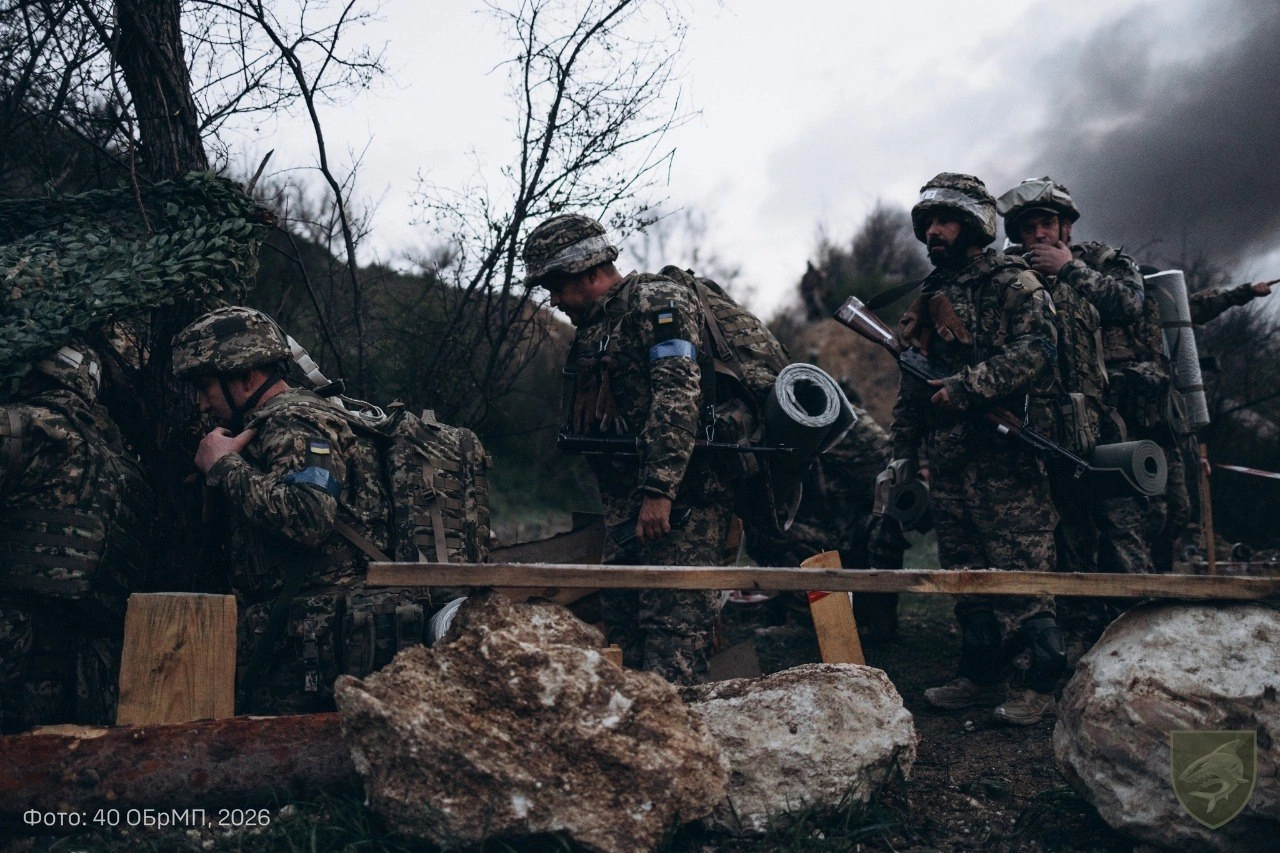
“Up to now Ukrainians fleeing the war in their homeland have been granted refuge in the EU. This has applied not only to women, children and elderly people in need of care, but also to men. ... However with this practice the EU has exacerbated a conflict of objectives: it wants Russia to lose its war of aggression against Ukraine. But who is to defend the country if those who are fit for military service can easily evade conscription? ... If there are too few soldiers available, the prospects of success diminish and the principle of military service equity suffers. The people who are fighting have to spend longer periods at the front, get fewer breaks, and the risk to their lives increases. ... [Ukraine] needs men fit for military service to succeed – however tough this may be in individual cases.”
Moral sovereignty revoked
Peace researcher Vicenç Fisas writes in eldiario.es (Spain):
“This decision eliminates the only space of genuine freedom left to those who, at enormous personal cost, had decided they couldn’t or didn’t want to take part in this war. ... Desertion is not cowardice, but in many cases the only act of moral sovereignty left to a person. ... More than half a million young people, Ukrainians and Russians alike, have risked everything to escape this logic. They are not deserters in the negative sense, but people who do not want to become instruments of a violence that destroys them, regardless of whether or not they survive.”
Ukraine Approves National Pantheon Law to Honor State Builders, Military Leaders and Cultural Icons
Several grounds for asylum remain
Those Ukrainians who are subject to compulsory military service will still be able to apply for asylum in the EU, European Pravda puts in (Ukraine):
“Human rights violations relating to military service or the consequences of evading military service could be regarded as persecution under the Geneva Convention on Refugees. For example, in cases of disproportionate or arbitrary punishment, discrimination, torture, inhuman treatment and unlawful deprivation of liberty. Another argument that a conscientious objector or deserter can invoke when applying for asylum in the EU is that they refuse to perform military service on the grounds of conscience, as well as the lack of an alternative to military service.”
Courts will block deportations
The state-owned news agency RIA Novosti points to differing legal practices across EU member states (Russia):
“European courts, particularly in Germany, could stand in the way of mass deportations (and things logically seem to be heading in that direction). They often refuse to allow even radical Islamists to be deported on the grounds that their lives might be in danger in their home countries. This applies particularly to Ukraine. But first, these people must make it all the way to Germany, and in Poland and Romania – the main ‘exit’ points from Ukraine – the judicial system cannot be relied on to act humanely: the authorities there have always taken a hard line towards asylum seekers.”
Little trust in the recruitment process
Kyiv-based political scientist Maksimas Milta discusses the recruitment problems on LRT (Lithuania):
“Eighty-five percent of Ukrainians distrust the recruitment offices – due to the violent behaviour of officials, the state’s inability to ensure that soldiers are discharged, and the increasingly frequent reports of arbitrary treatment. ... The main problem for Ukrainian recruitment today is not about pay. The real problem is trust. As long as soldiers don’t know when or under what conditions they can leave military service, and the state cannot guarantee that their places will be filled by adequately trained replacements, financial incentives remain a stopgap solution.”
You can also highlight the text and press Ctrl + Enter