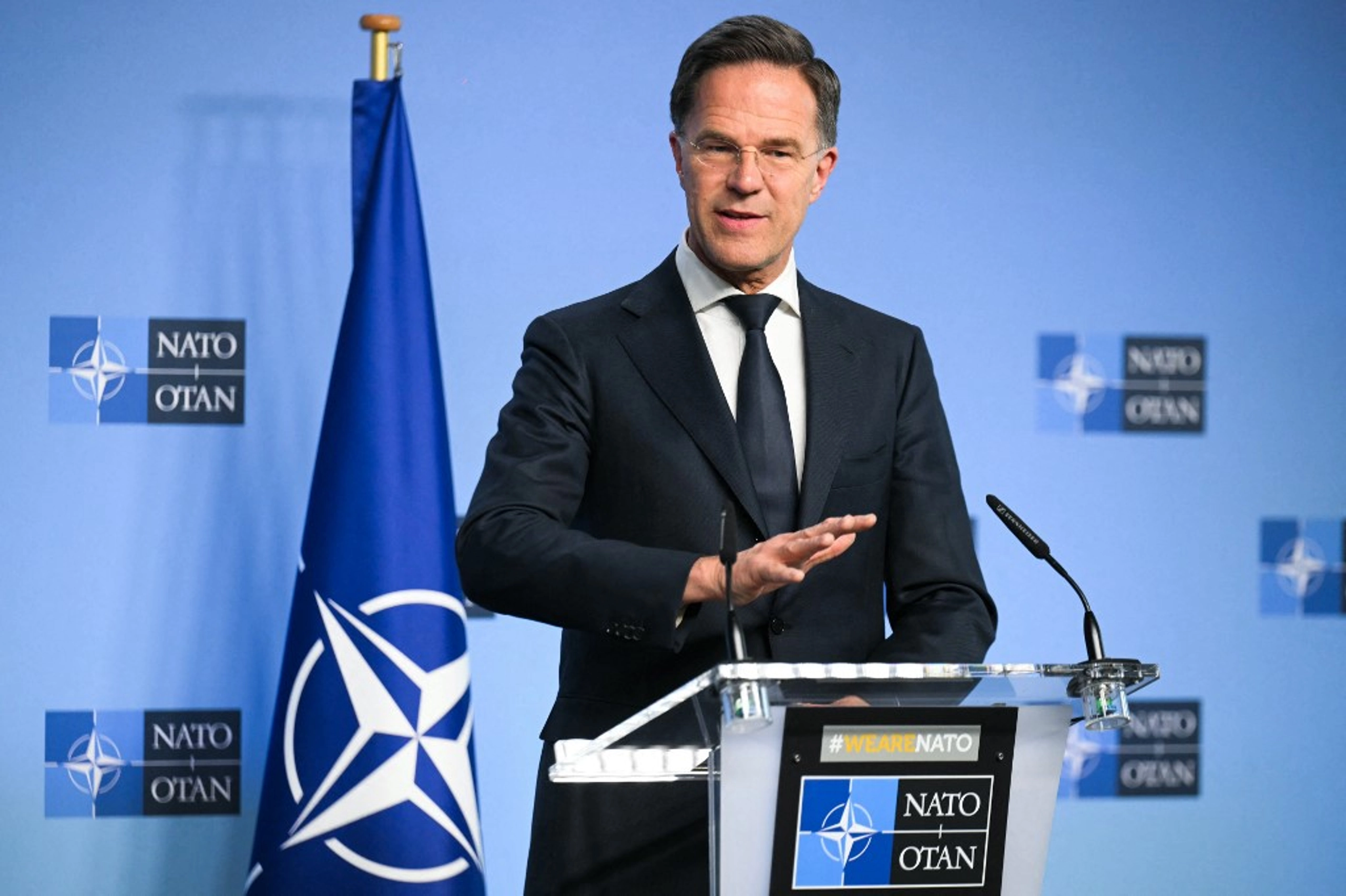
In response to US President Donald Trump’s threats that he would withdraw from NATO commitments if members don’t increase their defense spending, European allies are looking for ways to boost their respective percentages.
Reuters reported on Friday that the new target number for allies was hovering close to five percent of GDP, as suggested by US Secretary of State Marco Rubio, much higher than the non-binding guideline of two percent (which many allies have failed to meet in recent years), and also more than the top spenders are registering.
JOIN US ON TELEGRAM
Follow our coverage of the war on the @Kyivpost_official.
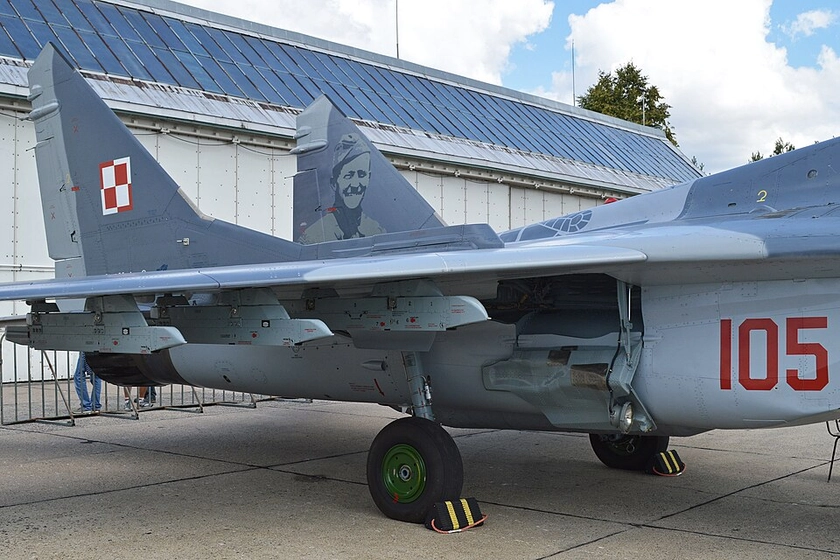
While the US has been the Alliance’s leader in defense spending for most of the past 40 years, in 2023, Warsaw surpassed Washington with 3.83 percent of GDP, compared to the US at 3.36 percent.
Meanwhile, that same year, Luxembourg registered about 0.75 percent, followed by Belgium at 1.21 percent and Canada at 1.29 percent. In all, at least 21 countries in the 32-member treaty organization spent less than two percent of their GDP that year, including Germany at 1.52 percent in 2023, according to figures from the Peterson Institute.
Trump has complained about countries lagging in their commitments ever since his presidential campaign last year, but his new administration has stepped up the pressure, claiming that NATO economies more socialist in nature than the United States prefer to spending budgets on things like health care, education and pensions, while Trump’s administration has focused on gutting its relatively limited funding on those necessities at home.
Czech Party Seeks to Strip Zelensky of Country's Highest Honor
Trump’s suggestion to abandon the Alliance was met with an indignant response from NATO.
“Any suggestion that allies will not defend each other undermines all of our security, including that of the US, and puts American and European soldiers at increased risk,” said then-Secretary-General Jens Stoltenberg in a written statement to the media.
Under new Secretary General Mark Rutte, however, the question for European allies is what qualifies as “defense” spending.
Among those new line items would be: military aid to Ukraine, repurposing bridges and roads for military needs, civilian development of dual-use technologies, and critical infrastructure protection are all left out.
“This calculation naturally favors any country going on massive shopping sprees, like Poland, or the US, where troops’ pay and pensions bump up the numbers,” noted Euractiv.
Rutte’s plan, Reuters reported, would be to boost traditional defense spending to 3.5 percent and introduce a further 1.5 percent target for broader security-related spending, for a total of five percent.
You can also highlight the text and press Ctrl + Enter