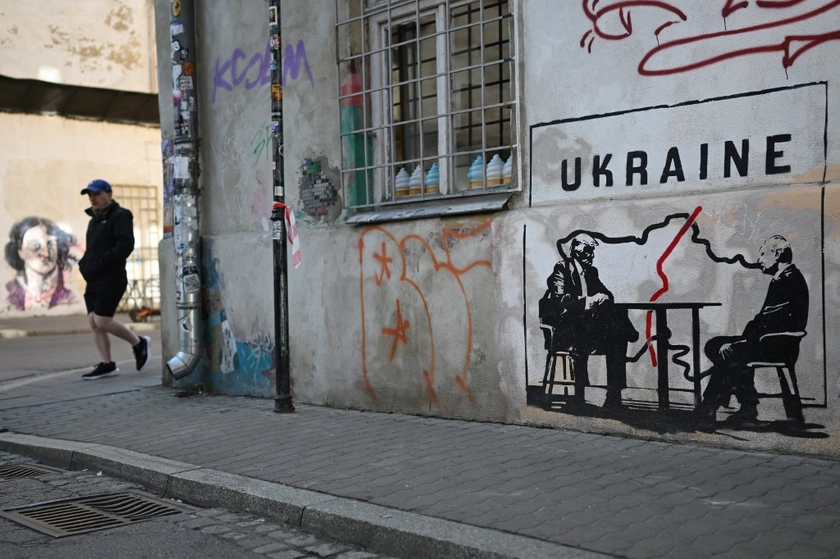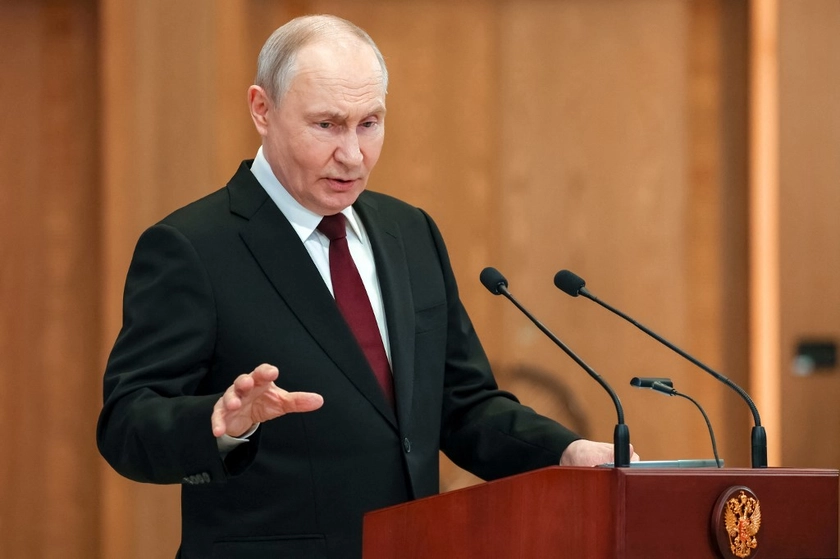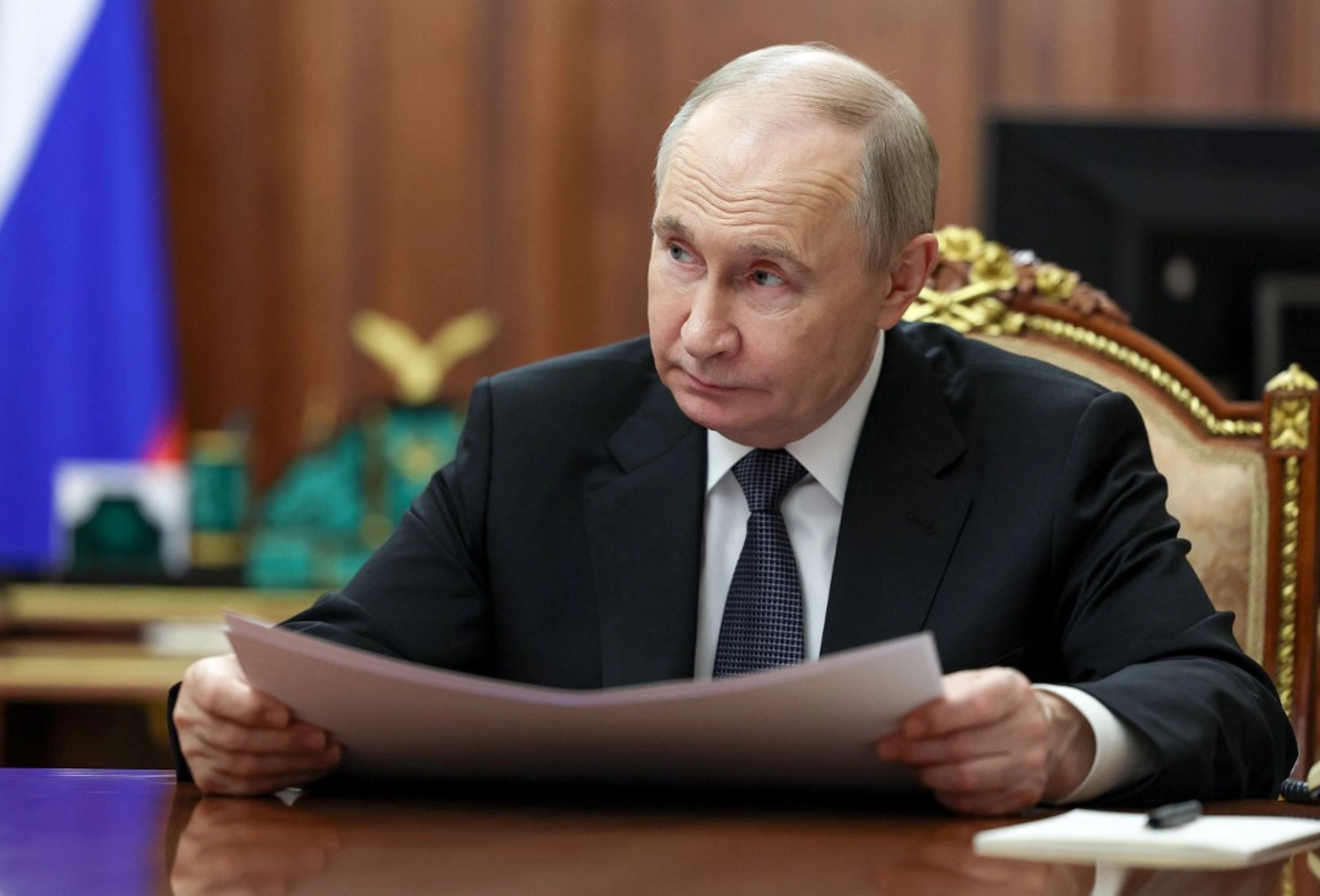
As talks of a new ceasefire continue, and President Volodymyr Zelensky agreed to meeting with the Russian side in Turkey for negotiations, Kremlin leader Vladimir Putin continues to demand that any such deal address perceived “root causes” of his invasion of Ukraine.
Putin said at a press conference in Moscow over the weekend, responding to a joint US-Ukrainian-European proposal for a general ceasefire at least 30 days long beginning on May 12, that the purpose of renewed bilateral Russian-Ukrainian negotiations would be to “eliminate the root causes” of the war in Ukraine, the Institute for the Study of War (ISW) reported.
JOIN US ON TELEGRAM
Follow our coverage of the war on the @Kyivpost_official.
Putin suggested that Russia and Ukraine could pursue a ceasefire as part of these renewed negotiations, but claimed that a “real truce” should not enable the “rearmament” and “replenishment” of the Ukrainian military.
ISW analysts wrote: “The Kremlin has repeatedly claimed that Russia must eliminate the ‘root causes’ of the war in Ukraine, which Russian officials have defined as NATO’s alleged violation of commitments not to expand into Eastern Europe and along Russia’s borders in the 1990s, 2000s, and 2010s, and the Ukrainian government’s alleged discrimination against ethnic Russians and Russian language, media, and culture in Ukraine.”
“Calls for the elimination of these alleged ‘root causes’ and limitations on Ukraine’s force generation capabilities are in line with Putin’s demands for Ukrainian neutrality, as well as Putin’s pre-war demand that would have required NATO to roll back to its pre-1997 borders.”
‘Negotiations’ Are Traps – How Russia Tweaks Language to Deceive the West
Both the Wall Street Journal and the New York Times have reported that they had obtained several versions of the draft protocols from the April 2022 Ukrainian-Russian peace negotiations in Istanbul, demanding that Ukraine forego its NATO membership aspirations or any other plans to join a military alliance or host foreign soldiers.
The ISW also contends that, in preparation for talks, the Kremlin has intensified its engagement with Western media to message directly to the Trump administration and American public and portray Russia’s terms for Ukraine’s surrender as reasonable.
The Kremlin’s efforts have even made the rounds on liberal-leaning American users’ social media accounts.
The Institute suggested that Putin’s press conference and Kremlin Spokesperson Dmitry Peskov’s recent interviews with Western media are part of an attempt to inject Kremlin narratives into the Western information space. The goal is to convince the West that Russia could conquer all of Ukraine militarily and scare Ukraine and the West into conceding to Russia’s demands.
“The rhetorical posturing is an attempt to conceal limitations in the Russian military’s capabilities and distract from Russia’s failure to make any significant progress on the battlefield over the last two years,” ISW analysts wrote.
You can also highlight the text and press Ctrl + Enter

Kremlin to Review Viral Video Alleging Army Abuses