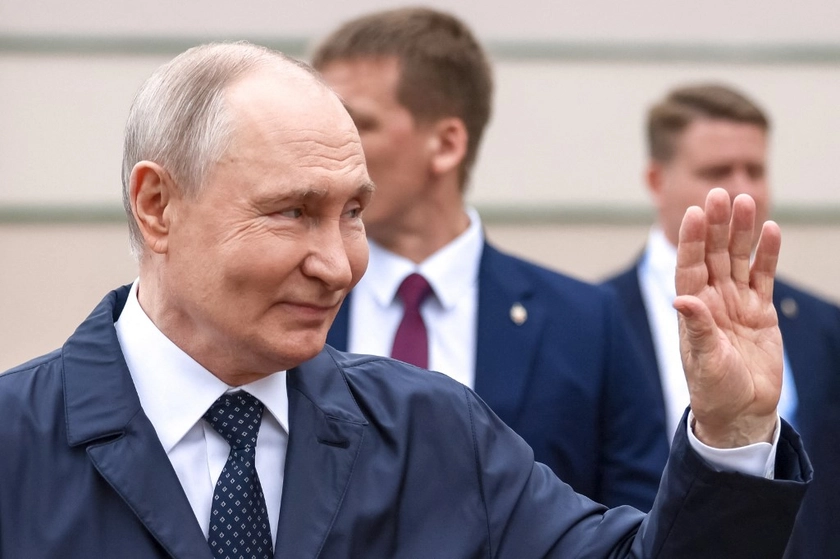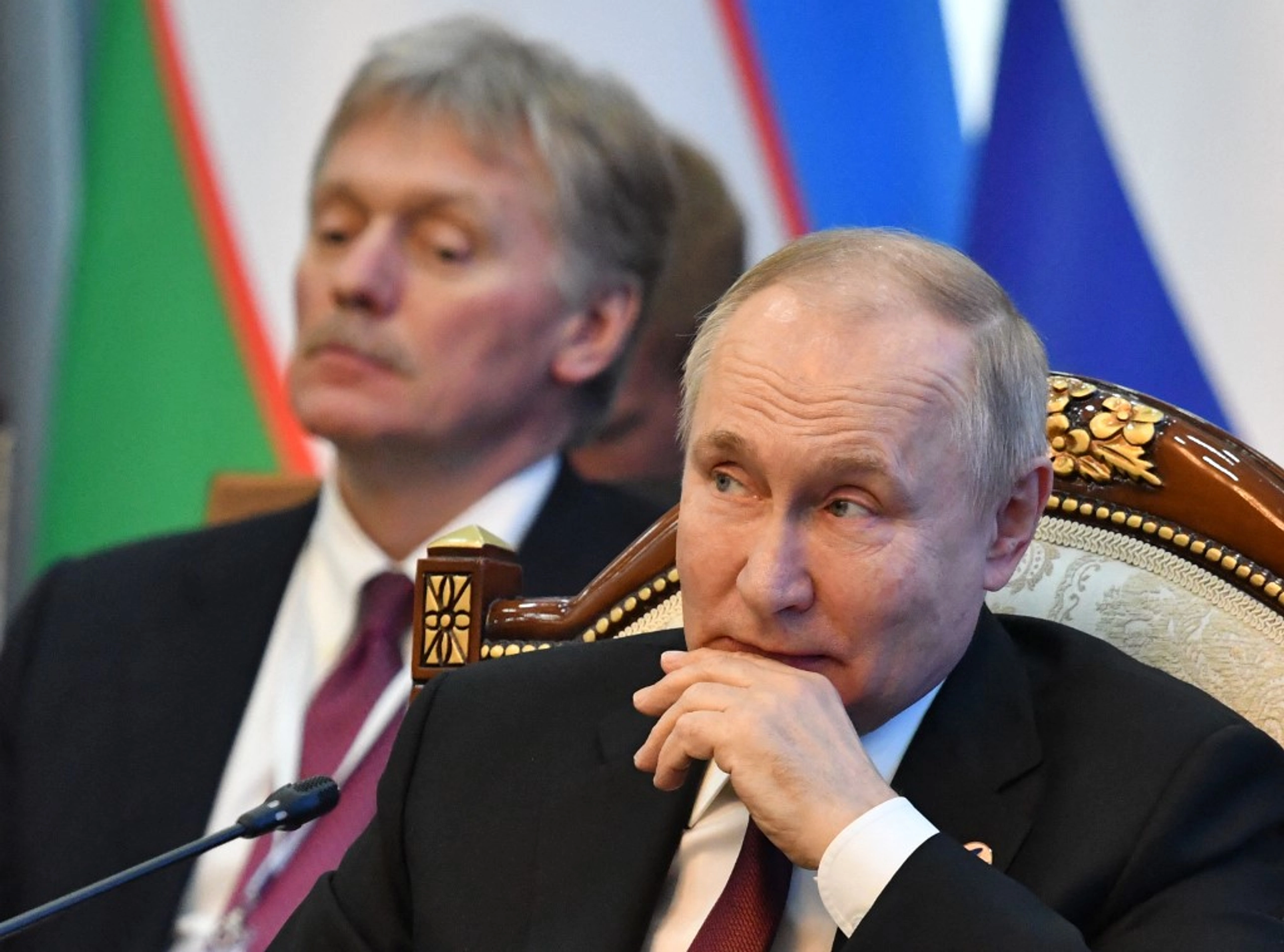
Shortly after midnight on Sunday, Moscow time, Russian President Vladimir Putin held a surprise press conference. After thanking international partners, he called for a global coalition to combat “fascism.”
Then, without transition, Putin proposed direct, unmediated peace talks with Ukraine in Istanbul.
JOIN US ON TELEGRAM
Follow our coverage of the war on the @Kyivpost_official.
The announcement came amid rising concern. The US Embassy in Kyiv had just warned of a possible large-scale aerial assault on Ukraine. Some analysts hinted that Putin’s sudden shift in tone appears calculated: to justify escalation, but pivot to diplomacy as a distraction.
Hours later on Sunday, Pope Leo XIV responded from the Vatican. Delivering his first public blessing as pontiff before a crowd of 100,000 in St. Peter’s Square, he called for an immediate end to the war.
“Let everything possible be done,” he urged, “to achieve genuine, just, and lasting peace.”
Before becoming pope, as Bishop Robert Prevost in Peru, he had already called Russia’s invasion an “imperialist” act. His words now carry the full weight of the papacy.
Later that day, US President Donald Trump posted on Truth Social that Putin had proposed a meeting with Ukrainian President Volodymyr Zelensky in Turkey on Thursday.
Trump urged Ukraine to accept “immediately.”
Once confident he could broker a deal, Trump’s tone was more cautious, reflecting doubts over whether Putin intends to negotiate in good faith.
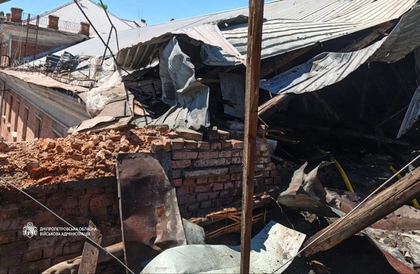
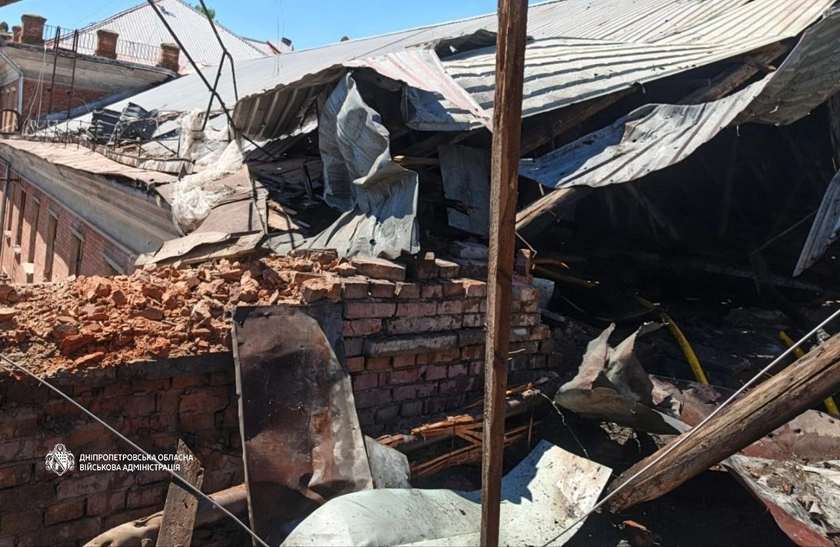
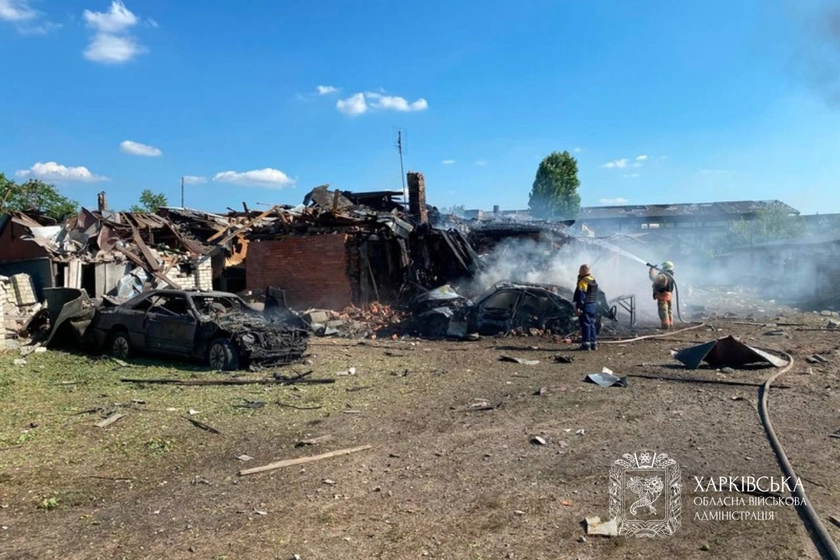
Russia Strikes 4 Districts in Dnipropetrovsk Region, Injuring 2
Zelensky responded swiftly. He confirmed Ukraine’s readiness to attend the talks and restated that a full ceasefire is a necessary precondition.
“There is no point in prolonging the killings,” he wrote. “I hope the Russians won’t look for excuses.” He added that he would personally be in Istanbul on Thursday.
Two senior Ukrainian officials emphasized Ukraine’s adherence to all Western expectations, speaking to Kyiv Post,
“We’ve done everything the White House asked,” one said. “Now, by speaking one-on-one – or refusing to show up – it’ll be clear who is bluffing.”
The same official said the Turkey summit presents a key opportunity for Turkish President Recep Tayyip Erdoğan.
“This is Erdoğan’s moment to flex geopolitical muscle,” the official said, citing previous remarks in which Putin praised Erdoğan’s independent posture.
A second official added that Ukraine has been a faithful partner to the US and accused Moscow of using negotiations to delay, indicating that now it was time for Putin to act on what he’s pledged – or be exposed.
This week’s activity followed Russia’s May 9 Victory Day parade, in which the focus was less on internal power and more on international optics.
Among those standing beside Putin was Chinese President Xi Jinping. Observers interpreted the move as a sign of continued engagement, though not necessarily endorsement. Putin’s press conference, timed just hours after Xi’s visit, suggests the two may have spoken privately.
China is engaged in critical trade talks with the United States in Switzerland. These negotiations, centered on tariffs and market access, are seen as vital to Beijing’s post-pandemic recovery.
Russia represents only 3.9% of China’s trade. NATO countries account for more than 40 percent, with the US and EU at the core.
US Senator Lindsey Graham’s pending Russian sanctions legislation – imposing up to 500% tariffs on any country purchasing Russian oil, gas, or uranium – adds further pressure.
The measure poses a significant risk for China, a major importer of Russian energy. Beijing may offer rhetorical support to Moscow, but its economic calculations appear to be shifting.
Turkey’s role as host is also drawing attention. Analysts have long cited Turkey, China, and a small group of Arab states as potential intermediaries. Erdoğan could now position himself at the center of a possible diplomatic breakthrough.
In Europe, pressure remains coordinated. On Saturday, the leaders of France, Germany, Poland, and the United Kingdom visited Kyiv together, reaffirming Western unity and support for Ukraine’s sovereignty.
In Washington, bipartisan support for new sanctions is growing. Graham’s proposal is one of several gaining traction, as lawmakers seek to increase pressure on the Kremlin amid growing skepticism about its intentions.
Putin is now facing pressure on three fronts: diplomatic, economic, and strategic. With Ukraine committed to the process, attention now shifts to whether Russia will follow through on its stated willingness to engage.
The coming days may clarify whether Moscow is prepared to pursue a negotiated end to the war or whether its overtures remain rhetorical.
You can also highlight the text and press Ctrl + Enter