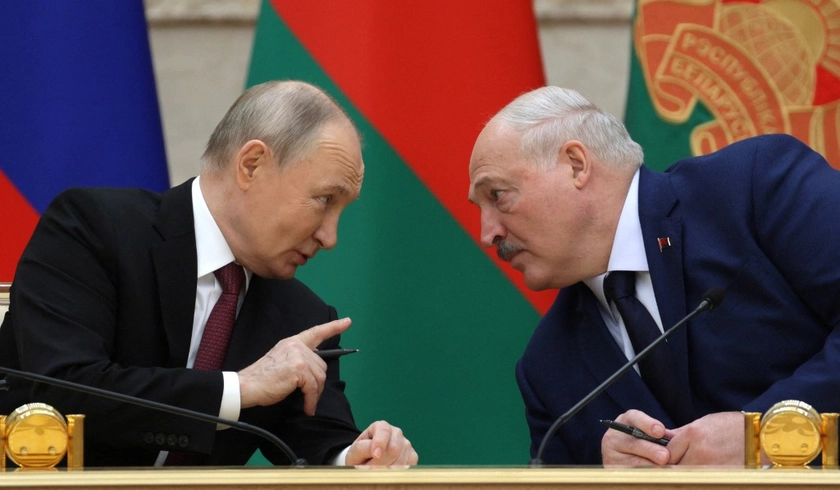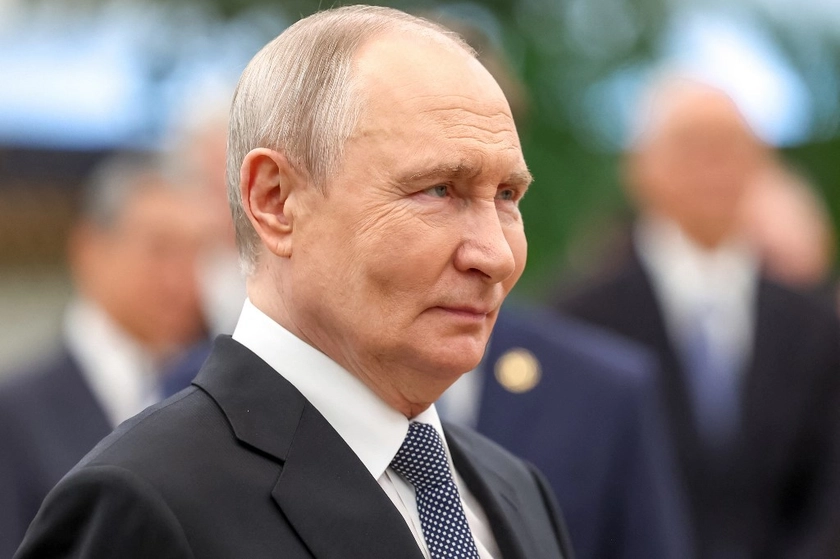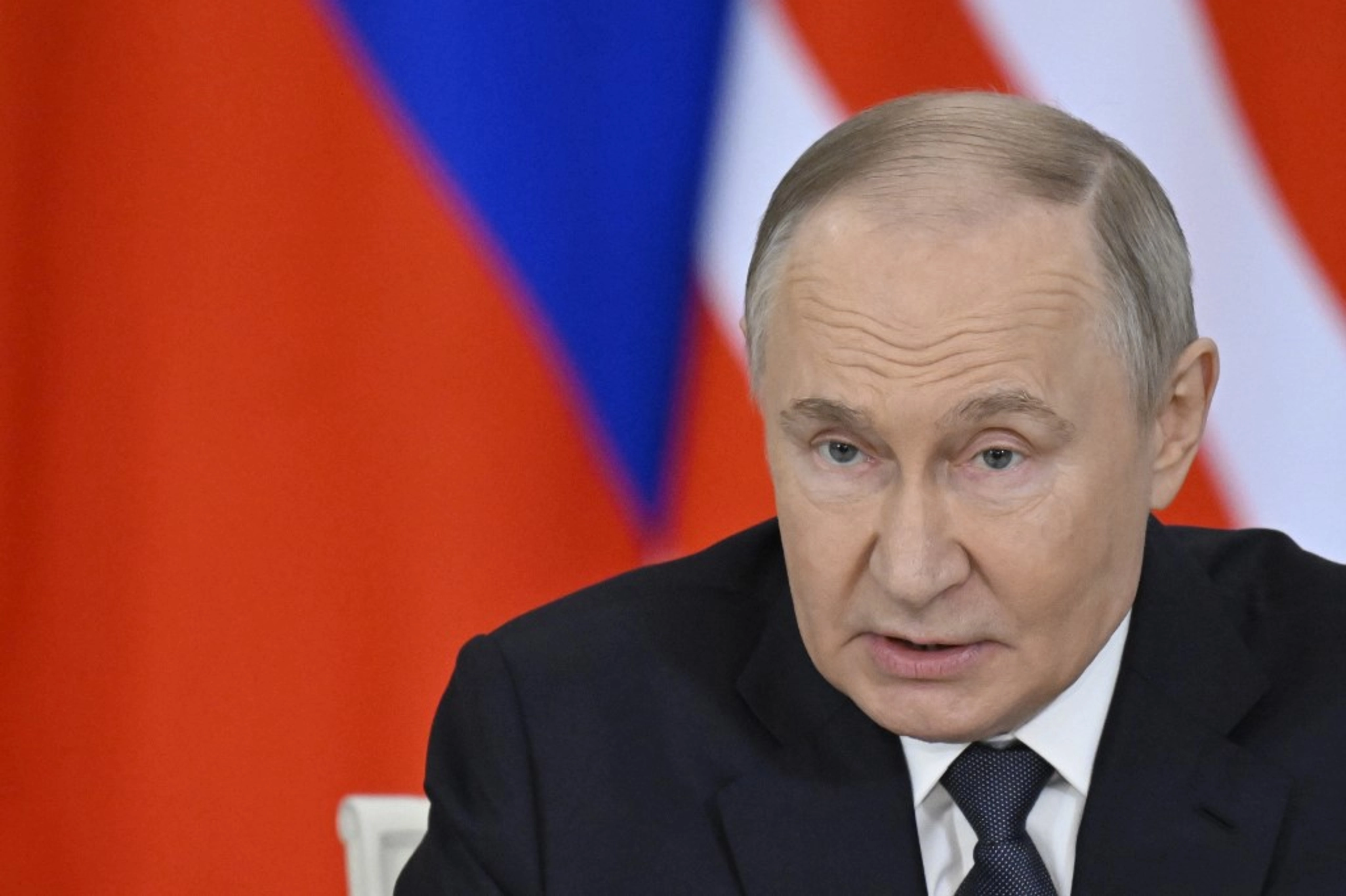
Russian President Vladimir Putin is heading into Monday’s call with US President Donald Trump believing that Russian forces will fully capture the four Ukrainian regions he claims as Russian territory – Donetsk, Luhansk, Zaporizhia, and Kherson – by the end of 2025.
According to a Bloomberg report citing a source familiar with Putin’s thinking, “Putin is confident that his forces can break through Ukraine’s defenses by the end of the year to take full control of four regions that he has claimed for Russia.” The source requested anonymity to discuss private conversations.
JOIN US ON TELEGRAM
Follow our coverage of the war on the @Kyivpost_official.
Putin’s confidence signals he is unlikely to make concessions when speaking to Trump, raising alarm in European capitals, where leaders fear Trump could try to push through a rushed settlement.
Despite international talk of a ceasefire, Putin continues to signal readiness for a long war.
“Trump wants Putin to agree to a truce, but he absolutely doesn’t want to,” said Kremlin-linked political analyst Sergei Markov. “But Putin isn’t interested in a collapse of the talks. He’s trying to maneuver so that these negotiations continue alongside the military offensive.”
The Kremlin sees no urgent reason to alter its strategy, even in the face of potential new US sanctions. Two sources close to the Kremlin told Bloomberg that Putin is calm about the threat of further sanctions and is prepared to continue the war if necessary.
Russian Hardliners Urge Putin to Quit US Talks
Putin’s battlefield optimism conflicts with Western assessments. European officials say that after more than three years of heavy losses, Russia lacks the capability to achieve Putin’s objectives.
“The probability of Russia achieving its objectives of conquering those four regions by the end of this year is very low,” said Ben Barry, senior fellow for land warfare at the International Institute for Strategic Studies.
“If Ukrainian defense collapses, then it would be very easy to gain such an advantage, but at the moment, such a scenario seems very unlikely,” he added.
That doubt is reportedly shared within Russia’s ranks. A source close to the Defense Ministry said many Russian troops fighting in Ukraine are skeptical about achieving a breakthrough, especially given the damage inflicted by Ukraine’s drone strikes, which have made large-scale offensives both costly and ineffective.
Still, Trump has said he will speak with Ukrainian President Volodymyr Zelensky and NATO allies after his call with Putin.
On Friday, Trump spoke with German Chancellor Friedrich Merz, French President Emmanuel Macron, and UK Prime Minister Keir Starmer. A senior European official said the leaders tried to convince Trump that “Putin has been stringing him along,” warning that he risked appearing weak if he pushed Kyiv into a bad deal.
“Putin has been emboldened by his ability to make maximalist demands of Ukraine without experiencing any serious pushback from the Trump administration,” said Bota Iliyas, a senior analyst at London-based Prism.
“Putin doesn’t trust Trump. But he will push Trump to align with Russia’s vision for a ceasefire,” he added.
A follow-up call between Trump, Merz, Starmer, Macron, and Italian Prime Minister Giorgia Meloni took place Sunday. According to Starmer’s spokesperson, they stressed “the need for an unconditional ceasefire and for President Putin to take peace talks seriously.”
“The risk for Putin is that he overplays his hand and prompts Trump to make good on his threat of more sanctions to end what the US president has called the ‘bloodbath’ in Ukraine,” Bloomberg wrote.
US officials have indicated that Trump may allow a sanctions bill sponsored by Republican Senator Lindsey Graham to move forward if Russia refuses to budge.
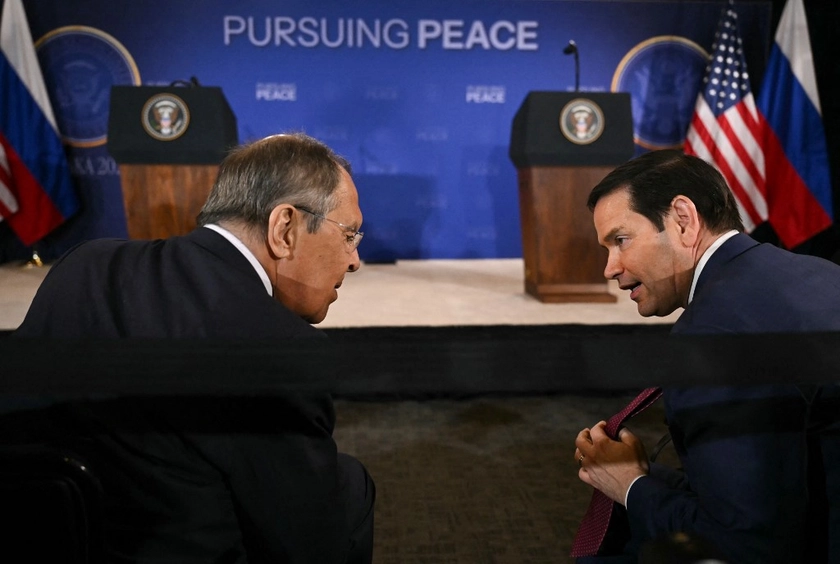
“We’ve advised the Russians repeatedly, now for almost two months, that this was coming if no progress was made. So I think that’s just coming to fruition now,” said US Secretary of State Marco Rubio on CBS’s Face the Nation.
Finnish President Alexander Stubb, who played golf with Graham and Trump in March, said at the Tallinn conference he is “carefully optimistic” the bill will be put forward next week. “It depends on how the conversation goes with Putin and Trump on Monday,” he added.
You can also highlight the text and press Ctrl + Enter

Attack on Moscow Oil Refinery: Putin Under Pressure?