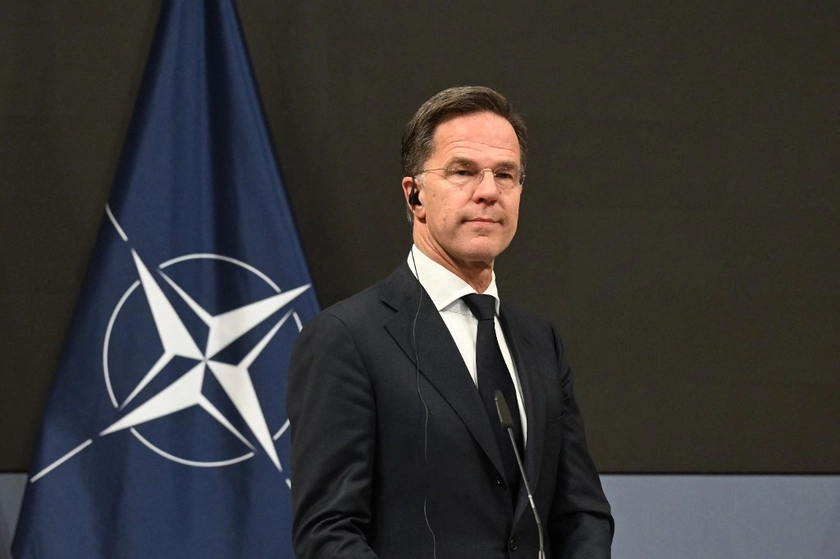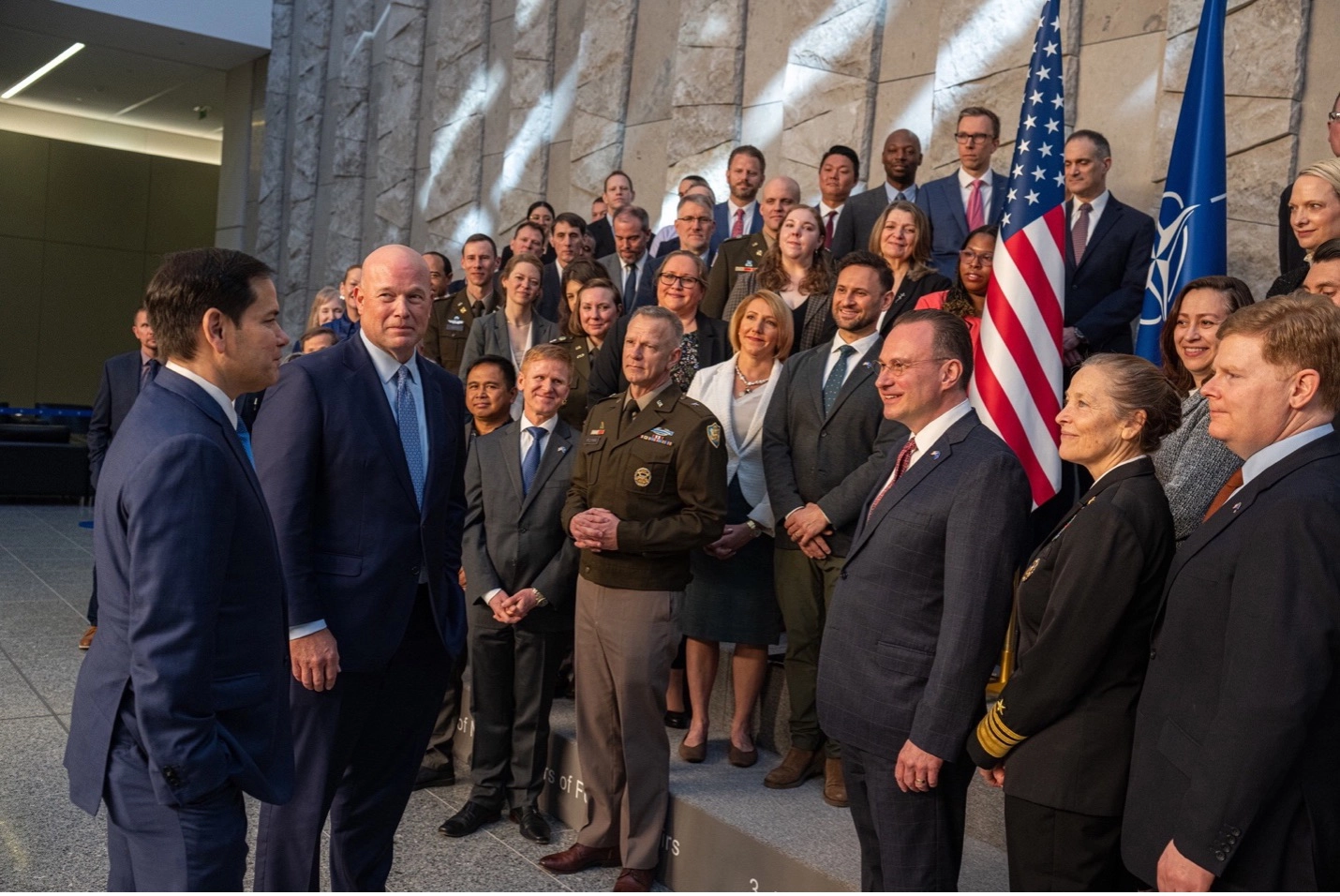
US Ambassador to NATO Matthew Whitaker on Wednesday has urged allies to commit to investing at least five percent of their GDP on defense – as he put it: “starting now.”
Speaking to reporters during a virtual press call ahead of this week’s NATO’s defense ministerial in Brussels, Whitaker said the US expects every ally “to step up with concrete plans, budgets, timelines, deliverables,” to meet the new target.
JOIN US ON TELEGRAM
Follow our coverage of the war on the @Kyivpost_official.
The ambassador stressed the urgency of modernizing NATO’s forces and infrastructure to counter threats from Russia and China. “The urgency of this moment is undeniable,” he said.
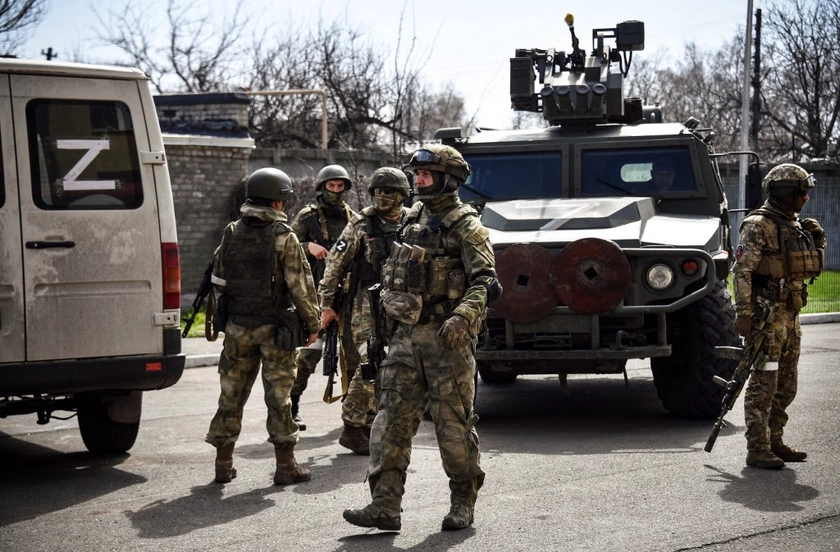
He then explained: “As the Russia-Ukraine conflict grinds on, Moscow is already preparing for its next move. We are already seeing the Kremlin aim to rebuild its military. NATO allies must outpace Russia. We have no other choice. Let me be clear, the time is now.”
Whitaker reaffirmed Washington’s commitment to NATO and Article 5. “The United States is committed to NATO, full stop,” he said.
“But we also think it’s reasonable that our allies be also committed to Article 3, which includes their individual defense and the collective defense,” he went on to add.
“We will continue to be a credible, serious partner in the Alliance,” Whitaker emphasized.
The ambassador also discussed the evolving nature of warfare, particularly drone warfare, and the need for NATO to adapt.
Italy, France Reject EU Proposal to Ban Ex-Russian Soldiers
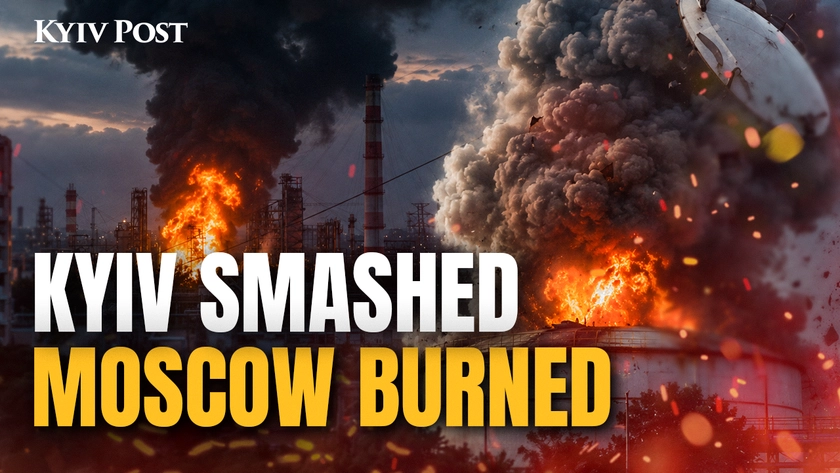
Asked by Kyiv Post about Ukraine’s recent successful operations deep inside Russia, Whitaker said the topic will be discussed in the NATO defense ministerial in which he would be taking part.
“This war needs to come to an end,” he went on to add, echoing the White House’s position.
“President Trump wants this war to end, and he knows that it’s not going to be a military solution to the end of this war. It has to be a diplomatic solution, has to be negotiated, and both sides need to come to the table and resolve this,” he concluded.
He also highlighted continued discussions with European allies on providing military resources and political capital to support security guarantees for Ukraine.
You can also highlight the text and press Ctrl + Enter
Attack on Moscow Oil Refinery: Putin Under Pressure?