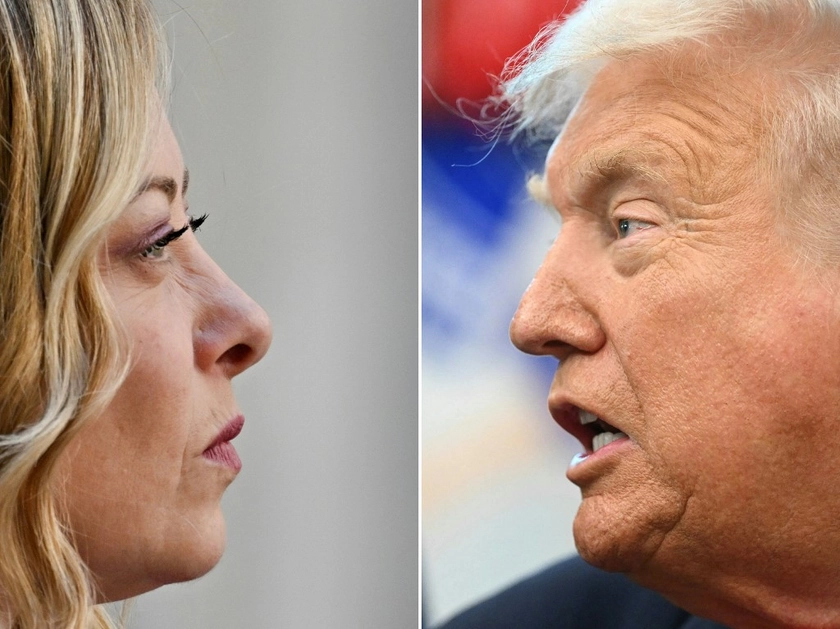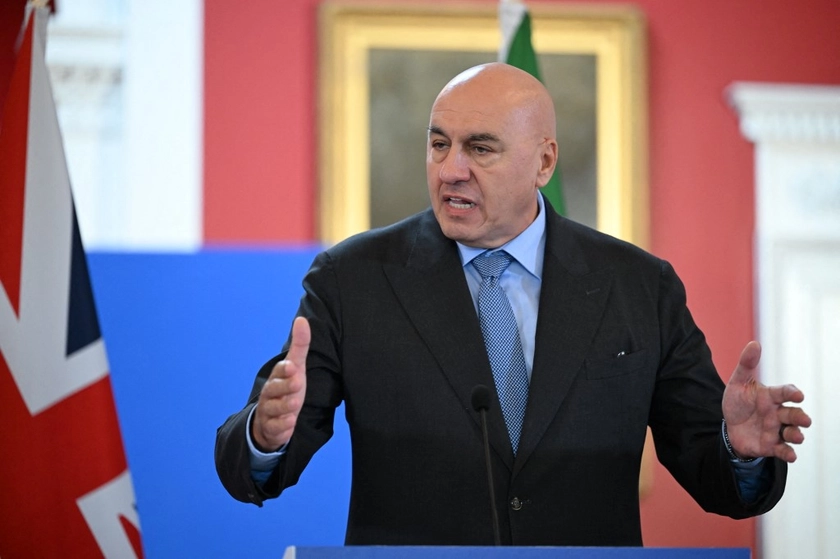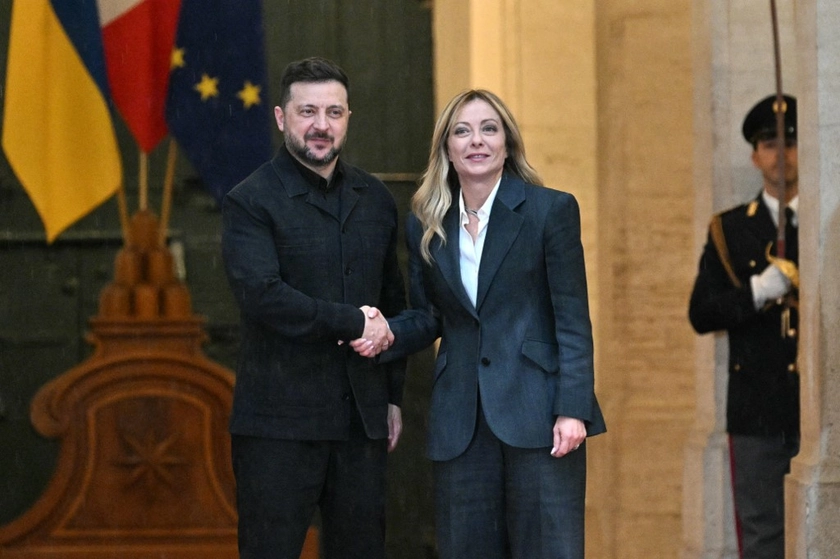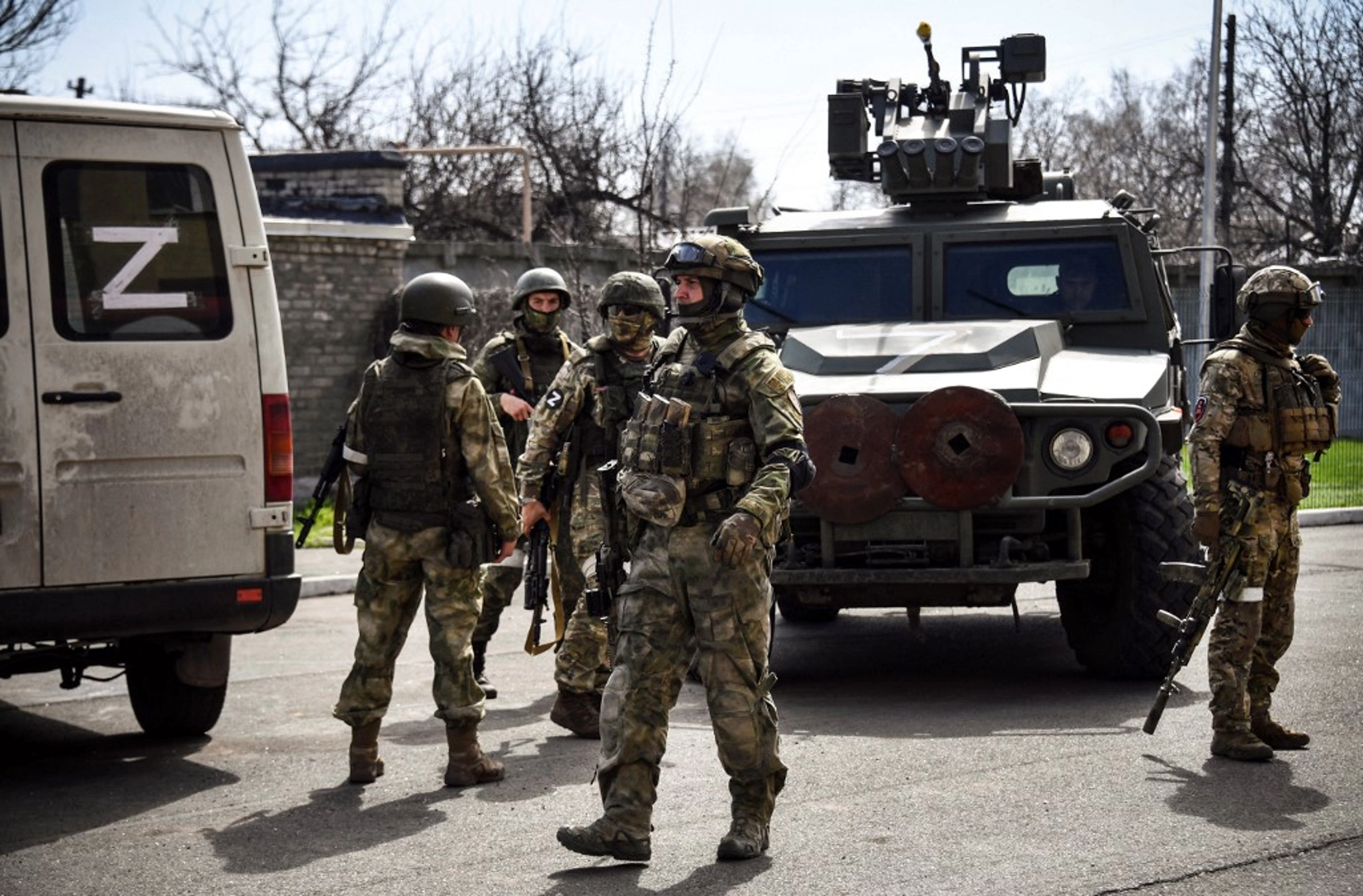
Italy and France are resisting the European Union’s proposal to ban former Russian combatants from entering the bloc, raising concerns about the measure and fearing it could lead to a blanket prohibition on Russian citizens.
According to Bloomberg, citing sources who spoke on the condition of anonymity, the two countries’ reservations surfaced ahead of a Friday meeting among EU member states to discuss the proposed 21st sanctions package targeting Russia for its war against Ukraine.
JOIN US ON TELEGRAM
Follow our coverage of the war on the @Kyivpost_official.
Rome and Paris are not opposed to barring Moscow’s former soldiers, the sources said. However, they argued that the targeted travel ban may be handled more effectively through visa policy rather than sanctions.
They have also raised a practical concern – the EU’s proposal would leave it up to individual member states to determine which citizens have fought in the war – a determination deemed far from straightforward.
A broader package in dispute
The ban on ex-combatants is just one element of a wide-ranging sanctions package that also aims to freeze the EU’s price cap on Russian oil, restrict Moscow’s energy revenues, and impose additional controls on banks, cryptocurrency operators, and tankers that help Russia circumvent existing restrictions.
The oil price cap has become a particular sticking point. Under current EU rules, the price cap automatically adjusts every six months to remain 15% below the average market price of Russian Urals crude.
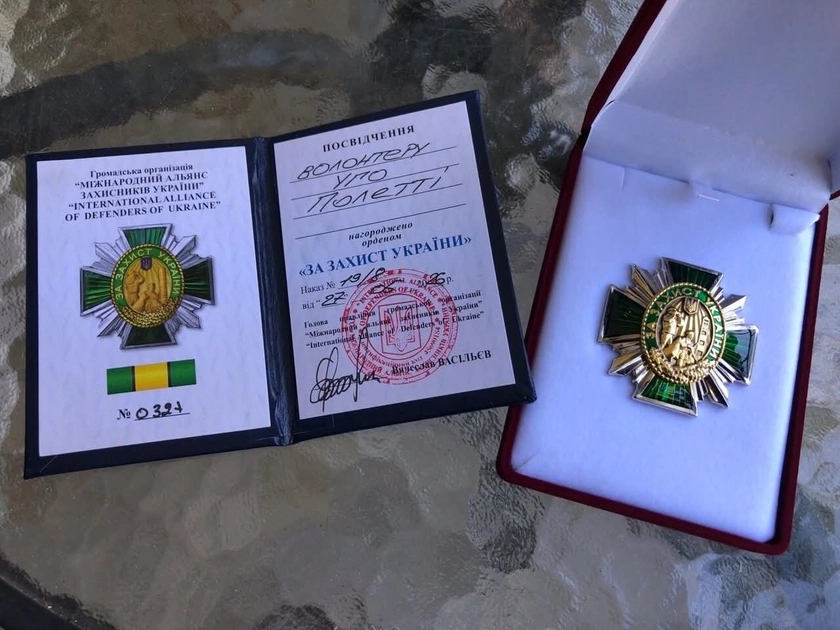
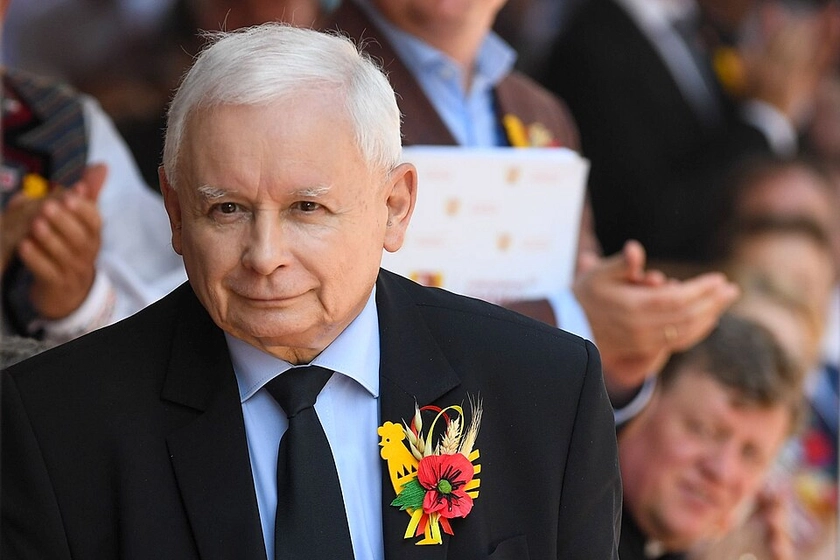
Polish Opposition Leader to Return Ukrainian Order, Calls for EU Accession Block
With fuel prices skyrocketing following the war in the Middle East, the floating cap could rise to at least $65 per barrel (approximately $0.41 per liter) after a July review, well above the current $44.10 limit (about €0.244 per liter).
Authorities are now weighing either freezing the cap at its current level or resetting it to the previous $60 per barrel ceiling (€0.442 per liter), though maritime nations have reportedly raised reservations about both options.
LNG shadow fleets, critical minerals and fish
Another disputed proposal would extend the sanctions regime currently applied to ships carrying Russian oil to vessels transporting liquefied natural gas (LNG), which the EU is phasing out in a bid to prevent Moscow from building a similar shadow fleet.
However, some member states are pressing for a longer transition period.
A number of capitals have also raised concerns about plans to limit imports of Russian fish. Trade restrictions on critical minerals, metals, and ores have also faced pushback, alongside export controls targeting roughly two dozen companies – including those in China, India, Turkey and Central Asia, accused of supplying Russia with goods used in weapons production.
The EU council adopted a new sanctions package on June 15, listing an additional 34 individuals and 47 entities tied to Russia’s military-industrial complex, shadow fleet, propaganda network, and human rights violations.
“These measures strike at the heart of Russia’s military-industrial complex, its shadow fleet, and the networks that fuel Moscow’s hybrid attacks against Europe,” said EU foreign policy chief Kaja Kallas, adding that work is underway on the broader 21st sanctions package.
Ukraine’s role in EU’s defense future
Ukraine’s battlefield experience is increasingly seen as a strategic asset for EU security, and as it moves closer to EU membership – with Brussels opening its first negotiation cluster on June 15 and Kyiv targeting full accession criteria by 2027 – the country is already reshaping European defense.
“Ukraine is not only defending itself,” Estonia’s Prime Minister Kristjan Michal said, “it is making Europe safer, stronger and faster,” as Nordic-Baltic leaders pledged continued support and called for deeper defense-industrial cooperation.
Ukraine has also turned its battlefield lessons into shared knowledge by launching “TrophyLab” on June 19, a state platform that centralizes all technical data on more than 115 captured Russian weapons samples, giving approved international partners direct access to documentation, analysis and physical hardware for testing.
“Every missile, drone, and vehicle seized on the battlefield is now a source of knowledge for the free world,” Defense Minister Mykhailo Fedorov said.
You can also highlight the text and press Ctrl + Enter

Attack on Moscow Oil Refinery: Putin Under Pressure?