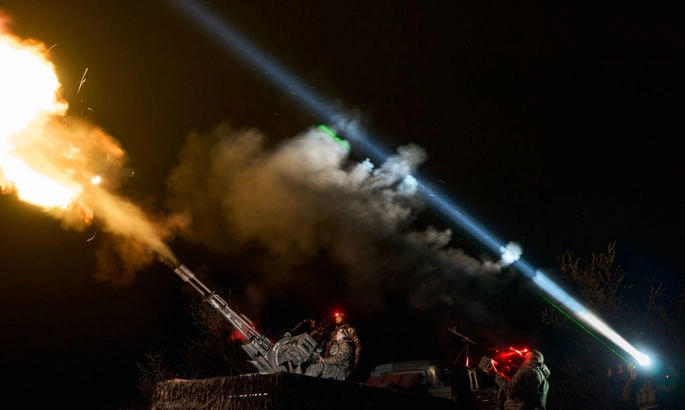
Russia has once again adjusted its drone warfare tactics against Ukraine, launching record-breaking waves of deadly Shahed drones at higher altitudes, making them significantly harder to intercept.
According to the CNN report, seven of Russia’s largest drone attacks in the war have occurred in the past four weeks alone, as Moscow increases both the volume and complexity of its assaults.
JOIN US ON TELEGRAM
Follow our coverage of the war on the @Kyivpost_official.
Christina Harward, a Russia analyst at the Institute for the Study of War (ISW), said Russia can now produce around 2,700 Shahed drones per month, alongside 2,500 decoy drones, flooding Ukrainian skies and stretching defenses thin.
“These numbers are allowing Russia to more frequently launch over 300 or even 400 drones in just one night,” Harward told CNN.
Russia’s use of decoy drones forces Ukraine to either waste valuable resources or lose precious time identifying false targets, she added. Either way, this paves the way for real Shahed drones and missiles to penetrate Ukrainian defenses.
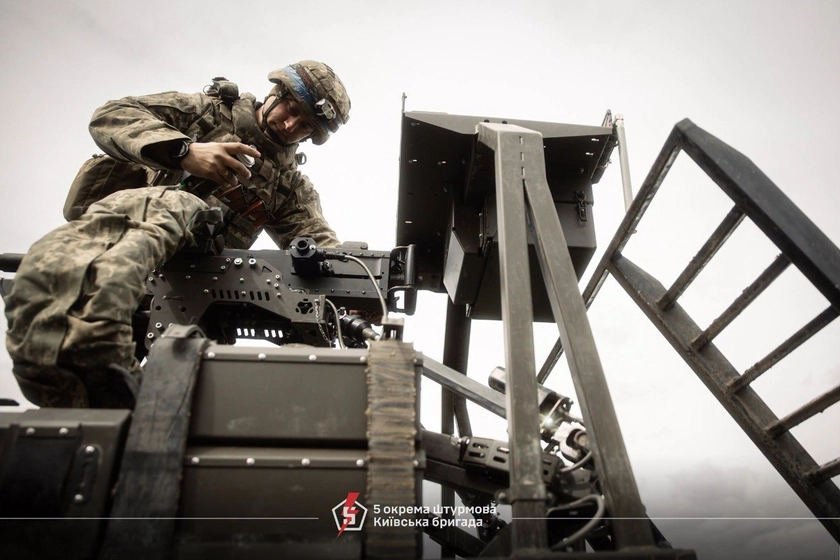
The new tactic has severely challenged Ukraine’s air defenses. Russian drones are now flying as high as 5 kilometers (3 miles), well beyond the reach of machine guns, and forcing Ukrainian forces to rely on its more expensive, limited air defense missiles.
“There are many more drones. This is an objective fact. And, of course, the more there are, the harder it is to work against them,” said Yuriy Chumak, a Supreme Court judge who also serves in a Kyiv based night-time volunteer drone-hunting unit.
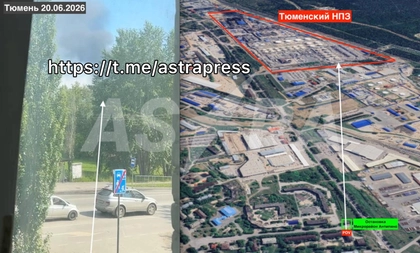
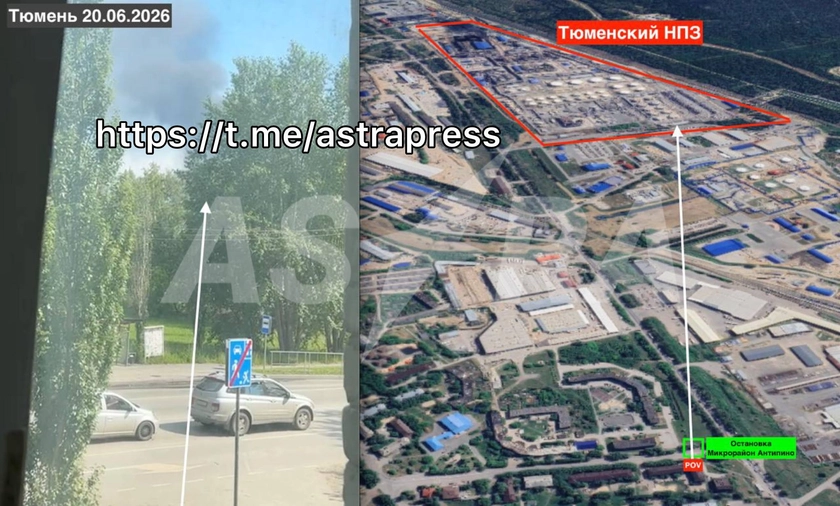
Drones Target Tyumen Oil Refinery Deep Inside Russia
Previously, Russian drones flew low along riverbeds to avoid radar detection, but Chumak said Russia now sends drones high into the sky, where they can be tracked but not shot down with small arms.
“We can see them all. Radars can track them. But it has become impossible to shoot them down with machine guns,” he said.
Ukraine’s missile stockpiles are limited, and the shift in Russian tactics is making interception much harder. Air defense efficiency has dropped from around 95% to 80%, according to Ukrainian officials.
Ukraine has begun using drone-to-drone interceptors to help fight off the aerial onslaught, President Volodymyr Zelensky said last month.
But Russia’s production far outpaces Ukraine’s: Moscow reportedly manufactures three times as many drones a day than Ukraine.
“The issue is no longer about production capacity. It’s financial,” Zelensky said.
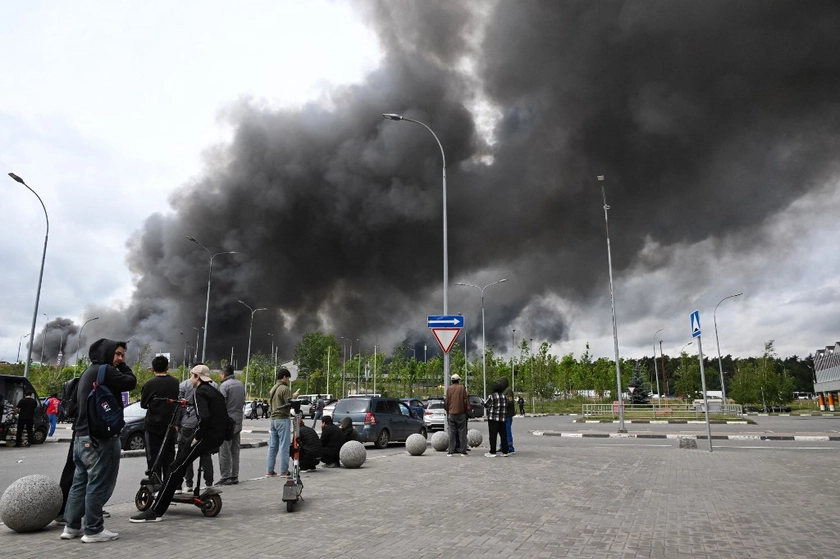
Russia denies targeting civilians, but according to CNN, at least 154 Ukrainian civilians – including children – have been killed by drones, missiles, and artillery in the past month, with nearly 900 more injured.
“The deadly attacks are designed to undermine Ukrainian morale and create the illusion that Russia has the upper hand in the war – even though Moscow is far from ‘winning’,” the CNN report reads.
However, the front line has barely shifted since Ukraine liberated Kherson in November 2023, and Moscow’s gains remain minimal.
AFU Junior Sgt. Stanislav Bunyatov, call sign “Osman,” reacting to Sunday’s massive Russian drone attack, wrote:
“Why have our skies become less protected than before? First, the reserves of missiles for systems like Patriot, NASAMS, and IRIS-T are being depleted much faster than partners can replenish them.”
Bunyatov revealed that Russian forces have adapted their tactics to bypass Ukraine’s air defenses by combining drones and missiles in coordinated attacks, launching strikes from multiple directions at once, and deploying large numbers of decoys and false targets.
He added that Ukraine’s air defenses remain heavily concentrated around major cities and critical infrastructure, leaving other areas more vulnerable.
“Some countries are artificially delaying the transfer of aid, exchanging cheap Russian resources for slowing down our assistance. Others are waiting for political approval from the Americans,” he wrote.
Bunyatov also warned that Iran-supplied drones, along with modernized Kalibr missiles, Kh-101s, and Kh-69s, are now increasingly available to Russia.
“As a result, we see daily mass attacks, civilian deaths, and the destruction of homes and infrastructure,” he added.
You can also highlight the text and press Ctrl + Enter