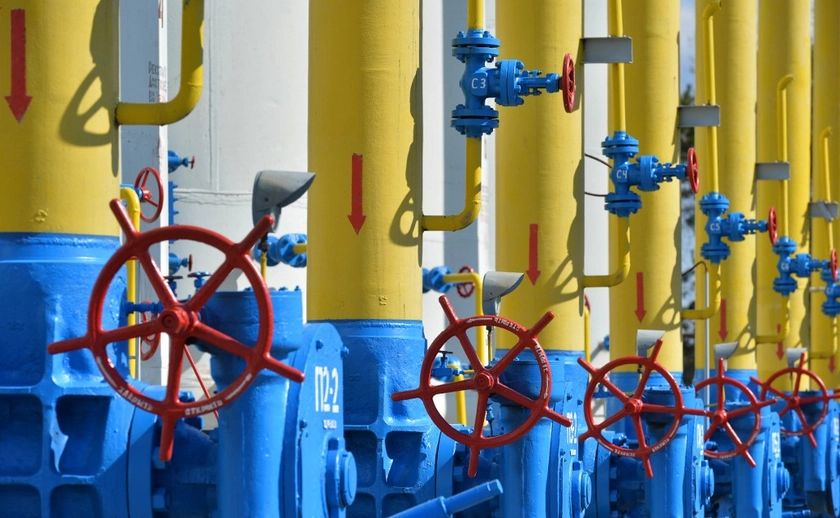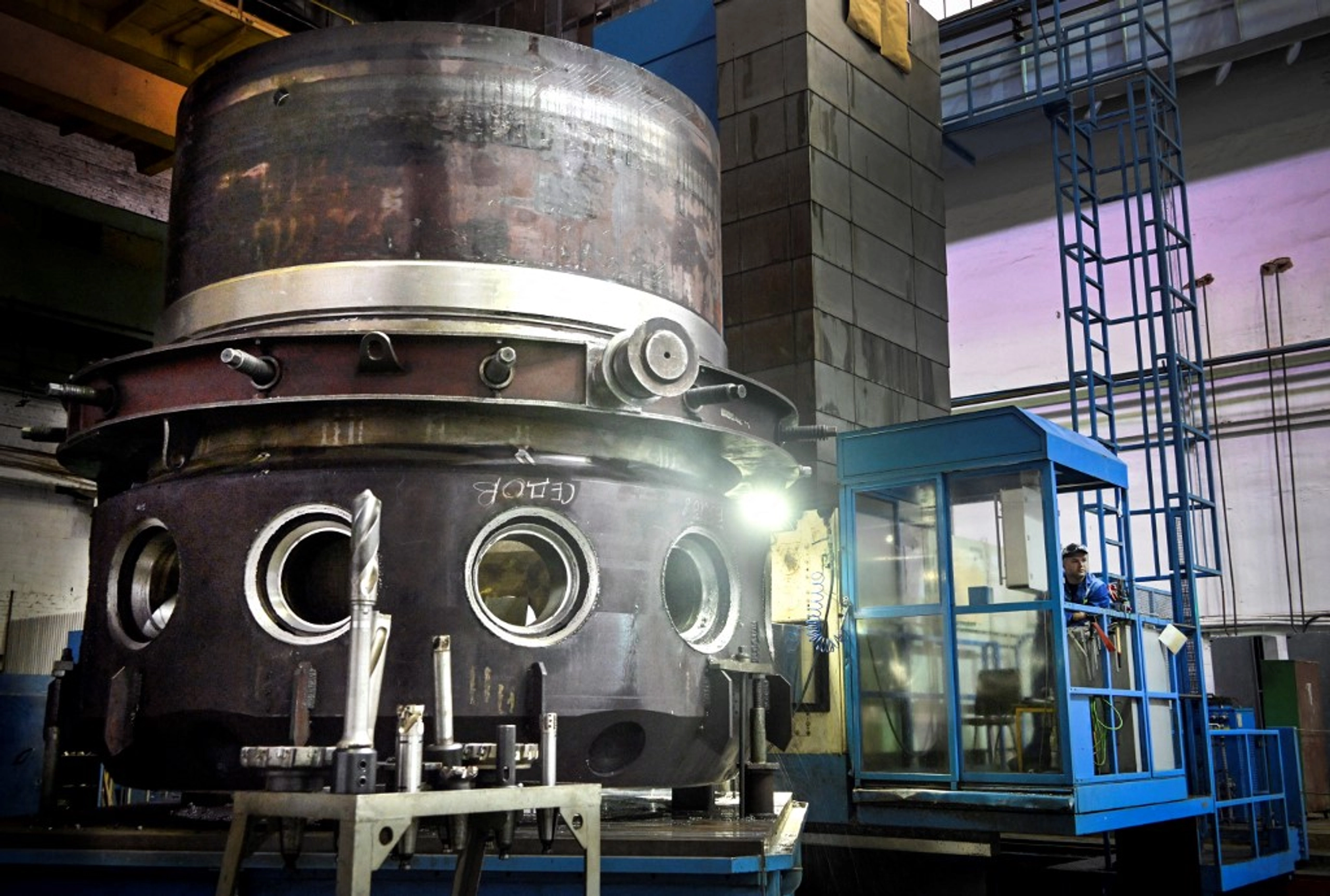
The European Union is moving to end all fossil fuel imports from Russia as part of its efforts to cut economic ties following Moscow’s full-scale invasion of Ukraine. Still, since the invasion began, EU countries have paid more than €200 billion ($232 billion) to Russia for energy supplies.
Imports of coal and oil are already banned under EU sanctions, and gas imports are planned to be phased out by 2027.
JOIN US ON TELEGRAM
Follow our coverage of the war on the @Kyivpost_official.
This week, the European Commission is expected to introduce new legal measures aimed at banning all fossil fuel imports from Russia, including oil, gas, and coal. However, the more complex issue of Europe’s dependence on Russian nuclear technology has been postponed.
According to the Financial Times, Russia earned €22 billion from EU countries in 2024 alone, including about €700 million ($811 million) from nuclear fuel. While nuclear energy makes up a smaller share of total energy imports, ending reliance on Russian nuclear supplies is a much more difficult challenge than cutting fossil fuels.
The EU operates 101 nuclear reactors, of which 19 use Soviet-designed VVER technology – the most reliant on Russian fuel, spare parts, and technical support. Around 20% to 25% of the uranium used in the EU also comes from Russia.
“Technically speaking, the uranium supply chain is very complex,” said an energy expert. Therefore, a gradual phaseout would be needed, he said.
Ukrainian Missile Campaign Now Reaches Across Half of Russia
EU officials say the bloc aims to stop importing Russian nuclear technology by the 2030s. But official documents show this will require at least €241 billion ($279 billion) in investments to build a European nuclear fuel supply chain.
EU energy ministers will discuss this issue at a special meeting on Monday, focusing on the future of nuclear energy and the investments needed to reduce Russian dependence.
However, replacing Russia’s dominant position in the nuclear market will be a major challenge.
“Rosatom is one of the largest companies across all sectors of nuclear energy,” a nuclear industry expert told the Financial Times.
Earlier reports have said that EU sanctions have had limited impact so far. In fact, Russia could earn more from exporting energy to the EU in 2025 than the EU plans to spend on military aid to Ukraine.
You can also highlight the text and press Ctrl + Enter