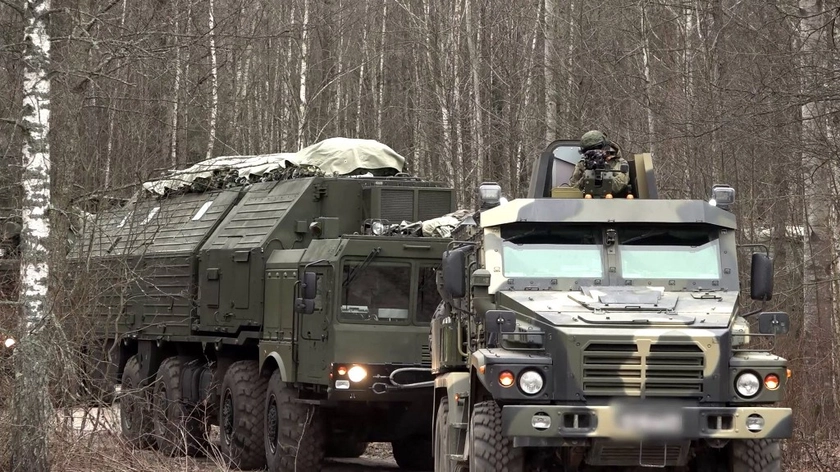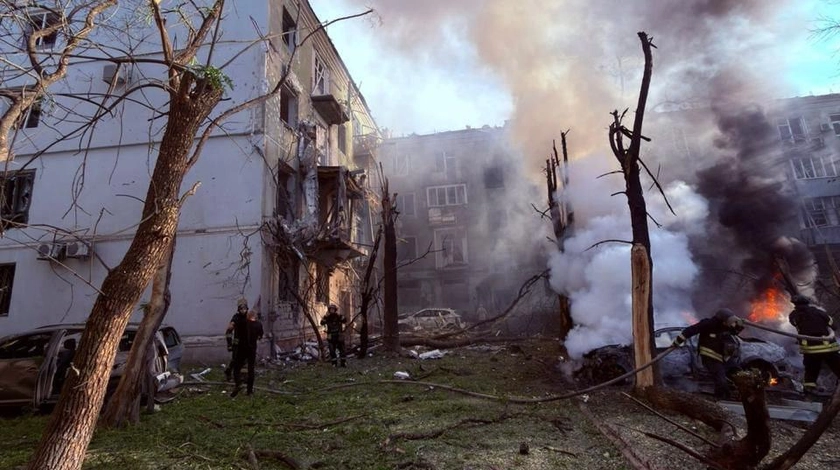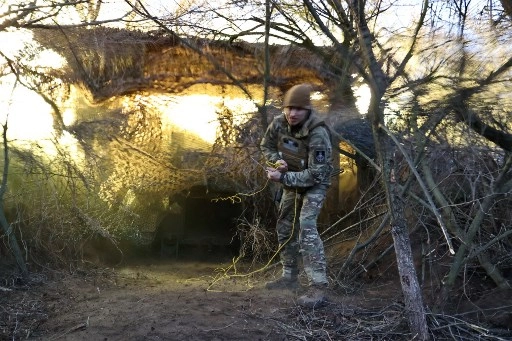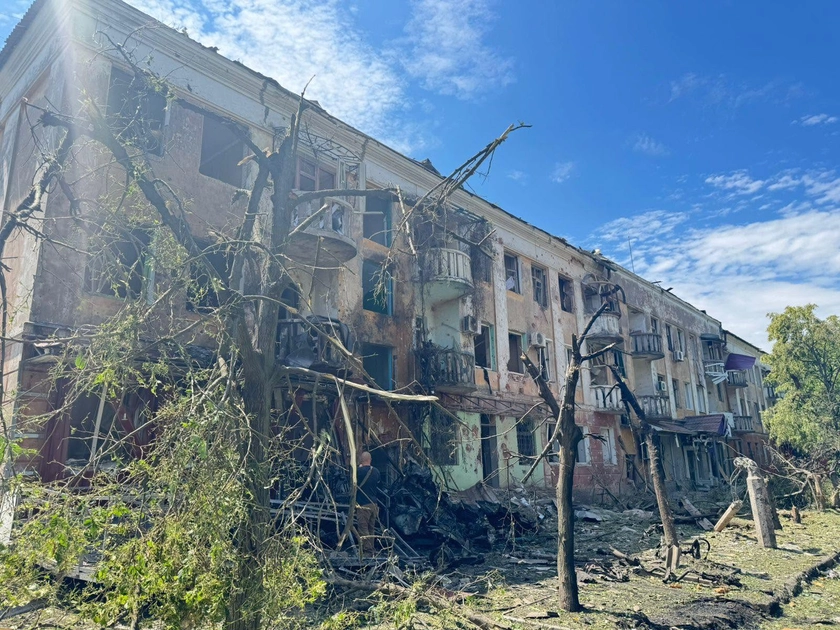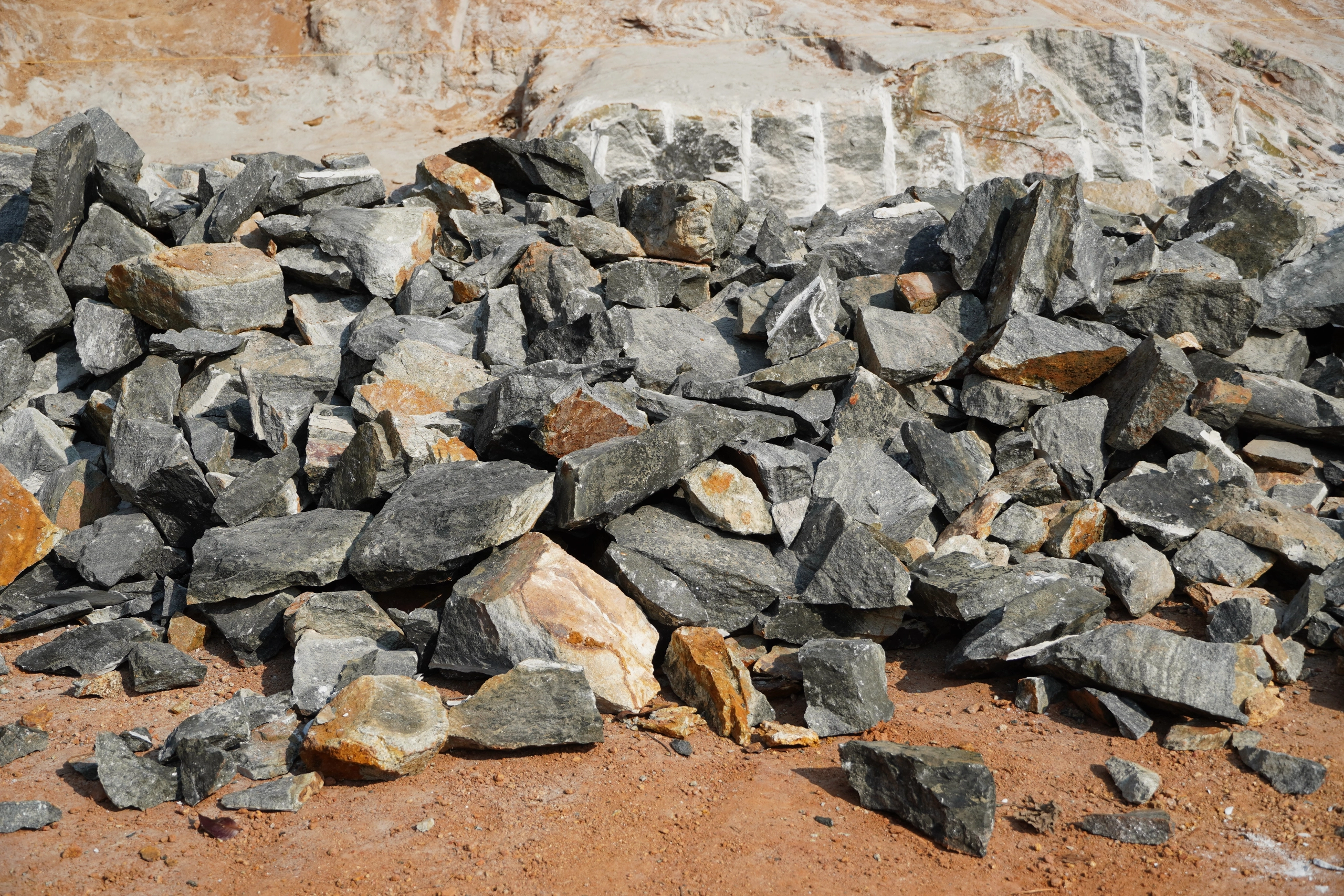
Russian forces claimed on Thursday to have captured the village of Shevchenko in eastern Ukraine’s Donetsk region, which sits atop one of Europe’s largest lithium deposits. The site contains an estimated 14 million tons of ore with lithium hydroxide concentrations ranging from 0.5% to 4%, making it a crucial asset for Europe’s green energy transition and electric vehicle battery production.
Ukrainian officials have neither confirmed nor denied the territorial claims but emphasized that legal ownership of the deposit remains with legitimate Ukrainian authorities and their international partners.
JOIN US ON TELEGRAM
Follow our coverage of the war on the @Kyivpost_official.
Yulia Svyrydenko, the Ukrainian economy minister, who signed the deal on behalf of her country, declined through a spokesman to comment to the New York Times on the capture of the deposit, which is the first to fall into Russian hands since the agreement was signed.
The dispute over Shevchenko represents the second major lithium deposit potentially falling under Russian influence since the 2022 invasion. Russian forces previously captured the Balka Kruta deposit in the Zaporizhzhia region, approximately 30 kilometers north of Berdiansk. Ukraine retains control of two other significant lithium deposits near Kropyvnytsky in central Ukraine.
Western analysts suggest Russia’s focus on mineral-rich territories reflects a deliberate strategy to undermine Ukraine’s post-war economic recovery prospects. The Shevchenko deposit, discovered during the Soviet era in 1982 but never fully developed, contains easily accessible minerals at depths of just 70-130 meters.
Ukraine’s Unmanned Systems Forces Hit 26 Russian Logistics and Energy Targets
The strategic importance of lithium has grown exponentially as European nations seek to reduce dependence on Chinese battery supply chains.
French media outlet Le Figaro reported that Ukraine’s loss of control over half its lithium deposits strengthens Moscow’s position regarding rare earth metals, a matter of particular importance to international partners including the United States. The deposits’ proximity to front lines has made extraction impossible regardless of territorial control.
Ukrainian officials maintain that any development of these resources under occupation would constitute theft of national assets and violation of international law. The government has called for increased international sanctions targeting Russia’s extractive industries and any companies attempting to exploit Ukrainian mineral resources without proper authorization.
The broader implications extend beyond Ukraine’s borders, as European Union nations had viewed Ukrainian lithium as a key component in achieving strategic autonomy in battery production. The EU’s Green Deal and transition away from fossil fuels depend heavily on securing reliable lithium supplies outside of Chinese control.
Control of Shevchenko and other small villages in the Pokrovsk sector have been going back and forth since December of 2024, according to the Khortytsia group.
As the conflict continues, the fate of Ukraine’s mineral wealth remains intertwined with broader questions of territorial sovereignty and post-war reconstruction planning.
You can also highlight the text and press Ctrl + Enter