Crimes committed at the notorious Izoliatsiia detention facility in occupied Donetsk may constitute crimes against humanity, according to a report released by Ukrainian human rights organization Truth Hounds on Monday.
The report says the facility became the site of a systematic campaign of unlawful imprisonment, torture, sexual violence and enforced disappearances after armed fighters from the self-proclaimed “Donetsk People’s Republic” (DPR) took control of the complex on June 9, 2014.
JOIN US ON TELEGRAM
Follow our coverage of the war on the @Kyivpost_official.
The report is based on 30 survivor testimonies, interviews with institutions, previous human rights investigations, documentary evidence and open-source research.
“The available evidence supports the conclusion that these crimes formed part of a widespread or systematic attack against a civilian population and may amount to crimes against humanity,” the report says.
From cultural landmark to site of abuse
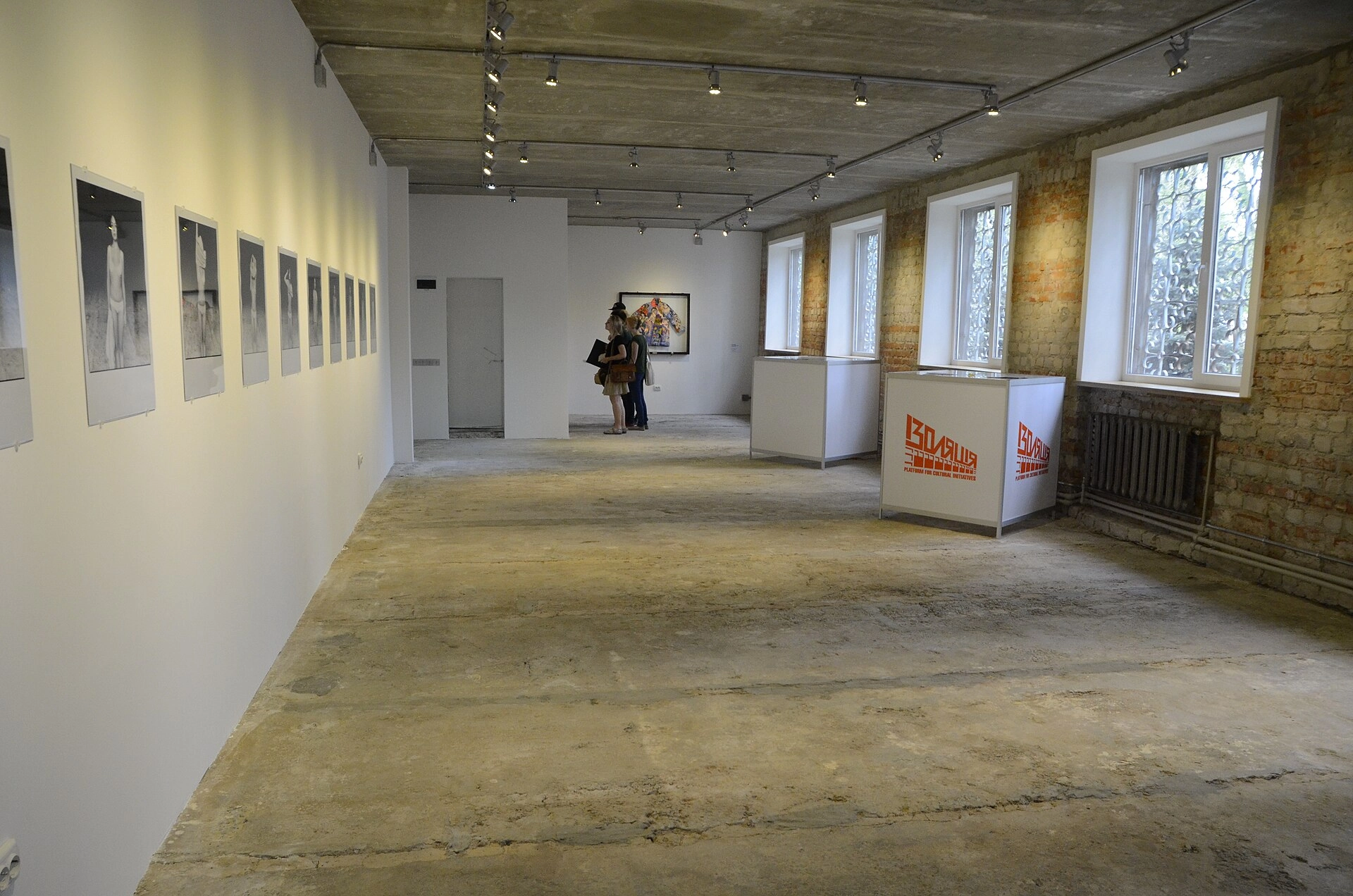
Before Russia’s occupation of parts of eastern Ukraine, Izoliatsiia was one of Donetsk’s best-known contemporary art centers.
Truth Hounds said the seizure of the site transformed it from a cultural institution into a detention facility used by occupation authorities to intimidate, punish and repress civilians.
Researchers traced the prison’s development from early armed formations in occupied Donetsk to the so-called “Ministry of State Security” under the DPR, identifying links to Russia’s Federal Security Service (FSB) and other Russian officials.
‘Die Together’: Ukraine’s LGBTQ Soldiers Fighting Russia – and for Their Rights
The report argues that abuses at Izoliatsiia were not isolated acts committed by individual perpetrators but part of an organized system operating through established command structures.
Survivors describe torture, rape and mock executions
Former detainees interviewed by Truth Hounds described recurring patterns of violence spanning more than a decade.
Testimonies collected by researchers include accounts of beatings, electrocution, stress positions, mock executions, prolonged isolation, denial of medical treatment and threats against family members.
Survivors also reported rape, other forms of sexual violence, forced nudity and severe humiliation.
According to the report, the consistency of testimonies suggests a deliberate and coordinated system of abuse.
Researchers identified four crimes that were most strongly supported by available evidence: unlawful imprisonment, enforced disappearance, torture and sexual violence.
Evidence suggests prison remains active
Truth Hounds said recently released detainees and open-source evidence indicate that the Izoliatsiia complex may still be operating.
Researchers cited satellite imagery showing vehicle activity, construction materials, infrastructure work and signs that buildings at the site continue to be heated and maintained.
“Although this material does not establish the nature of every activity on the Izoliatsiia site, it strongly suggests that the complex has not been abandoned and that the danger of ongoing abuse remains real,” the report says.
The organization called on Ukrainian prosecutors to pursue investigations not only against direct perpetrators but also against individuals higher up the chain of command, including officials linked to occupation authorities and Russian security structures.
Truth Hounds also urged the international community to support accountability efforts and continue documenting crimes committed at detention facilities in Russian-occupied territories.
The report argues that Ukraine’s 2024 legal reforms, which introduced crimes against humanity and command responsibility into domestic legislation, create new opportunities to prosecute those responsible for abuses committed at Izoliatsiia.
You can also highlight the text and press Ctrl + Enter