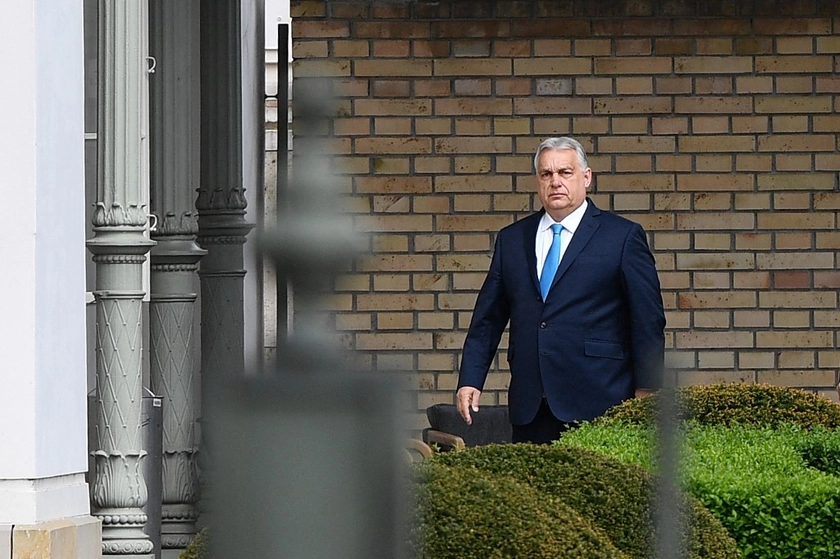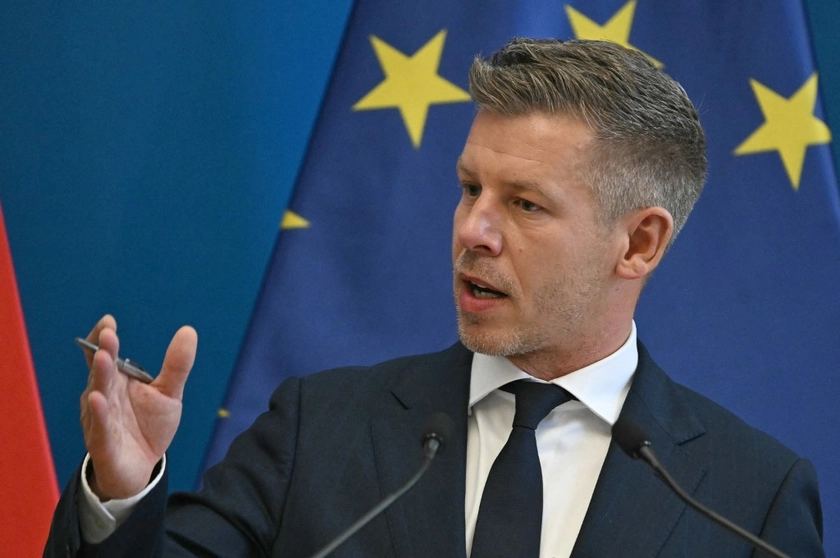
The leader of Hungary’s main opposition party has mocked Viktor Orbán, the country’s prime minister, by calling him the “King of European Pride.”
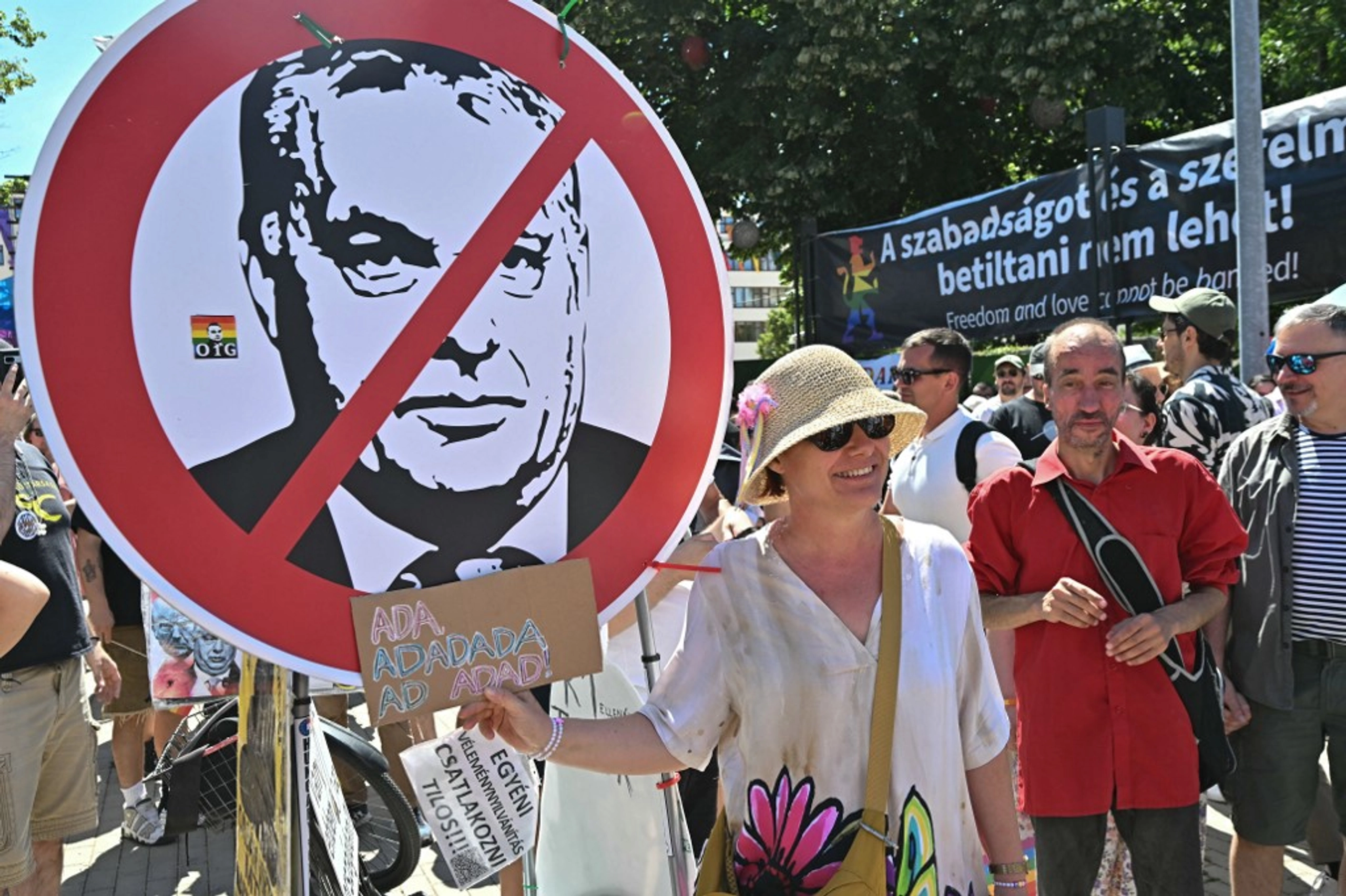
The jibe comes in reference to the Budapest Pride march that went ahead in the city on Saturday despite Orbán’s opposition to it and a police ban.
JOIN US ON TELEGRAM
Follow our coverage of the war on the @Kyivpost_official.
Organizers of the event put the number of participants at between 180,000 and 200,000, making it the biggest Pride march the Hungarian capital has seen in the 30 years of the event.
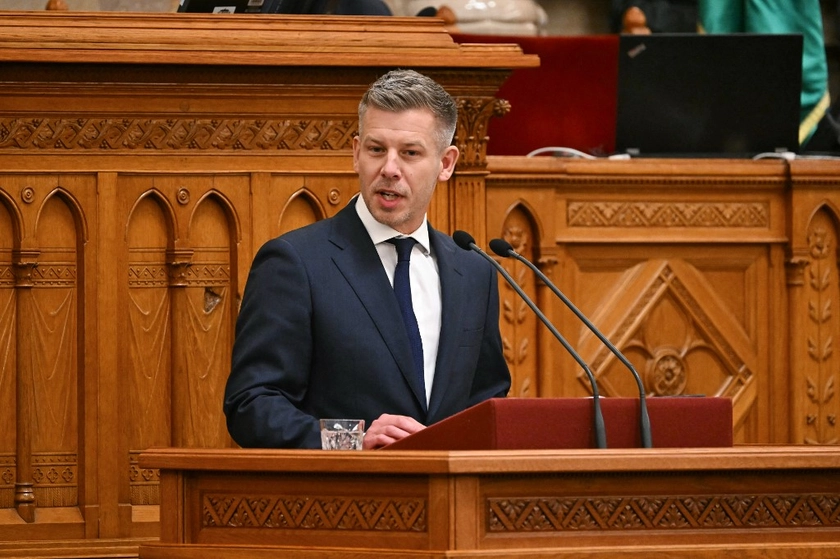
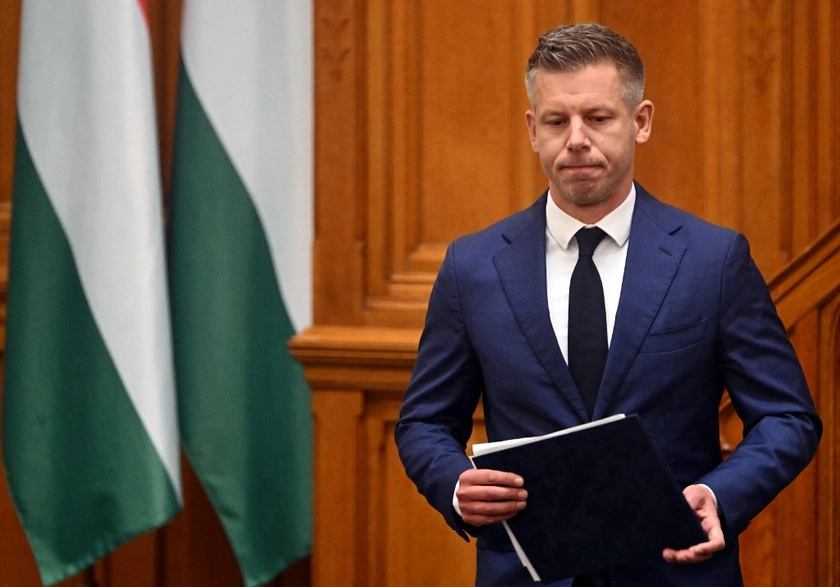
Taking to Facebook on Sunday, Péter Magyar, the leader of the Tisza party, wrote that the prime minister’s clear dislike of Pride had boosted the attendance at the event rather than persuading people to stay away.
“Viktor Orbán became the King of Pride yesterday because nobody else could have managed to mobilize such a large crowd for a demonstration against himself by inciting hatred,” he wrote, adding that Orbán had shown “exceptional talent” at organizing the event.
Magyar also wrote that the prime minister’s government’s inability to prevent the march from going ahead demonstrated he had not only lost the support of society “but also among his own people and the ruling machine.”
Speaking after the parade, Orbán had described it as “disgusting and shameful” and claimed that “Brussels has issued an order that there must be a Pride in Budapest.”

Hungary Lifts Ban on Ukrainian Media to Rebuild Bilateral Relations
But the fact that the march went ahead despite his steadfast opposition to it and a police ban has been interpreted in opposition circles as a demonstration of his waning influence over a country he has dominated since returning to power in 2010.
An opinion piece in the independent Hungarian news outlet HVG called the march the “funeral procession of the Orbán regime.”
It added that thousands of mainly young people had taken part because they knew that if a government bans a march that had taken place peacefully for 29 years, then “it is giving up on democracy and embarking on a path that ends in Russia.”
You can also highlight the text and press Ctrl + Enter