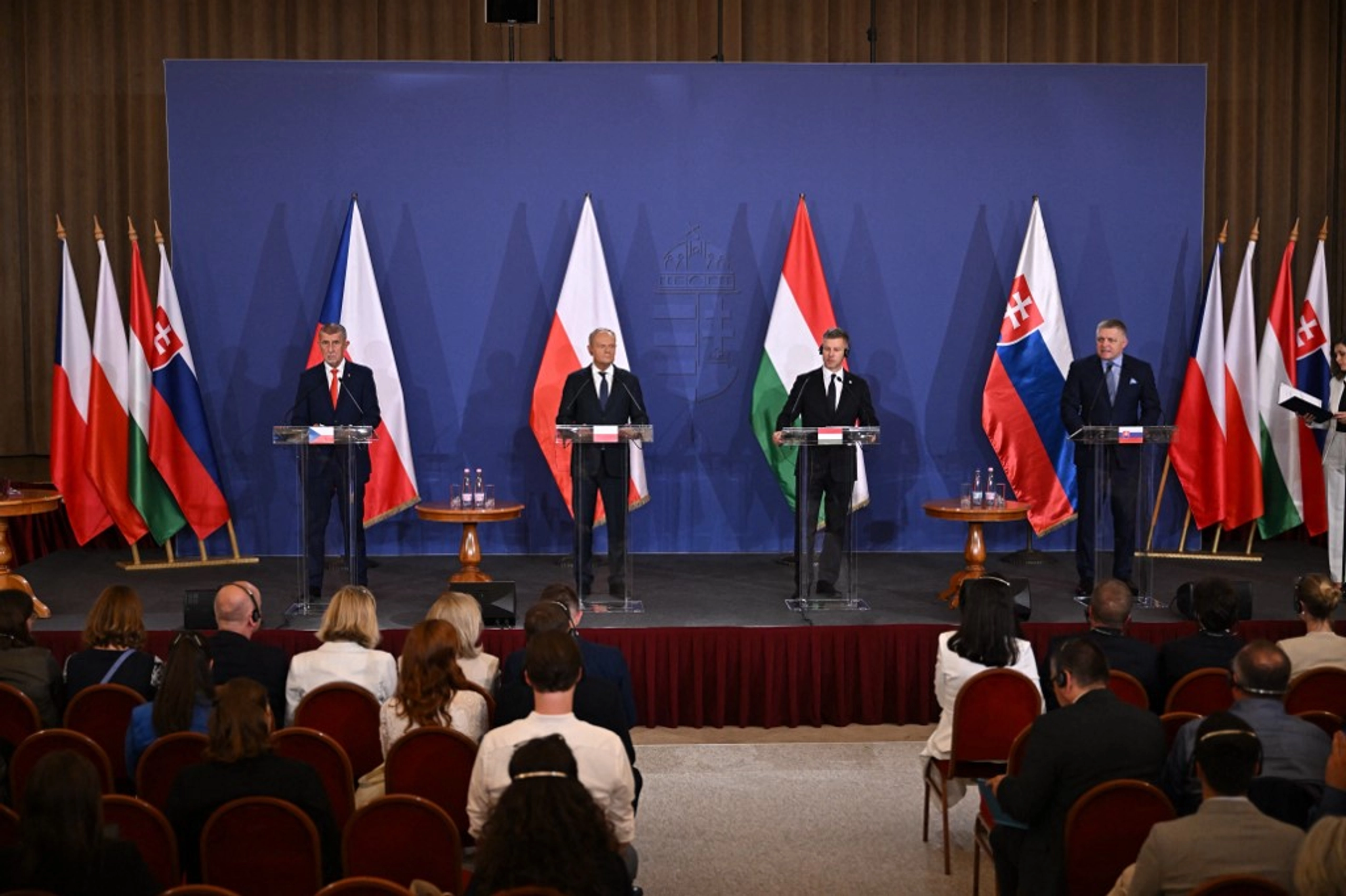
The leaders of the Visegrád Group (V4) gathered in Hungary on Tuesday for their first summit in more than two years, signaling an attempt to revive the Central European alliance after bitter divisions over Russia’s war against Ukraine.
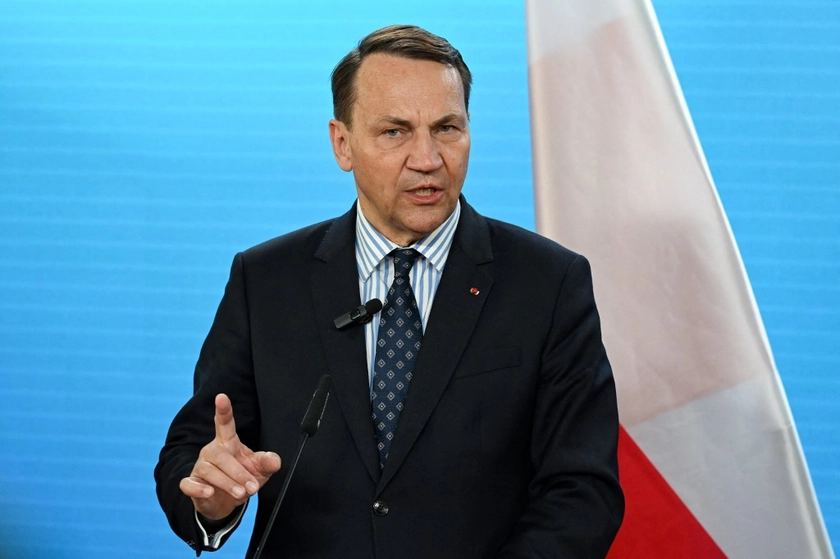
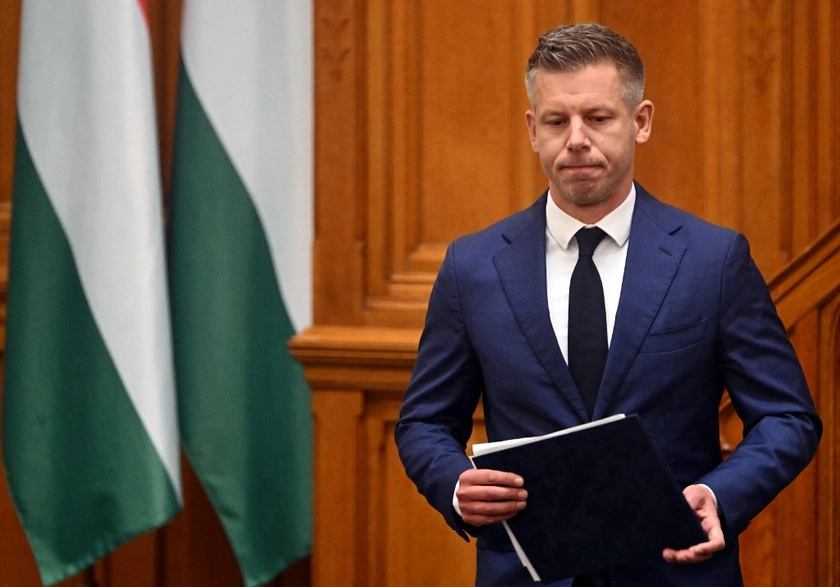
Hungarian Prime Minister Péter Magyar hosted Polish Prime Minister Donald Tusk, Czech leader Andrej Babiš, and Slovak Prime Minister Robert Fico in Gödöllő near Budapest, with Tusk declaring that “we are back” and predicting that “Europe will start listening” to the four nations again.
JOIN US ON TELEGRAM
Follow our coverage of the war on the @Kyivpost_official.
V4 is back!
— Magyar Péter (Ne féljetek) (@magyarpeterMP) June 23, 2026
It was an honour to host the Prime Ministers of Poland, Czechia, and Slovakia in Gödöllő at Grassalkovich Castle.
The Visegrád Group is stronger than ever! pic.twitter.com/Ai6fWvpEN1
The V4 – comprising Poland, Hungary, Czechia, and Slovakia – saw relations deteriorate after Russia’s full-scale invasion of Ukraine in 2022 exposed stark differences in policy toward Moscow and Kyiv.
Poland under Tusk emerged as one of Ukraine’s strongest supporters, while former Hungarian Prime Minister Viktor Orbán and Slovakia’s Fico faced criticism for their Moscow-friendly rhetoric.
Recent political changes, including Péter Magyar’s election victory over Orbán in April, have opened the door to renewed cooperation. Tusk said the bloc’s future depended on restoring “trust, mutual loyalty and sensitivity” among its members.
The Polish leader identified energy, migration and agriculture as common priorities, alongside the countries’ shared history and geography.
Von der Leyen to Visit Azerbaijan and Armenia as EU Pushes the Middle Corridor to Avoid Russia and Iran
Magyar said the four governments aimed to deliver “tangible achievements,” pointing to plans for a high-speed rail network. Fico added that the leaders intend to coordinate positions ahead of European Council meetings through regular consultations.
The V4, founded after the fall of communism to help its members integrate into NATO and the EU, gained prominence during the 2015 migration crisis but became increasingly fractured over the war in Ukraine.
The latest summit marks the bloc’s most serious attempt yet to restore unity after years of tensions triggered by differing approaches to Russia and support for Kyiv.
You can also highlight the text and press Ctrl + Enter