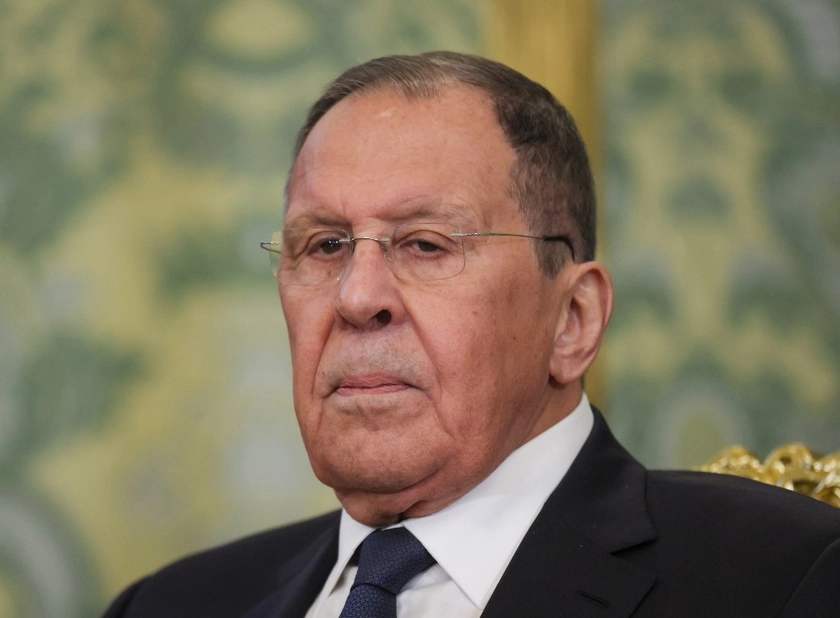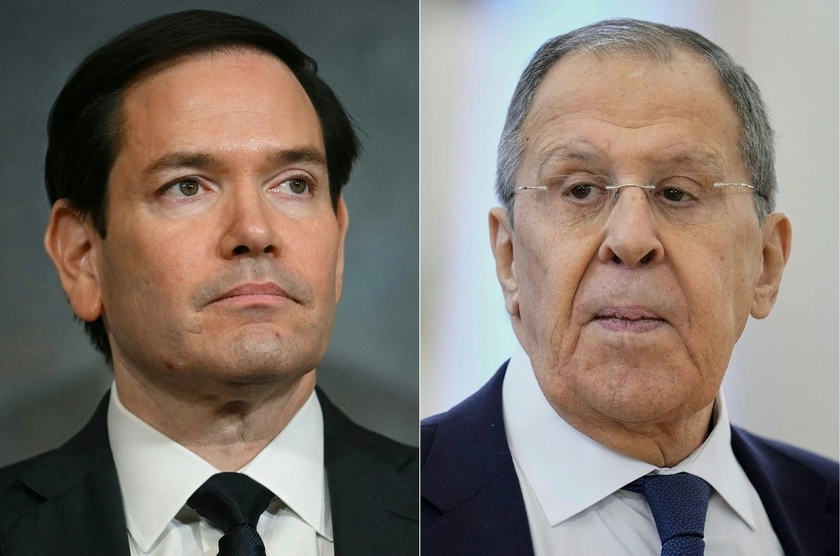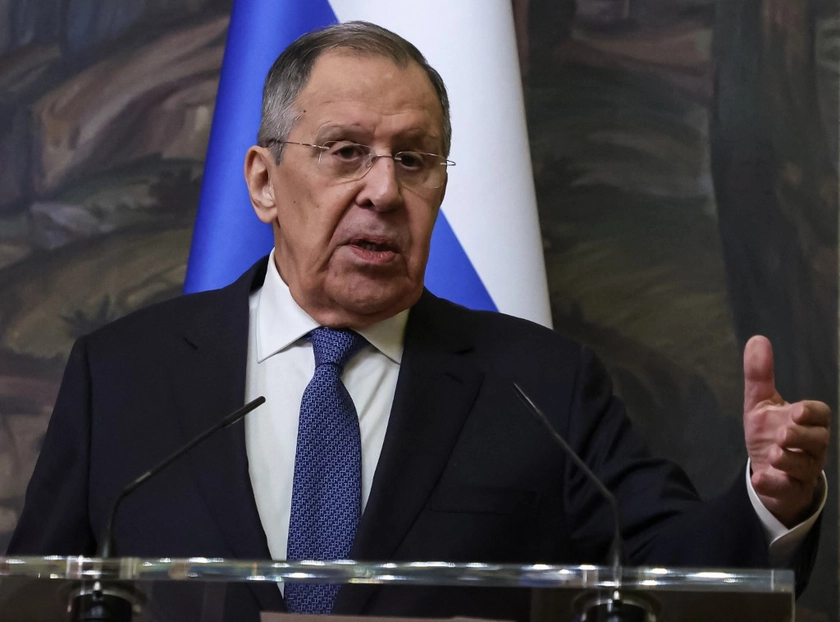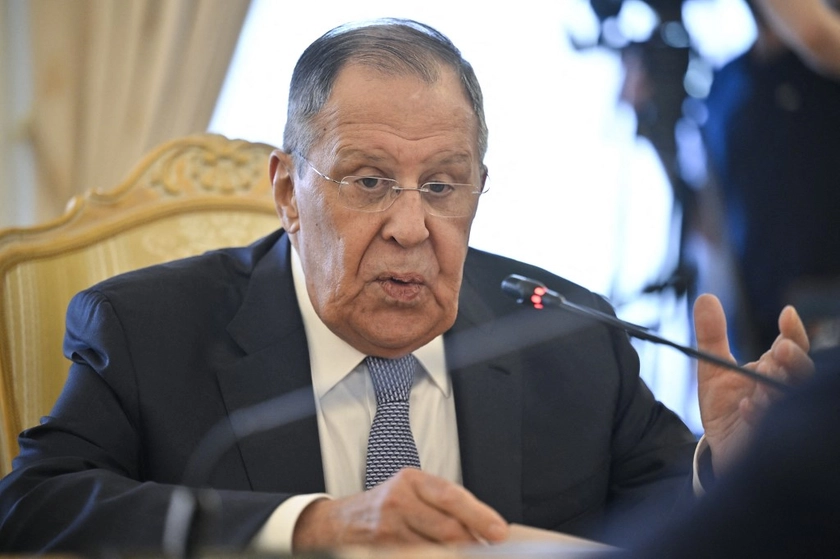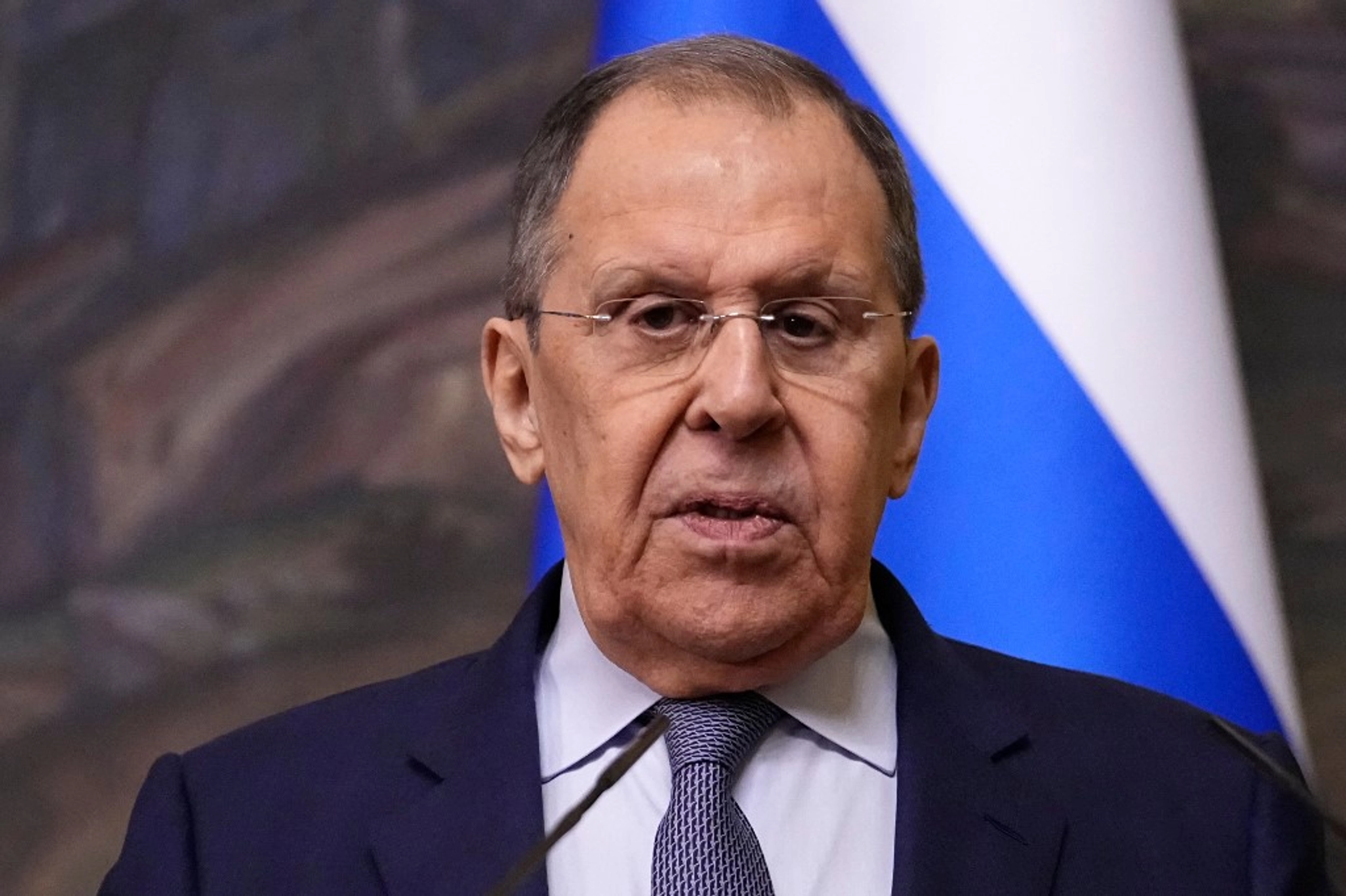
Russian Foreign Minister Sergey Lavrov said peace settlements with Kyiv should include its disarmament.
Lavrov’s statement escalated from earlier demands that Kyiv troops withdraw from Ukrainian territories that Russia annexed via illegal referendums but does not control.
JOIN US ON TELEGRAM
Follow our coverage of the war on the @Kyivpost_official.
Lavrov, in an interview with Hungarian outlet Magyar Nemzet, also demanded that the West lift its sanctions on Russia in any peace deal.
“On the agenda are the goals of Ukraine’s demilitarization and denazification, the lifting of anti-Russian sanctions, the withdrawal of all lawsuits against Russia and the return of its assets that were illegally seized in the West. All these provisions should be spelled out in a legally binding peace settlement agreement,” Lavrov said, as referenced by Russian state media TASS.
The conditions named by Lavrov are in line with the official war goals of Russian leader Vladimir Putin when Moscow launched the full-scale invasion in 2022, meaning Moscow’s version of peace equates to its victory.
Lavrov claimed that any other form of settlement equates simply to a pause in the war.
“We do not need a pause that the Kiev [sic] regime and its external handlers would like to take to regroup troops, continue mobilization and strengthen military capabilities,” Lavrov added.
Lavrov also reiterated Moscow’s claims that Kyiv has oppressed the Russian-speaking population in eastern Ukraine, which it used to justify its invasion despite many of those serving in Ukraine being Russian speakers, including the nationalist Azov brigade.
Lavrov Rejects Frontline Freeze as Basis for Ukraine Peace Talks
From subtle finessing to outright rejection
Moscow’s response to international ceasefire proposals has turned from subtle finessing to outright rejection in recent months.
Kremlin aide Yuri Ushakov said on Thursday, after Putin’s call with US President Donald Trump, that Putin told Trump Moscow will not back down on its war goals, despite Trump’s months-long efforts to negotiate a ceasefire between Kyiv and Moscow.
Trump subsequently said he was “not happy” and “very disappointed” by the call – a contrast to his usually upbeat response after such calls despite not achieving any breakthroughs.
Moscow has been finessing its way out of the West’s ceasefire ultimatums for months.
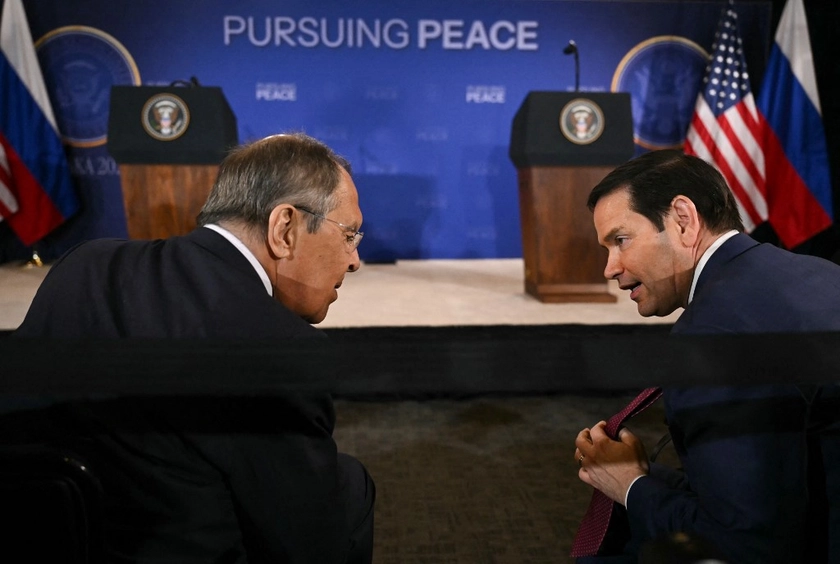
In March’s US-mediated talks in Saudi Arabia, Kyiv and Moscow said they agreed to a partial ceasefire on energy and the Black Sea, which fell apart without an explicit agreement between the parties, as both accused the other of violations.
The West then called for intensified sanctions on Moscow if the latter failed to comply with an unconditional ceasefire by May 12, but later said Moscow had one week to show progress before proceeding with new sanctions.
Russian leader Vladimir Putin then proposed direct talks with Kyiv in Istanbul in response. These talks did not result in a ceasefire, although Putin later, in a phone call with Trump, proclaimed it had come up with a “memorandum” towards a ceasefire.
Another Istanbul meeting took place, also without a ceasefire.
Once again Moscow signals that the only form of peace it will accept is its victory.
You can also highlight the text and press Ctrl + Enter