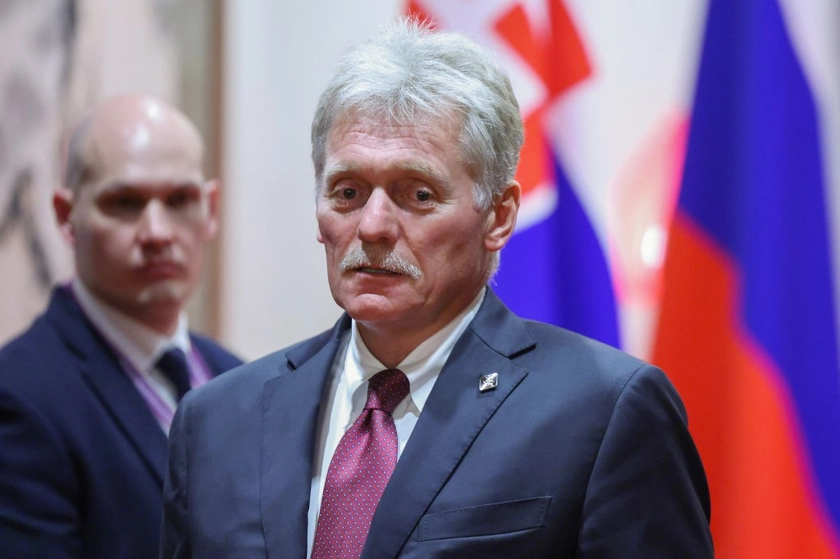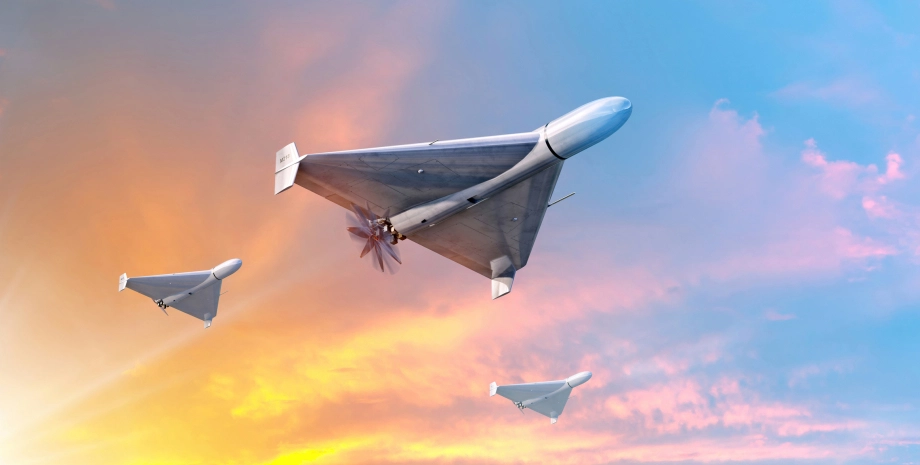
Russian Prime Minister Mikhail Mishustin on Tuesday claimed that Russia has already more than tripled its planned overall drone production volumes for 2025.
Mishustin credited the ramped-up manufacturing to greater state financial support for producers and innovators, including civilian companies.
JOIN US ON TELEGRAM
Follow our coverage of the war on the @Kyivpost_official.
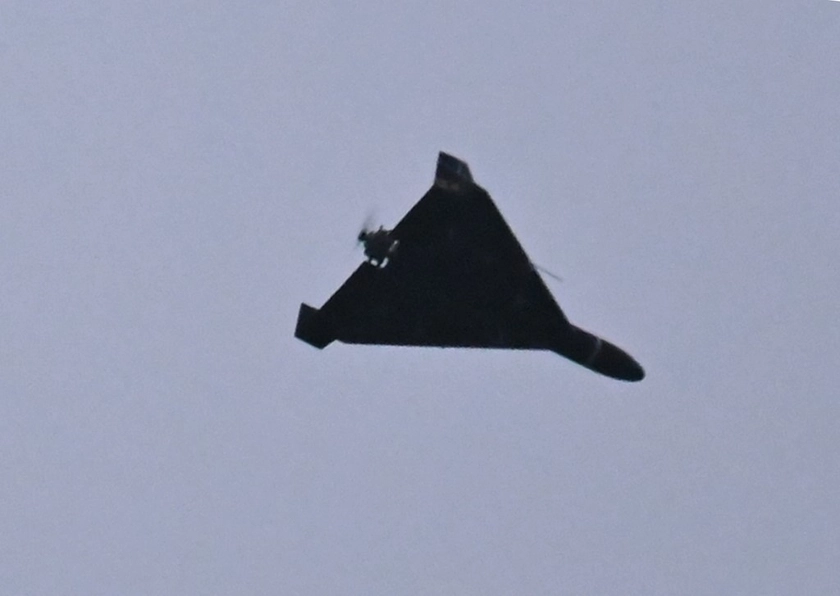
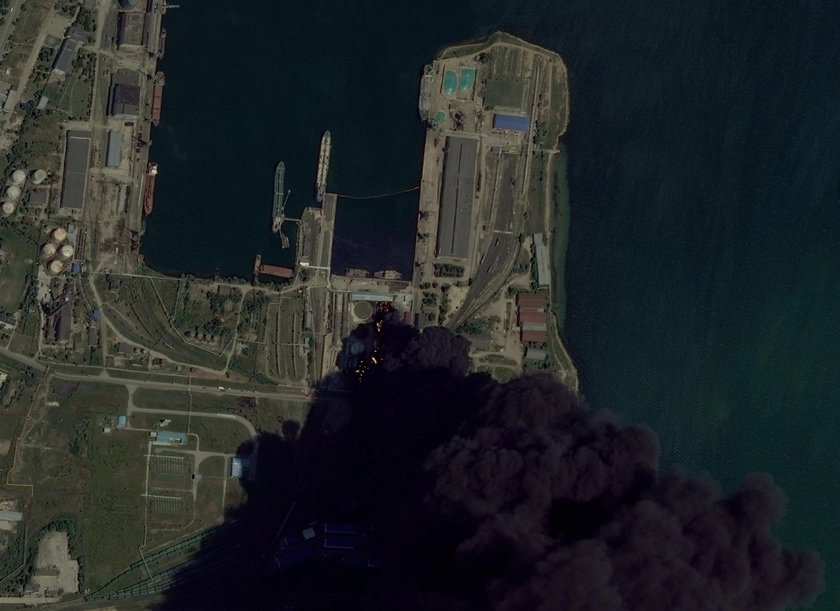
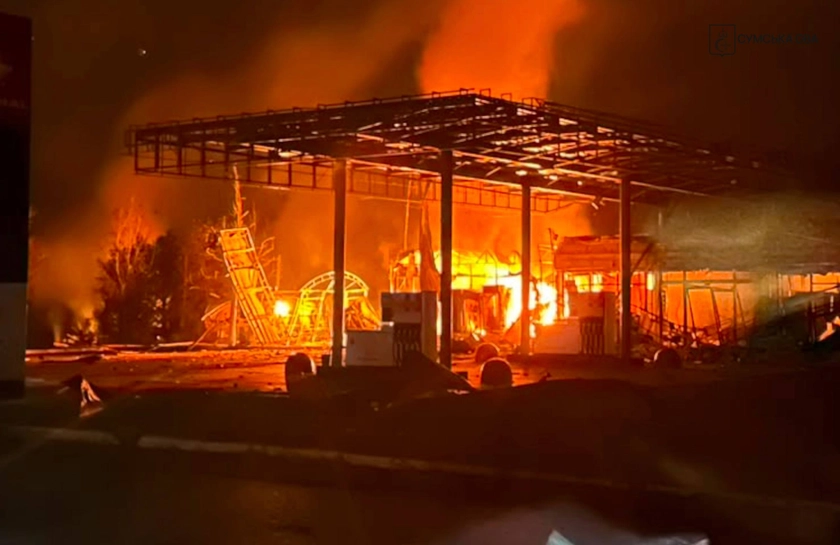
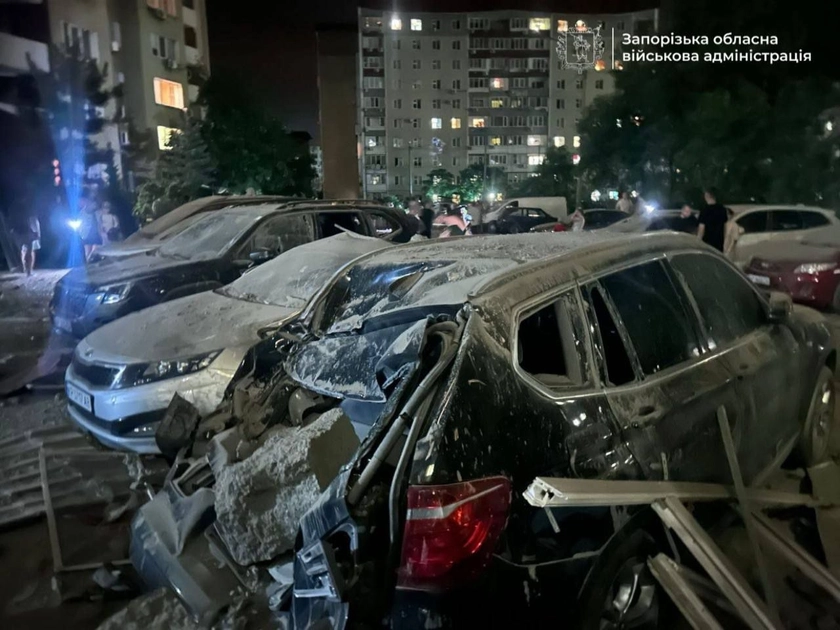
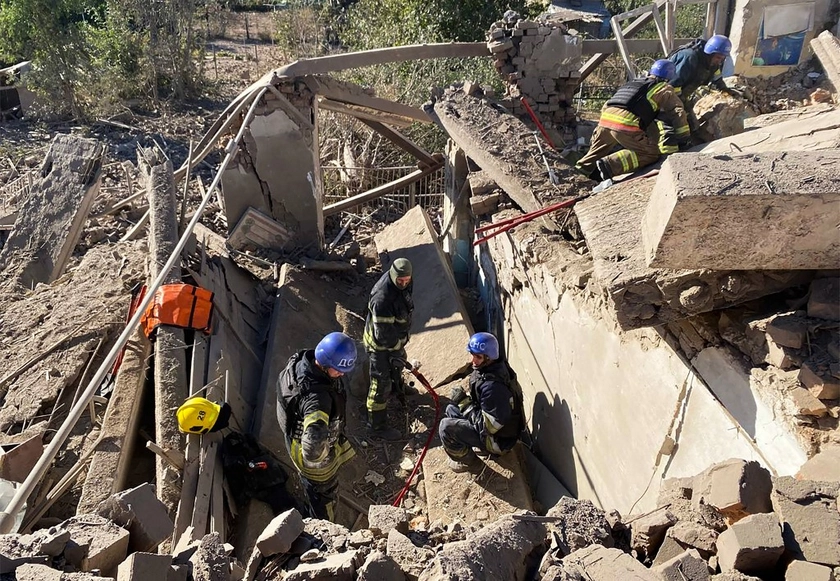
Analysts from the Washington-based think tank, Institute for the Study of War, assessed that increased Russian long-range drone production is enabling Russia’s growing nightly strikes against civilian targets in Ukraine. It has also enabled Russian forces to integrate Shahed-like drones into strikes against frontline Ukrainian positions, ISW reported.
The think tank specified that Russian forces are “continuing to integrate drones into frontline combat operations to strike frontline and rear Ukrainian positions, and to interdict Ukrainian ground lines of communication (GLOCs) in tandem with Russian MLRS and artillery systems.”
The analysts added that engineering know-how from China has been critical in this manufacturing, and noted reports that Chinese-made components have been found in these UAVs.
Ukraine-based open-source intelligence organization Frontelligence Insight said on Tuesday that Russian forces have launched 28,743 total Shahed variant drones (Shahed-136/131 and Geran 2) since the beginning of the full-scale invasion of Ukraine and that Russian forces launched 10 percent of this total (2,736 drones) in June 2025 alone.
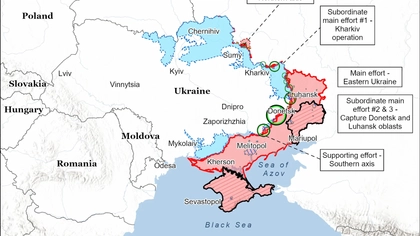
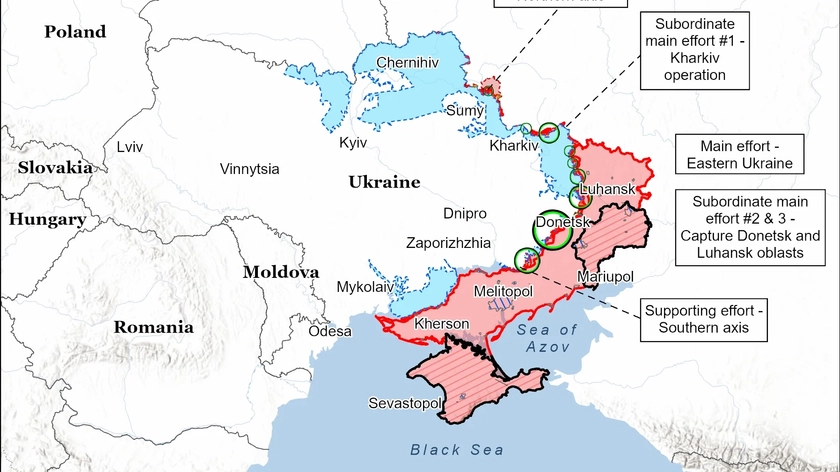
ISW Russian Offensive Campaign Assessment, June 26, 2026
Since the beginning of the full-scale invasion, Russia has launched 28,743 Shahed/Geran drones at Ukraine - 2,736 of them in June of this year, according to President Zelensky. Our team took a brief look at the Shahed numbers and noted the following trends and figures🧵:
— Tatarigami_UA (@Tatarigami_UA) July 8, 2025
The organization calculated that Russia produced an average of 60.5 Geran drones per day, or roughly 1,850 drones per month, between February and April 2025.
Meanwhile, Ukraine’s Commander-in-Chief, General Oleksandr Syrskyi, announced on Tuesday that Russian forces launched 1.6 times more missiles and drones against Ukraine in June 2025 than it did in the previous month.


ISW analysts said they had pored over documents from financial news and data provider Bloomberg and concluded that the Russian defense industrial complex has cooperated with Chinese companies throughout the duration of the full-scale invasion to increase Moscow’s drone-manufacturing muscle, despite Western sanctions on drone components.
Bloomberg had reported that, in fact, a Russian delegation visiting China in May 2023 established a joint venture with a Chinese university to form the Aero-HIT drone production facility in Khabarovsk, Khabarovsk Krai.
Aero-HIT last month submitted a 7.1-billion-ruble (roughly $90 million) funding request to the Russian Ministry of Defense. Its plant reportedly is on track produce up to 10,000 drones per month in 2025 and plans to ratchet up that number within the year.
Bloomberg asserted that Aero-HIT’s relationship with Chinese engineers is crucial to its ability to manufacture, at scale, its “Veles” first-person view (FPV) drone, which Russian forces have used significantly in the Kherson region.
Ukraine’s Main Military Intelligence Directorate (HUR) reported to Radio Svoboda this week that 60 to 65 percent of the components in Russian-produced Geran-type drones (the Russian analogue of the Iranian Shahed drone) are of Chinese origin.
Last week, Ukraine’s Security Service (SBU) also reported that Ukrainian investigators, examining the remains of the same type of Geran drone recovered in the capital, found components manufactured at the Chinese Suzhou Ecod Precision Manufacturing Company.
One electronic and radio warfare expert cited by ISW, Serhiy “Flash” Beskrestnov reported on Tuesday that Ukrainian forces had observed a new type of Chinese wi-fi router on radio modems installed on Russian “Gerber” drones.
You can also highlight the text and press Ctrl + Enter

Attack on Moscow Oil Refinery: Putin Under Pressure?