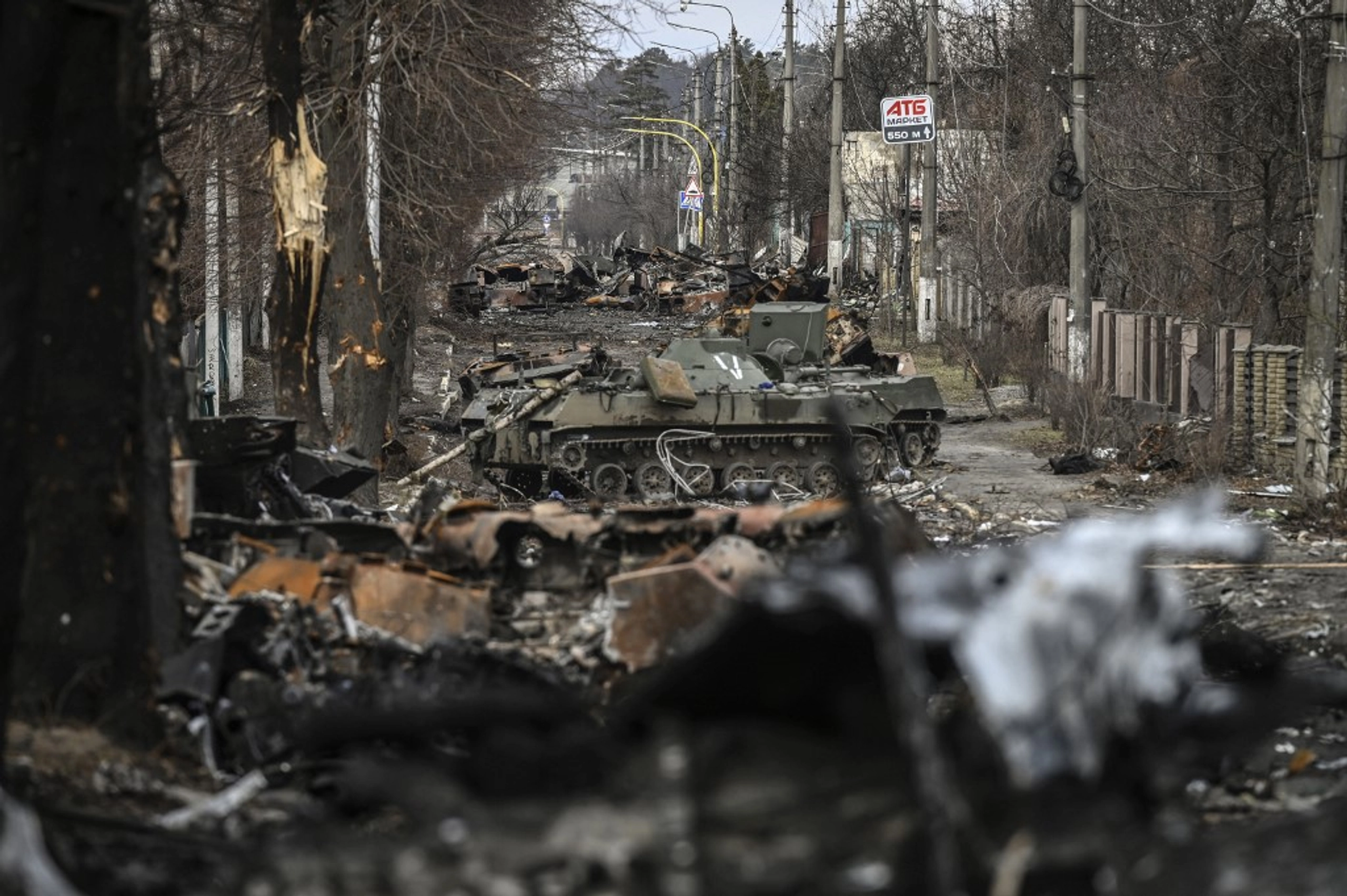
In the spring of 2022, after Russian forces were pushed out of Bucha, I arrived there as a journalist. But nothing could have prepared me for the horror I witnessed.
The streets were silent, but the silence screamed. Burned-out cars, destroyed buildings, bullet holes in the walls, and the unbearable stench of death hung in the air. This was not just war – it was targeted cruelty.
JOIN US ON TELEGRAM
Follow our coverage of the war on the @Kyivpost_official.
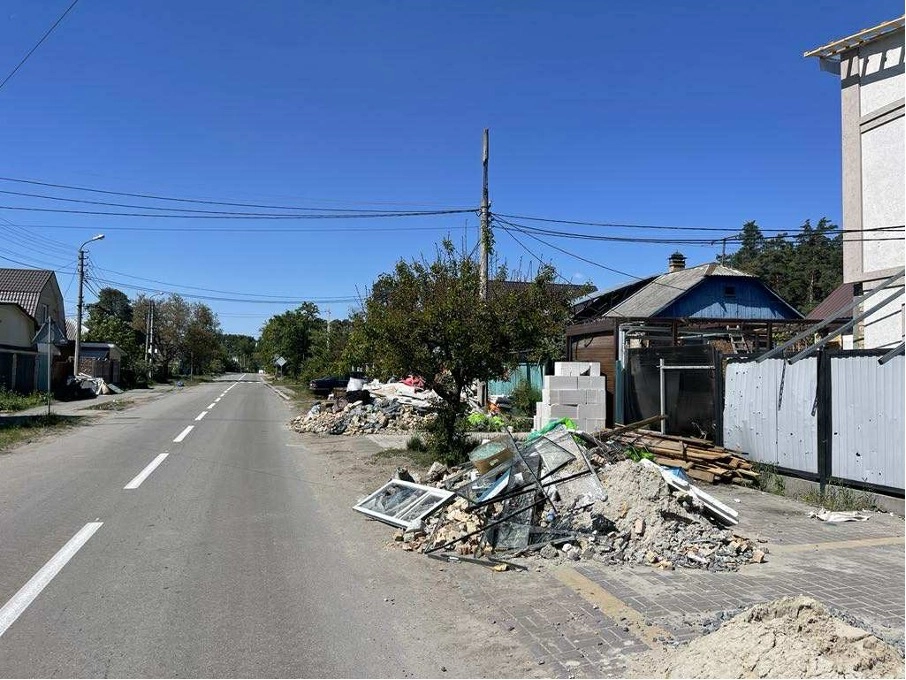
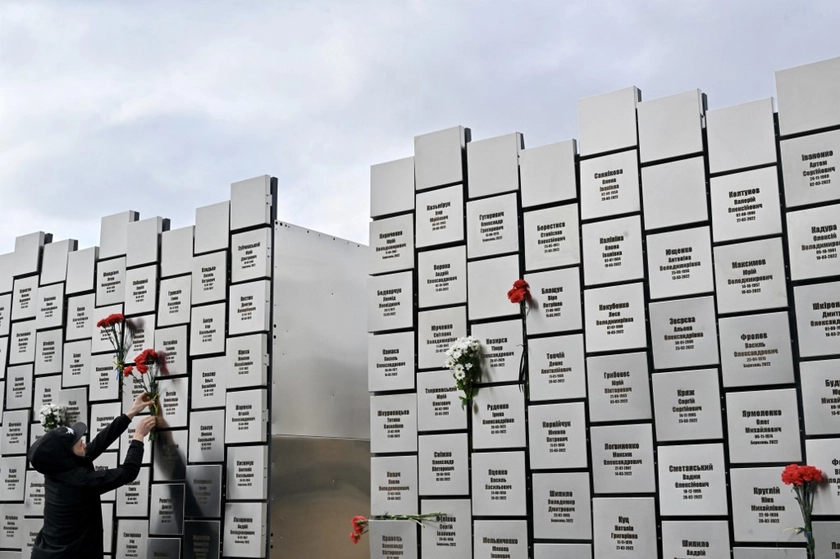
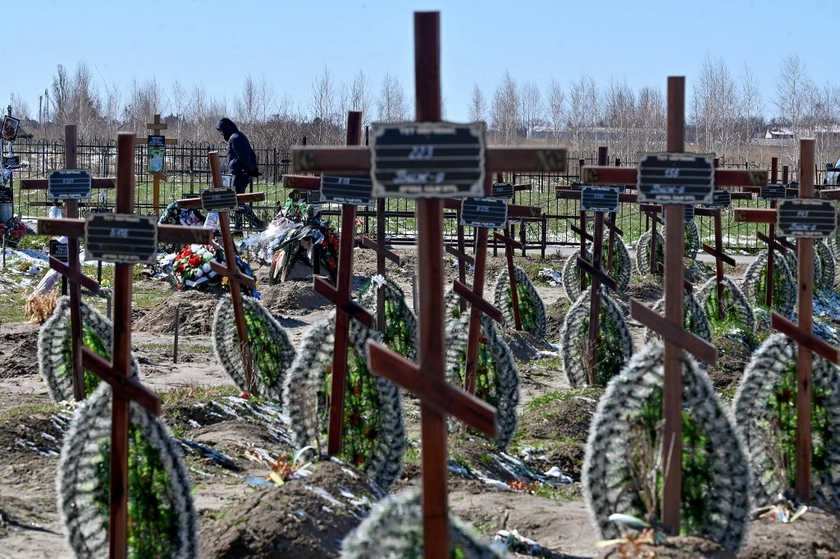
Bucha wasn’t a battlefield. It was an execution site. Civilians – women, children, the elderly – were slaughtered. Many had their hands tied behind their backs and were shot in the head. The basements told even darker stories: signs of torture, executions, and mass graves. What I saw were crimes that bore the marks of genocide.
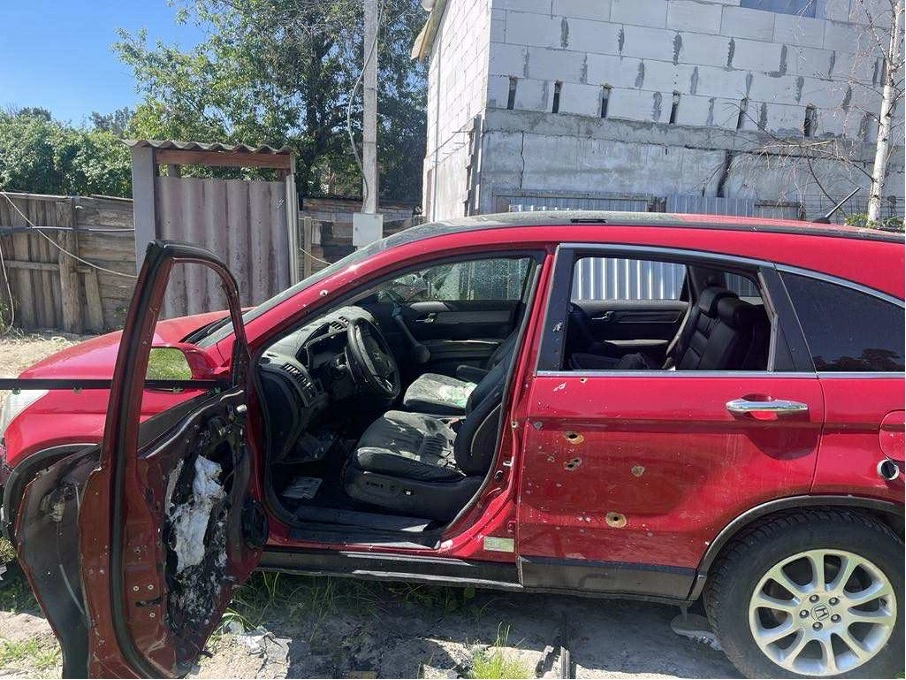
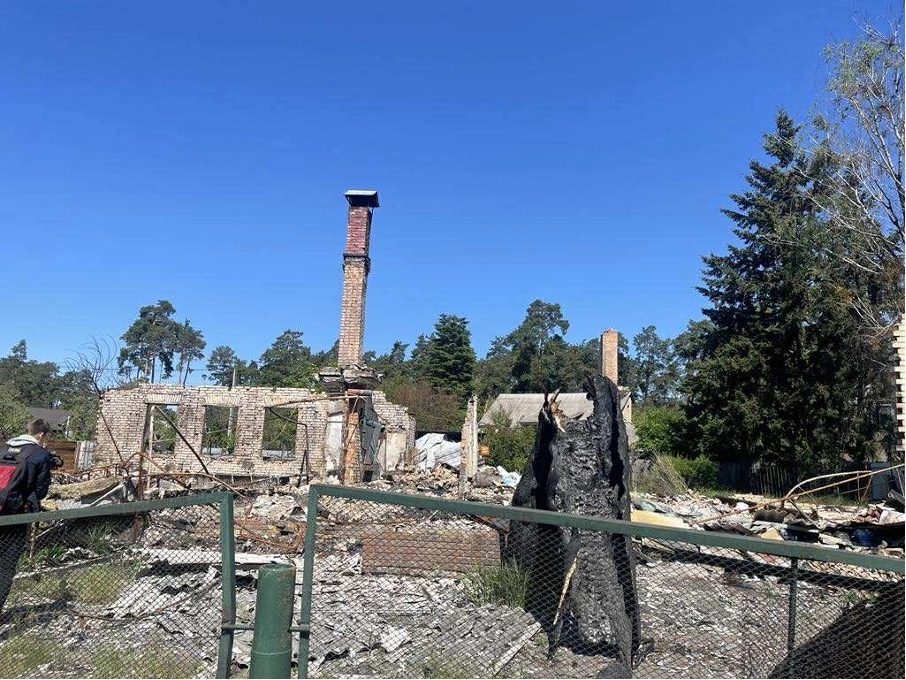
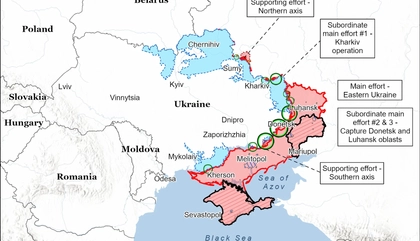
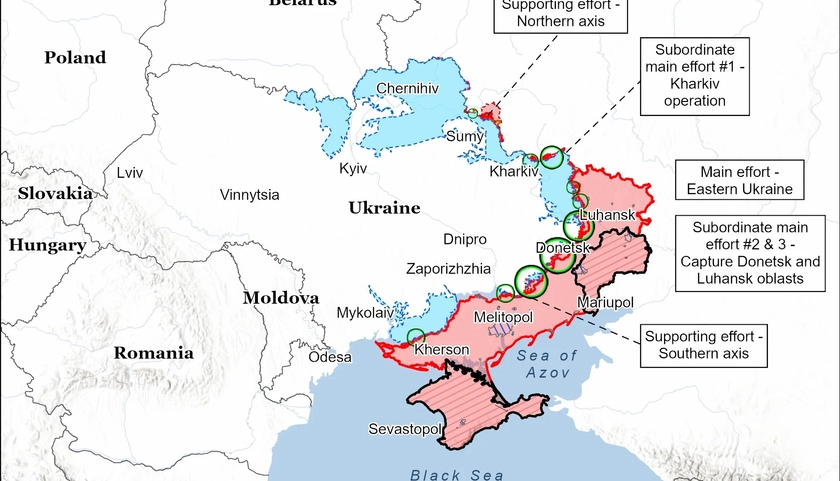
ISW Russian Offensive Campaign Assessment, June 13, 2026
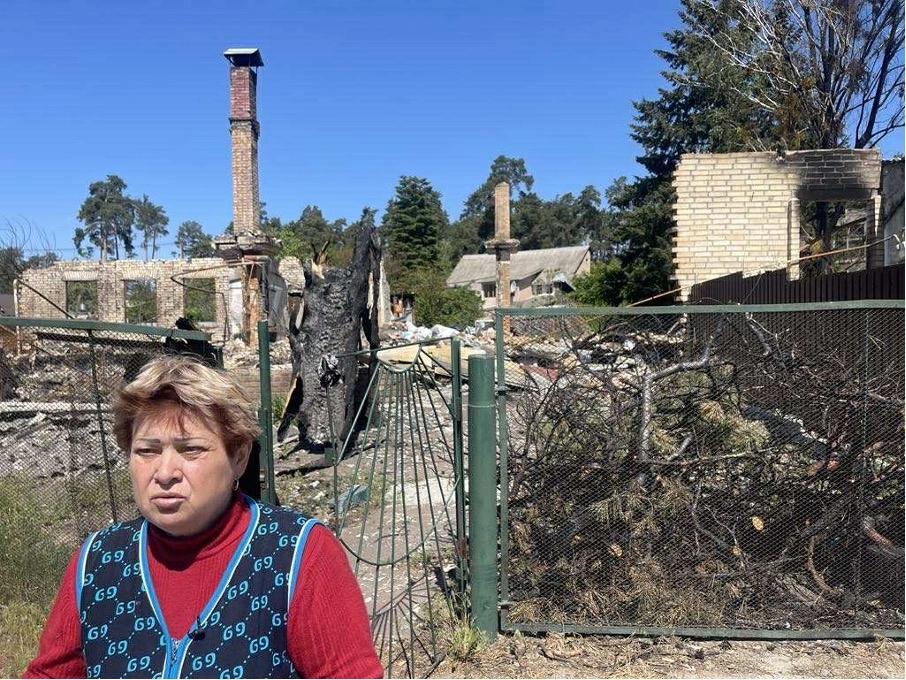
I met survivors. Their eyes had a hollow stillness. Their words were heavy with pain, but filled with the strength to speak. They told me about inhuman brutality committed by the Russian occupiers.
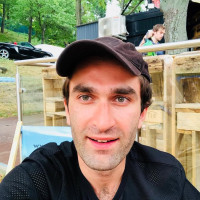
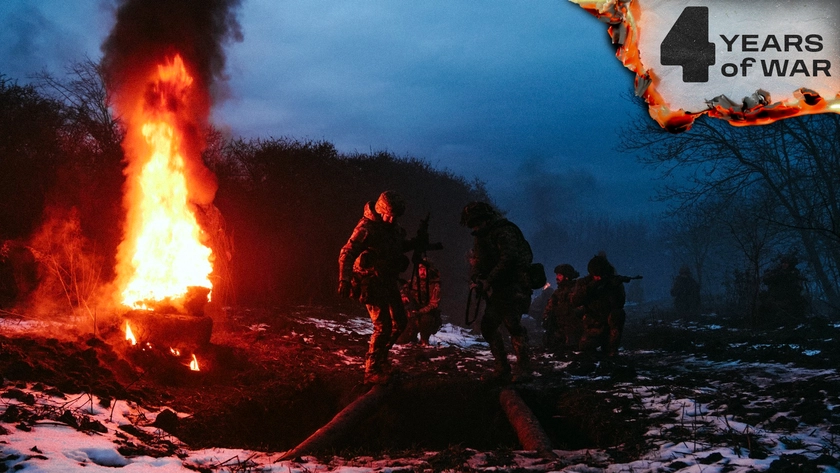
Later, in Irpin, I joined Shota, a Georgian fighter now serving in Ukraine’s Ministry of Defense. Together with Ukrainian soldiers, he showed me the defensive positions where they had held the line during some of the fiercest fighting.
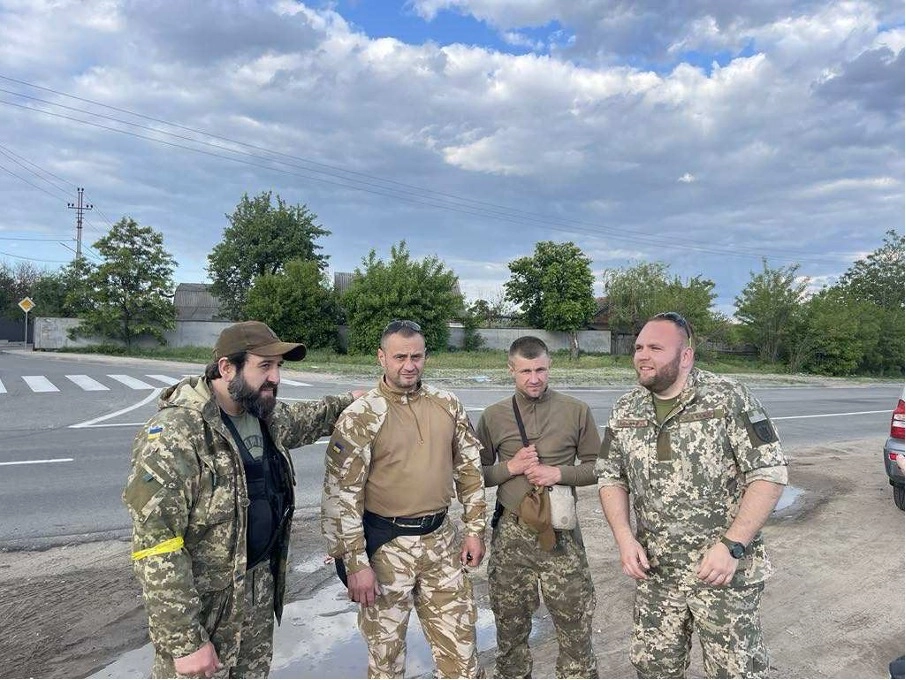
As we walked, a Ukrainian civilian approached us and said: “Please thank the Georgian soldiers who stood here when all hope was lost. We fed them, they saved our lives.”
Those words stayed with me. They spoke of a deep brotherhood between Ukrainians and Georgians – born not of politics, but of shared pain and shared courage.
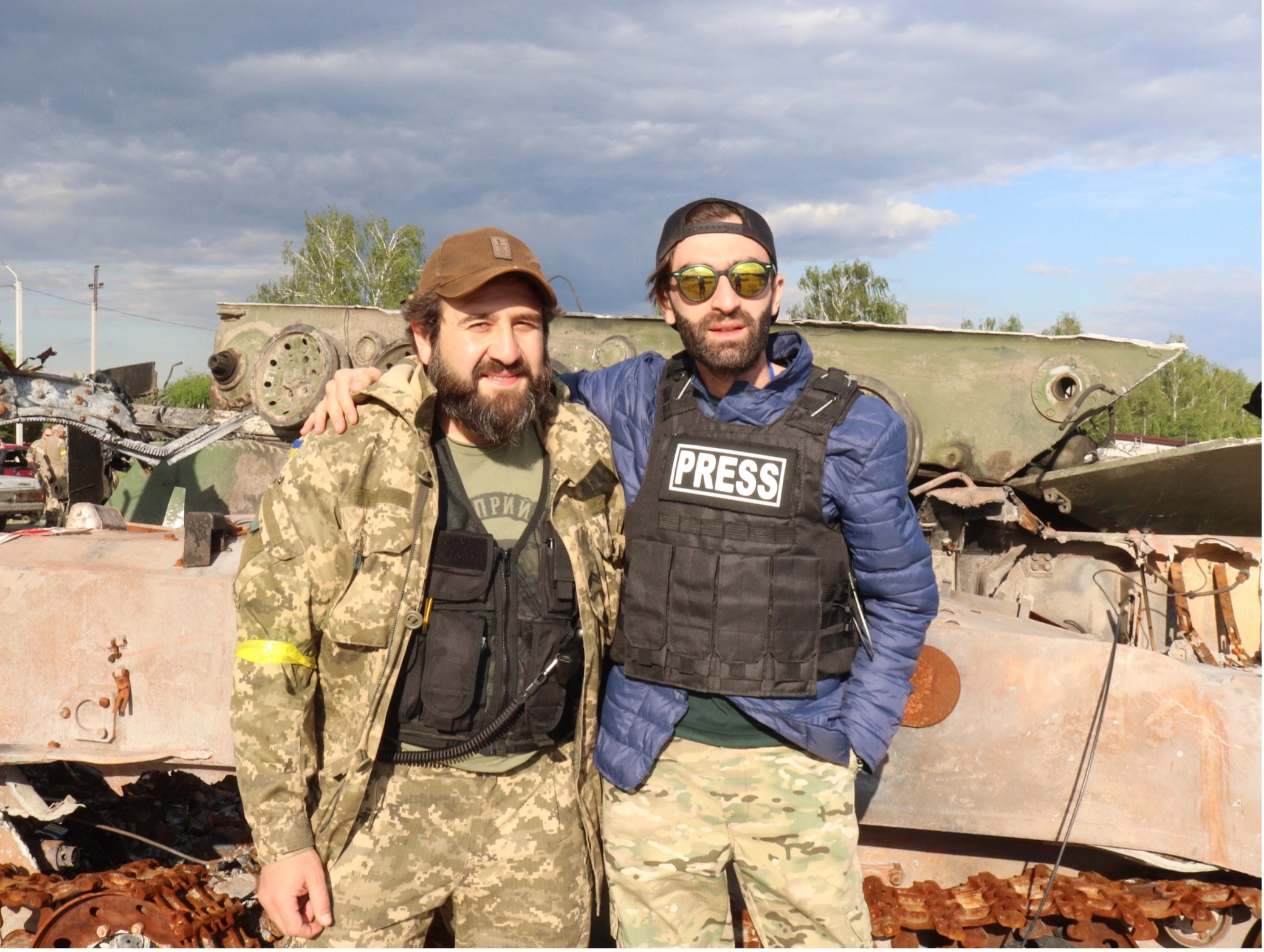
We Georgians understand what it means to face Russian tanks on our streets. We too have buried civilians murdered in their homes. And we too know: if Ukraine falls, we lose something that may never return.
What happened in Bucha and Irpin was not a tragic accident. It was systematic terror: tied hands, mass graves, rape, torture, executions. Russia didn’t even try to hide these crimes – they showed them to the world like a warning. But Ukraine didn’t break. If anything, it grew stronger.
Before Bucha, there was Abkhazia
We must remember: before Bucha, there was Abkhazia.
Because for Georgians, Bucha is not unfamiliar. We’ve lived this before.
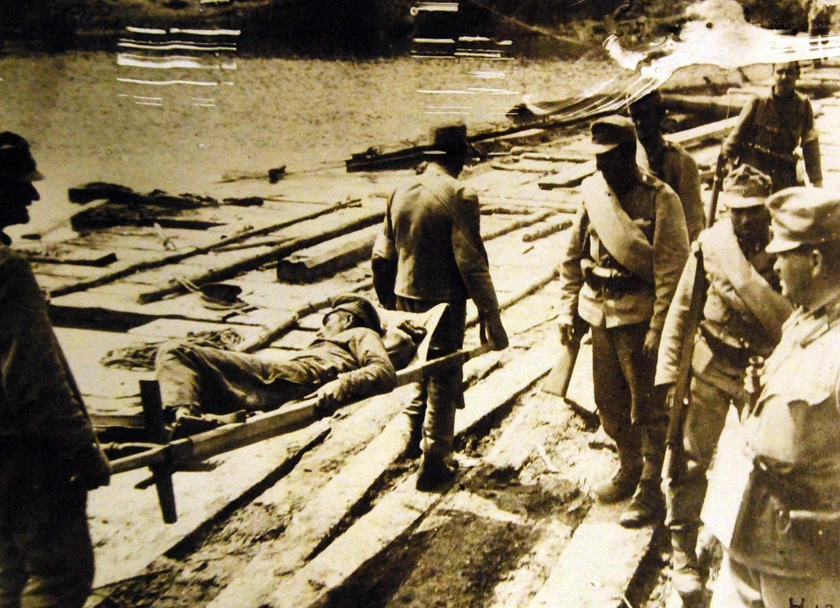
In 1992-1993, Russia backed separatist forces in Georgia’s Abkhazia region. What followed was one of the bloodiest chapters in post-Soviet history – almost completely forgotten by the world.
Russian military personnel fought alongside separatists. Villages were burned. Entire families were wiped out. Over 200,000 ethnic Georgians were expelled from their homes in what was clearly ethnic cleansing. Thousands were murdered in cold blood.
In towns like Gagra, Sukhumi, and Ochamchire, civilians were hunted down, women raped, children shot. Some were thrown alive into wells or burned inside houses. Hundreds are still missing. The international community never recognized it as genocide – but for those who lived through it, the intent was clear.
Today, Abkhazia remains under Russian control. Ethnic Georgians who lived there for centuries are still displaced. Moscow’s puppet regime rules the region, while Russia builds military bases and redraws borders with barbed wire.
When I saw Bucha, I saw Abkhazia. The same brutality. The same occupiers.
That’s why Georgians support Ukraine – not just politically, but emotionally. We know what it means to be invaded by Russia. We know what it’s like to lose your home, your people, your future – and still keep fighting.
If Ukraine falls, Georgia is next. Moldova is next. The Baltic states are next. That’s why this war matters far beyond Kyiv or Donetsk.
Bucha is now a global symbol – not only of Russia’s cruelty, but of Ukraine’s resilience. I went there to report. I left as a witness. And as a Georgian, I left with something else: pride.
My countrymen stood with Ukraine when it mattered. And we still do.
Слава Україні. დიდება გმირებს. Glory to the heroes.
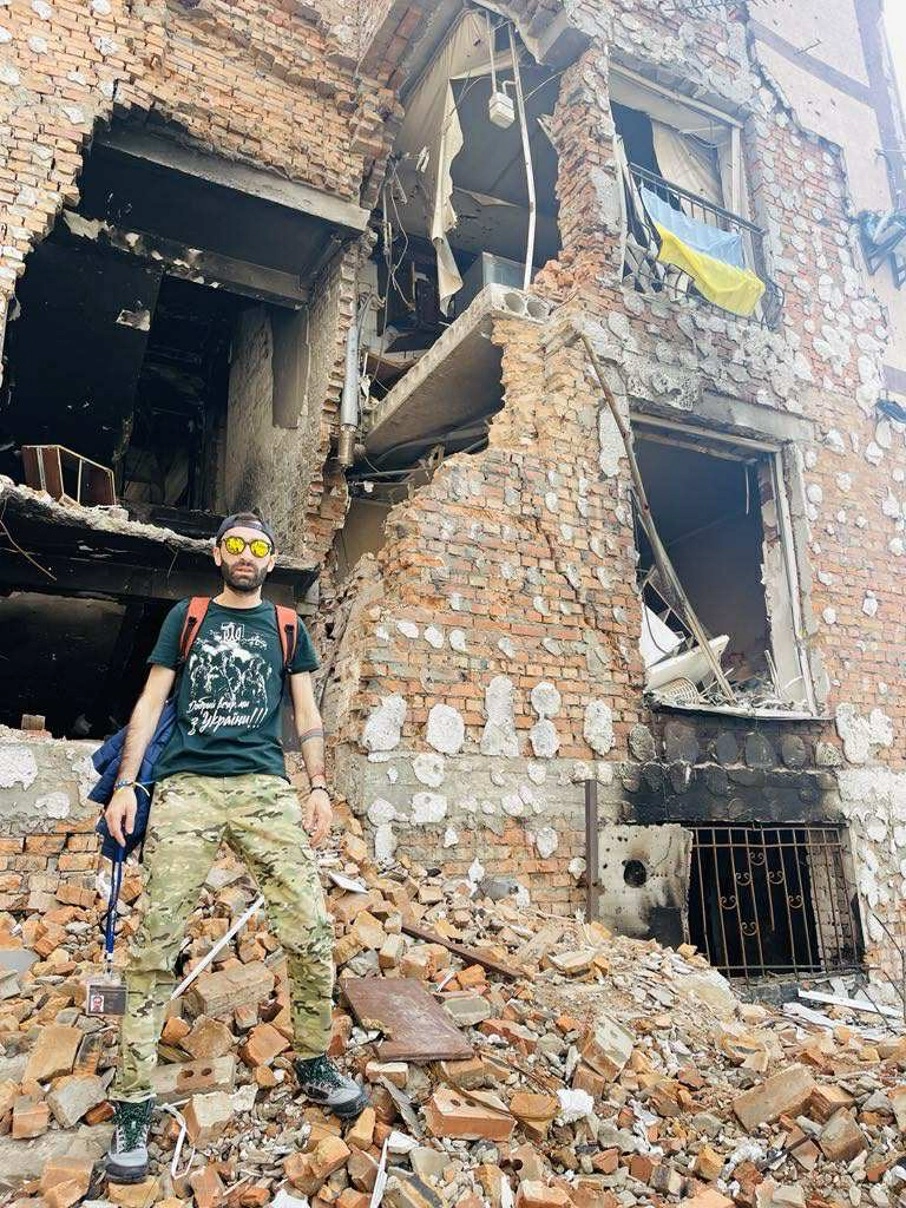
The views expressed in this opinion article are the author’s and not necessarily those of Kyiv Post.
You can also highlight the text and press Ctrl + Enter