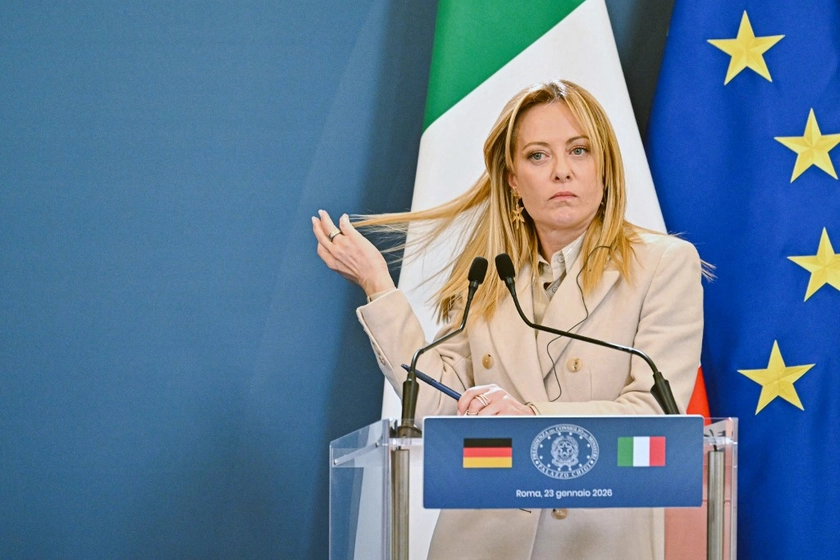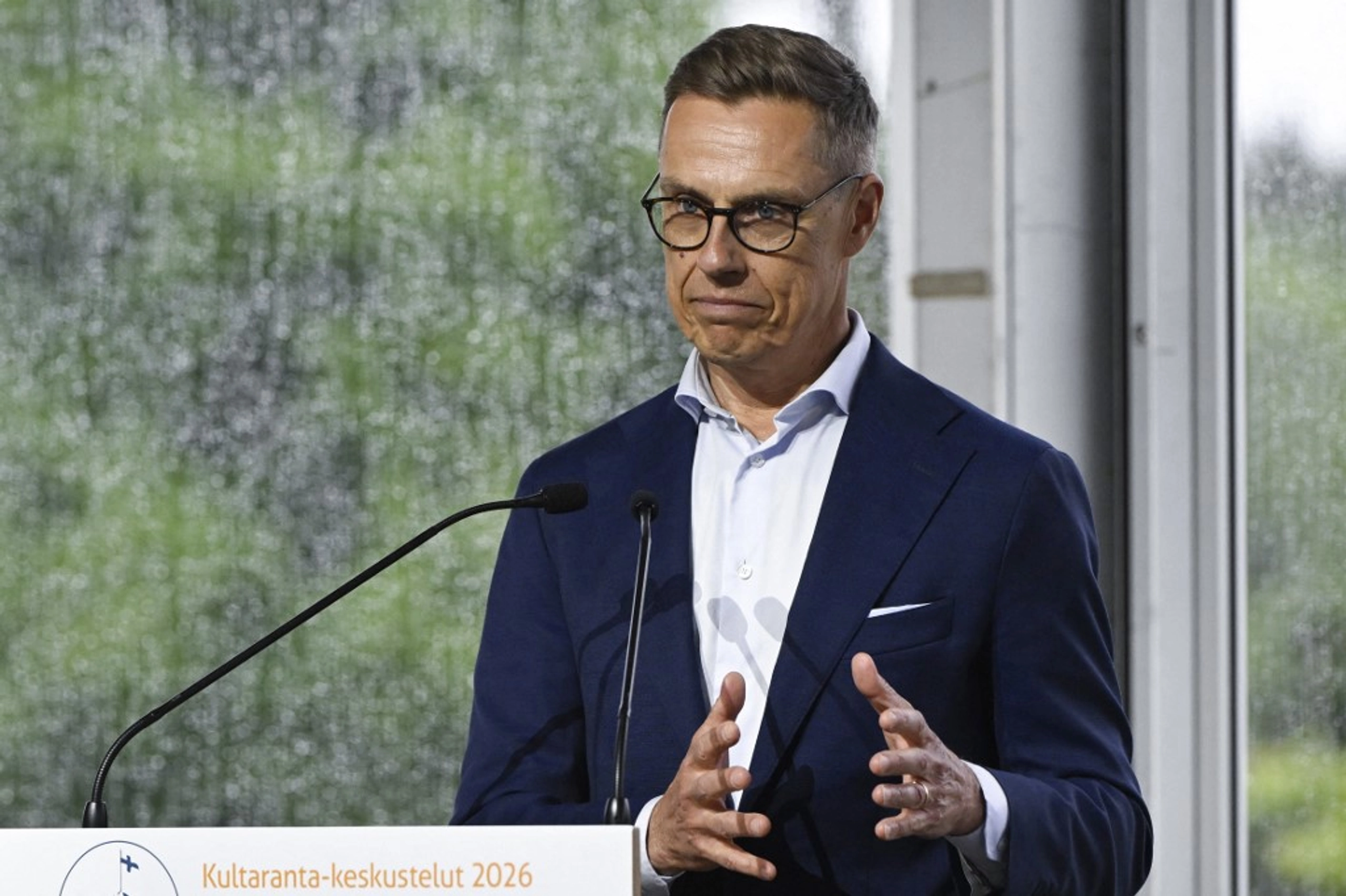
Italian Prime Minister Giorgia Meloni is pushing the EU to appoint Finnish President Alexander Stubb as a unified special envoy for future peace negotiations between Ukraine and Russia, Corriere della Sera reported.
Frustration over European turf wars
Meloni is dissatisfied with the EU’s inability to settle on a single diplomatic representative to manage potential negotiations. The Italian premier believes the selection process is being intentionally dragged out because individual European powers are jockeying behind the scenes to preserve a dominant, proprietary role in any future geopolitical settlement.
JOIN US ON TELEGRAM
Follow our coverage of the war on the @Kyivpost_official.
To break the institutional deadlock, Meloni has already conducted preliminary consultations with other European heads of state to outline the precise criteria required for a viable mediator. Her framework aims to bypass the traditional power struggles of the bloc’s heavyweights. The prospective envoy must not represent any of the EU’s largest states (such as France or Germany), thereby neutralizing traditional industrial and political competition between key players.
The candidate must hail from an internationally respected European nation, possess transatlantic connections with Washington, and hold a profound understanding of the strategic realities driving the war in Ukraine.
Based on these specific requirements, Meloni has tapped Finnish President Alexander Stubb as her primary favorite. While European Council President António Costa is also being floated as a potential candidate, Stubb’s position at the helm of NATO’s frontier state makes him the standout choice for Rome.
Key Developments as Ukraine War Grinds Through Summer
A G7 confrontation
Meloni is prepared to formally introduce Stubb’s candidacy on the global stage during the high-stakes G7 summit scheduled for June 15-17 in France.
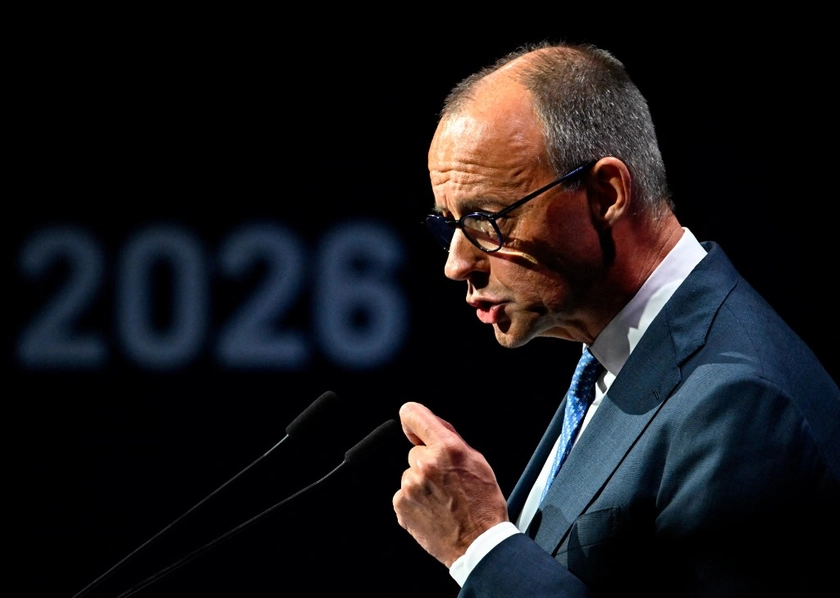
The proposal arrives at a sensitive diplomatic juncture. The core European powers – UK, France, and Germany (the E3) – are preparing to use the G7 summit to convince US President Donald Trump to back a refreshed diplomatic offensive.
Following a joint meeting with President Volodymyr Zelensky in London, the E3 outlined a peace framework that calls for an immediate ceasefire along current front lines, paired with security guarantees for Kyiv enforced by a multinational European force.
With US diplomatic focus temporarily diverted by the armed conflict involving Iran, European leaders view this as an opening to assume an influential role in steering the endgame of the war.
The view from Helsinki and Moscow
Meloni’s endorsement of Stubb aligns with the Finnish president’s recent assertive rhetoric. Speaking in Helsinki, Stubb maintained that the battlefield momentum has shifted due to Ukraine’s disruptive deep-strike drone campaign against Russian refineries and logistics.
“Ukraine’s in a position of strength now militarily, politically, and economically,” Stubb stated. “It’s high time for Europe to reach out to Putin.”
However, navigating a path to the negotiating table remains a monumental task for any future EU envoy. Russian President Vladimir Putin has continuously rejected immediate ceasefire proposals, claiming a pause in fighting would merely allow Ukraine to rebuild its forces.
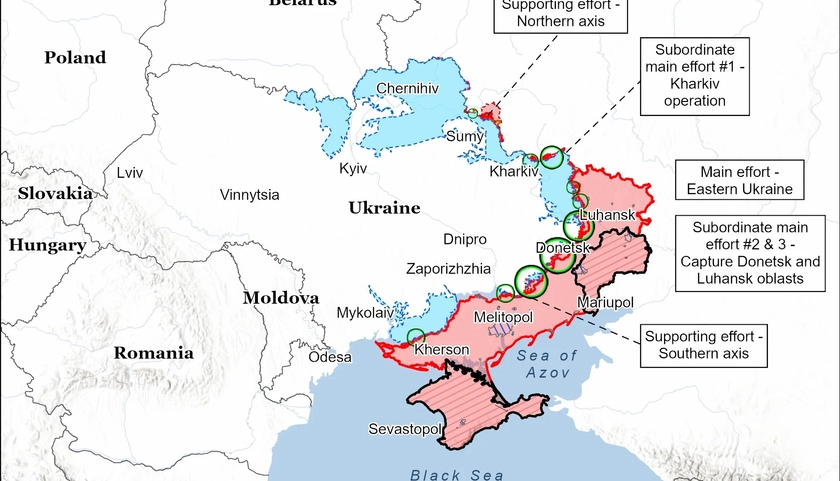
Furthermore, Putin has opposed the deployment of any European troops on Ukrainian soil and continues to demand that Kyiv completely surrender the entire Donetsk region – a demand Ukraine has repeatedly dismissed as a non-starter.
You can also highlight the text and press Ctrl + Enter