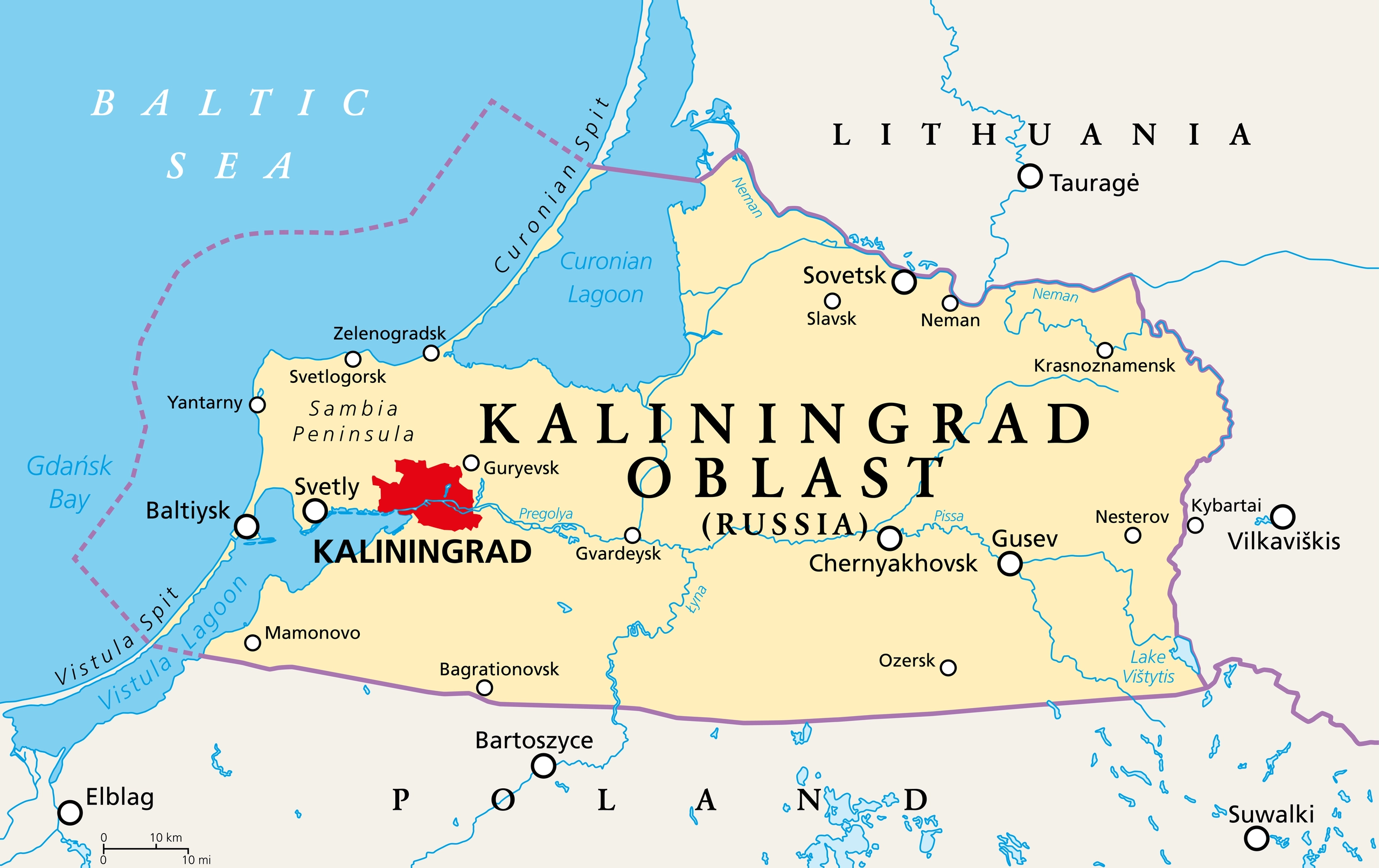
NATO could capture Russia’s Kaliningrad region “in a timeframe that is unheard of,” the commander of US ground forces in Europe and Africa said this week amid fears of future Russian aggression.
Speaking Wednesday at the Association of the US Army’s inaugural LandEuro conference in Wiesbaden, Germany, Lt. Gen. Christopher Donahue said NATO’s land forces have developed the ability to strike and seize strategic Russian positions faster than ever before.
JOIN US ON TELEGRAM
Follow our coverage of the war on the @Kyivpost_official.
“We can take that down from the ground in a timeframe that is unheard of – faster than we’ve ever been able to do,” Donahue said, as quoted by Defense News, referring to Russia’s Kaliningrad exclave, which is surrounded by NATO territory.
Kaliningrad, a heavily militarized strip of Russian land between Poland and Lithuania, has long been considered a potential flashpoint in the event of a broader NATO-Russia conflict.
Focus on the Eastern Flank
Donahue also revealed that the US Army and its NATO allies are now implementing a comprehensive new strategy known as the Eastern Flank Deterrence Line.
This plan aims to make NATO’s land forces stronger and help member countries work better together, especially when it comes to building and using military technology.
The first focus is on the Baltic states – Estonia, Latvia, and Lithuania – where NATO wants to clearly define what weapons and systems are needed so that industries across countries can produce them more effectively.
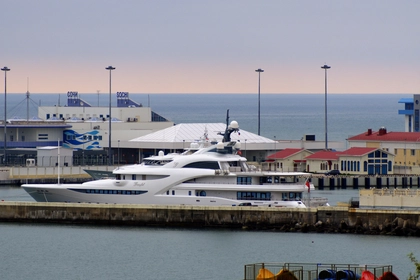
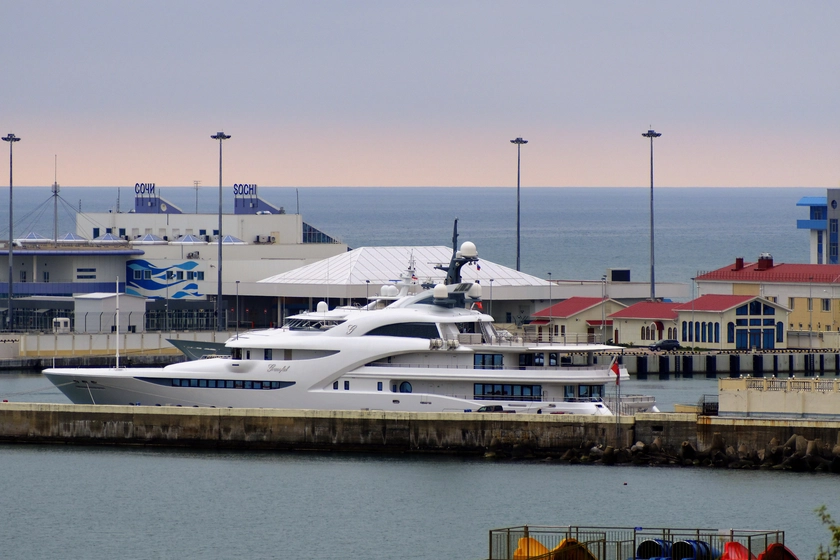
Putin-Linked Superyacht Sails Through Danish Waters Under Russian Naval Escort
Donahue said the goal is to stop threats from Russia by strengthening land forces.
“We know what we have to develop and the use case that we’re using is you have to [deter] from the ground,” he said.
“The land domain is not becoming less important, it’s becoming more important. You can now take down [anti-access, aerial-denial] A2AD bubbles from the ground. You can now take over sea from the ground. All of those things we are watching happen in Ukraine.”
Western intelligence reports say Russia might try to attack a NATO country within the next five to seven years. Many officials worry that Russia could use the excuse of “protecting Russian-speaking people” to send troops into the Baltic states.
Michael Cecire, a defense and security researcher at RAND, a Washington-based think tank that often does studies for the Pentagon, recently warned a bipartisan group of lawmakers that Russia, according to a number of assessments by European allies, “may be able to launch an attack against NATO within the next 5-10 years.”
Because of these fears, NATO held Steadfast Defender 2024, its biggest military exercises since the Cold War. More than 90,000 troops from across the alliance took part, along with dozens of warships, aircraft, and tanks.
NATO’s Secretary General, Mark Rutte, warned that the Western defencs alliance would respond with a “devastating” blow to any attack by Russia on Poland or another ally.
“If anyone were to miscalculate and think they can get away with an attack on Poland or on any other ally, they will be met with the full force of this fierce alliance,” Rutte told reporters on a visit to the Polish capital in March.
You can also highlight the text and press Ctrl + Enter