Russia’s grinding offensive in eastern Ukraine has scored new gains and is – a bit – nearer the key logistics and transportation hub of Pokrovsk than ever before. In doing so, however, Ukraine’s strategy of inflicting the maximum toll in soldier lives on the Kremlin for every meter gained is still in force, Kyiv’s troops say.
According to official statements and news reports, Russian patrols penetrated temporarily into the city last week, and on Wednesday both sides were reporting fierce battles in progress as close as six kilometers (3.75 miles) from the city.
JOIN US ON TELEGRAM
Follow our coverage of the war on the @Kyivpost_official.
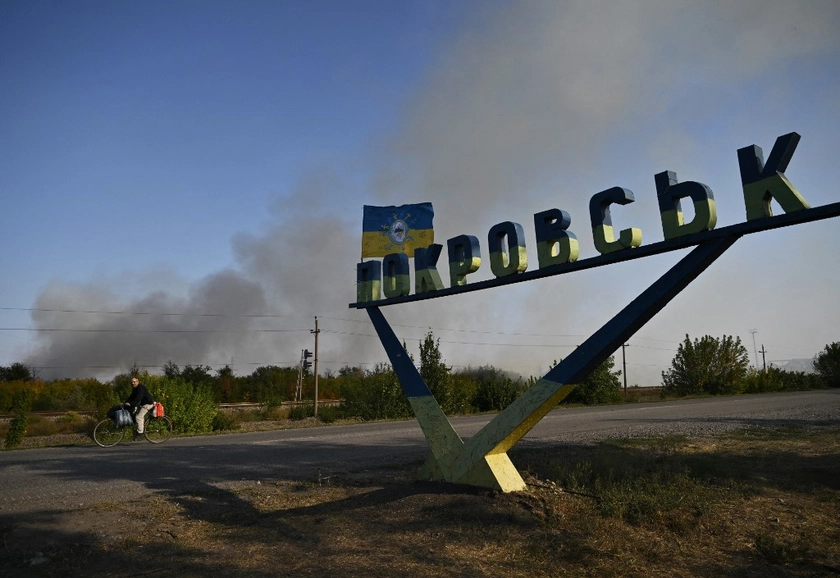
Ukraine’s General Staff called the Pokrovsk sector the hottest on the entire fighting front on Wednesday, with fully one-third of all current combat engagements along the front involving forces deployed in and around the city. Pokrovsk, a logistics hub with a pre-war population of 60,000, has been the objective of a relentless Russian ground and air offensive launched in February 2024.
In that time, advancing in increments of often only a few dozen or hundred meters a day, Russian forces have gained about 30 kilometers (19 miles) with the closest Russian lines currently are about less than a dozen kilometers from the city proper.
Konstantyn Mashovets, a military analyst writing for the Ukrainian Glavkom news agency, in an analysis of Russian objectives in the Pokrovsk sector on July 27 said Moscow’s intent is simultaneously to wear down Ukrainian forces with continuing attacks and to capture Pokrovsk by bypassing it and interdicting Ukrainian supply lines with drones and artillery.
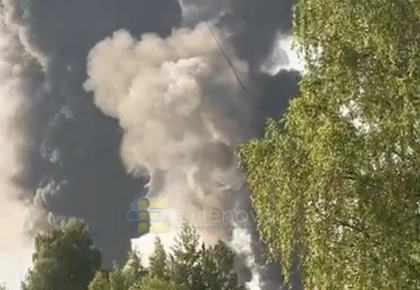
Ukraine Launches Drone Blitz on Russian Explosives Plants and Fuel Hubs
Moscow has concentrated forces with an “on-paper” strength of around 110,000 men for the job. These forces are poorly trained and already badly weakened from previous losses, so they are unable to advance quickly and suffer heavy and sometimes crushing losses, Mashovets says.
Since late July, Ukraine military reports say the main Russian effort towards Pokrovsk has shifted to the north-eastern and south-western approaches to the city, focusing, respectively, on the outlying village of Kotlyne, and a town in Pokrovsk’s northern outskirts called Rodynske.
Back-and-forth fighting for Kotlyne with one side capturing and then losing the village has been ongoing since February. Russian mil-bloggers announced Russian infantry had retaken Koltyne over the weekend while a Monday General Staff press release confirmed Russian patrols had penetrated the middle of the settlement but claimed Ukrainian infantry had run off or destroyed them.
Rodynske, a sizable town with a pre-war population of about 10,000, had been relatively peaceful until mid-July when Russian forces hit the town with artillery and air strikes. On Sunday, Russia’s Defense Ministry claimed its 9th Motorized Rifle Battalion has entered the town and the adjacent village of Bilytske and that heavy fighting was raging along the main railway line.
“Currently, in the Pokrovsk sector, the enemy’s greatest attention is focused on Rodynske. Active fighting is already underway on the approaches to this location. [Ukrainian] Defense Forces are making maximum efforts to prevent the enemy from advancing. We are monitoring the situation and responding to any changes,” a statement by Ukraine’s 2nd Corps “Khartiya” said on Monday.
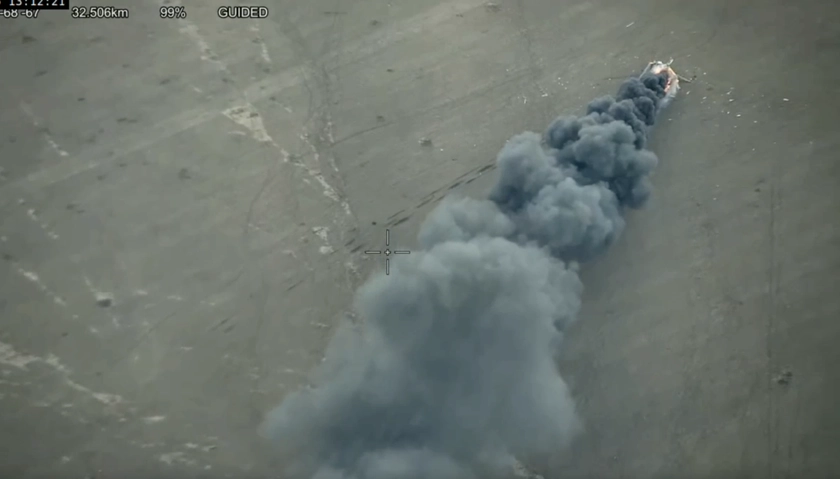
Geo-located drone video published the same day by Ukraine’s 4th Battalion of the Rubizh Brigade showed FPV aircraft hunting down and attacking Russian soldiers in a village six kilometers (3-4 miles) east of Rodynske.
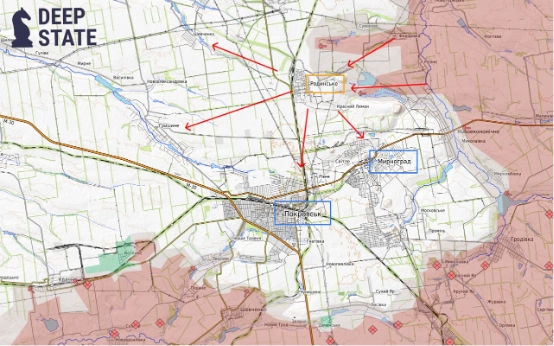
A video clearly showing the direction and incremental progress of the Russian offensive towards Pokrovsk was published by the military information group DeepState on July 21, can be viewed here.
Following the massed deployment of strike drones by Ukrainian forces in early 2024, Russian commanders switched tactics away from traditional massed artillery bombardments supporting waves of armored vehicles, to the dispatch of small groups of infantrymen seeking to exploit gaps in Ukrainian lines.
A Ukrainian scout unit leader call sign “Chaika” said of defenses in the Pokrovsk sector in an interview published by the Ukrainian military writer Yury Butusov on Wednesday that “Right now, maybe because there are insufficient troops, of infantry, the front is not getting narrower, but wider. There are gaps between positions of 200 or 300 meters. And it’s through those gaps that Russian troops start driving motorcycles, between the positions, and then start digging-in in our rear areas. Our job is to find them and mop them up, but sometimes that’s not possible.”
Kyiv Post geo-located the soldier’s unit, Rubizh Brigade, to the Pokrovsk sector.
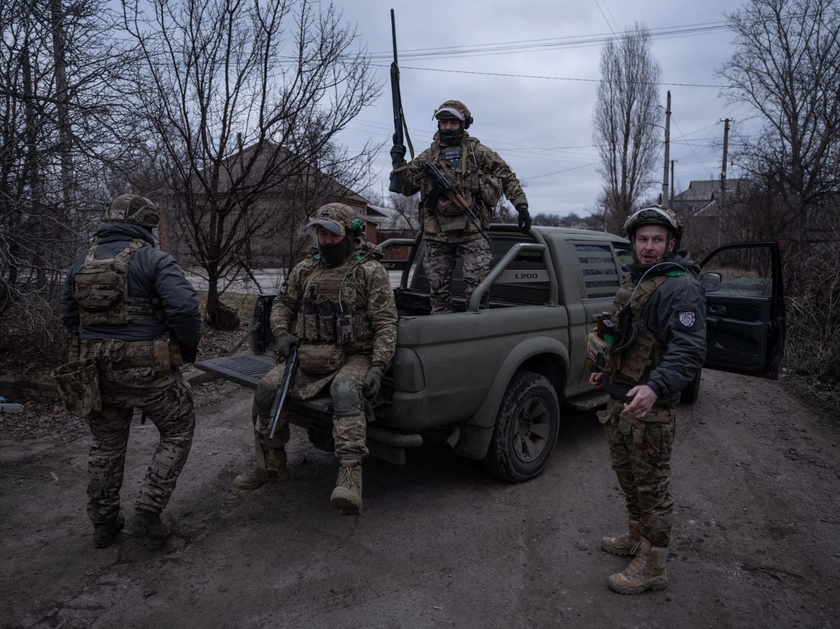
Content published by other Ukrainian units in the sector told of constant fighting and continuous Russian attacks with small-scale territorial gains but generally telling of Ukrainian lines holding under pressure.
Strike video published by the National Guard drone unit Sparta on an internal Telegram channel on Tuesday showed Ukrainian FPV drones hunting down individual Russian soldiers.
A Sparta pilot claimed his sector was a “dead zone” in which “dozens” of Russian troops had died in a single day from FPV hits, adding text to a gruesome video of strikes on enemy soldiers, some of them wounded: “Welcome to Hell, occupier!”
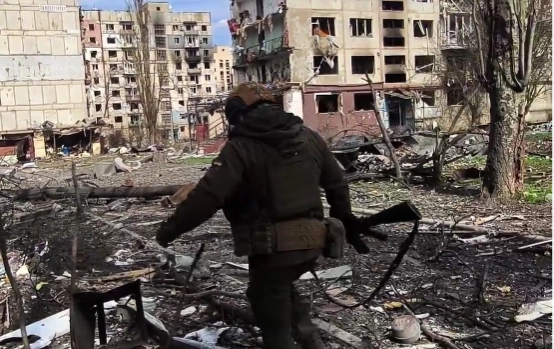
Images uploaded by a trooper in the 68th Jaeger Brigade from inside the city showed apartment buildings with entire facades destroyed by explosions, a ruined rail station and city administration buildings, and a few local residents unwilling to evacuate. The brigade is holding and will continue to do so, a unit statement said.
An officer in the French-trained 155th Mechanized Brigade, told Radio Liberty on July 31 that Ukrainian forces still had full control of Pokrovsk city and that the defensive perimeter was stable and holding.
Video published by the brigade on Aug. 1 showed one of its German-made Leopard 2A4 tank moving at speed down secondary roads and sidewalks in the city, firing at unidentified targets. The tank commander call sign Golivud (Hollywood) said he and his crew mostly perform “shoot-and-scoot” missions against enemy infantry spotted moving in the sector.
Russian drone operators reached positions from which they could attack military supply and civilian vehicles traveling to and from Pokrovsk in May. By June Russian artillery was well within range of the city and approach roads to the west of it.
“There is an unbelievable number of drones, nothing like I’ve ever experienced before…the logistical routes are getting cut by these drones, it’s just a disaster,” Chaika told Butusov.
You can also highlight the text and press Ctrl + Enter