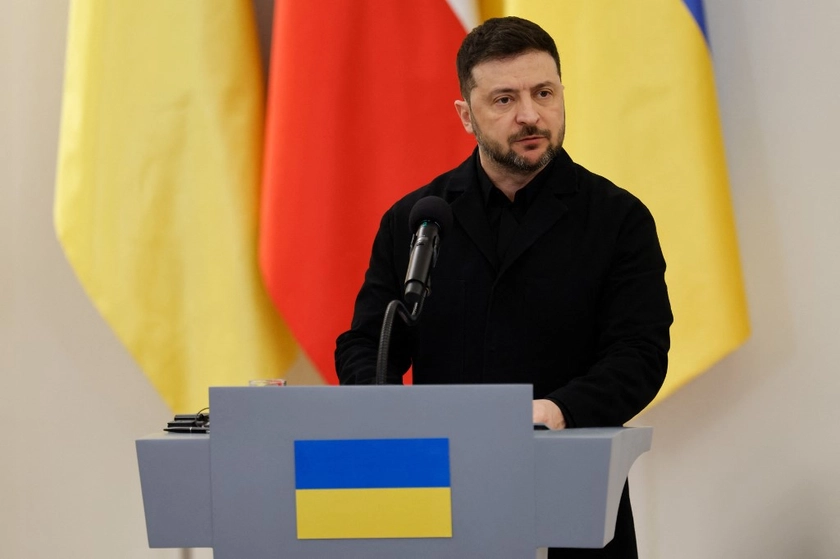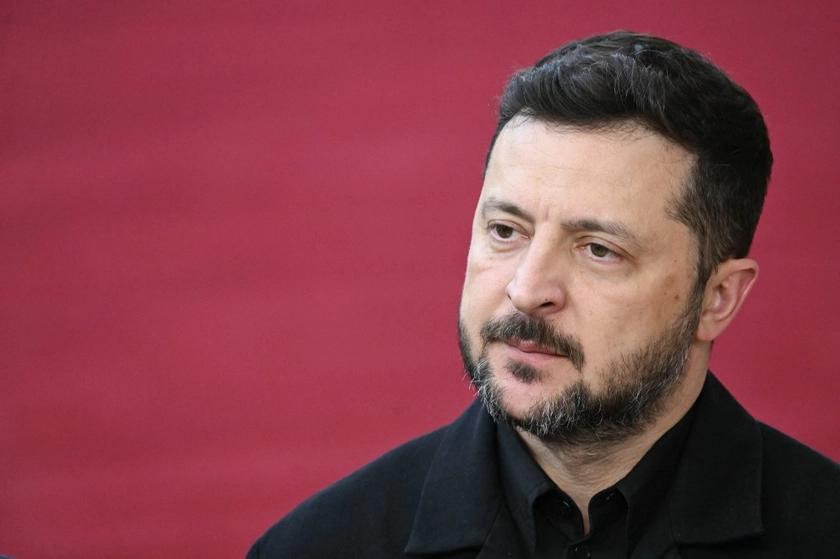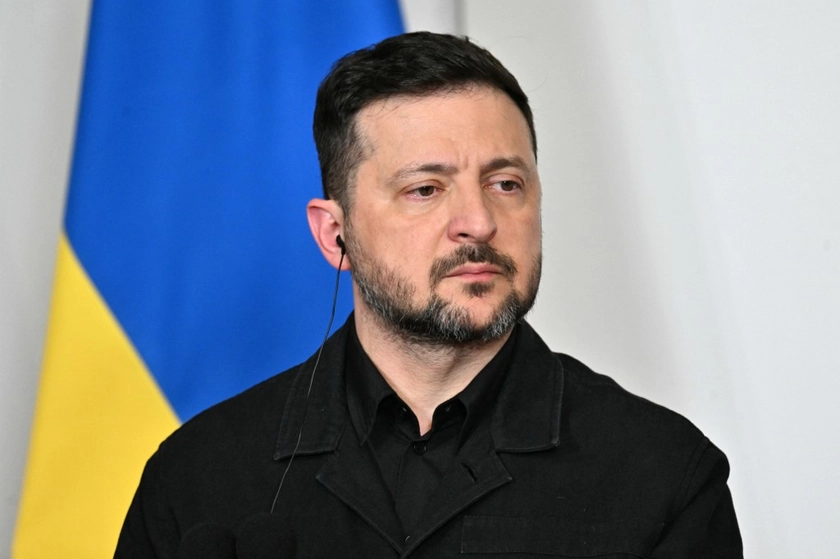
WASHINGTON DC – The White House is bracing for a high-stakes phone call today with a coalition of European leaders and Ukrainian President Volodymyr Zelensky, an exchange that comes amid growing questions about President Donald Trump’s evolving approach to Russia’s war and a recent deadline that passed without consequence.
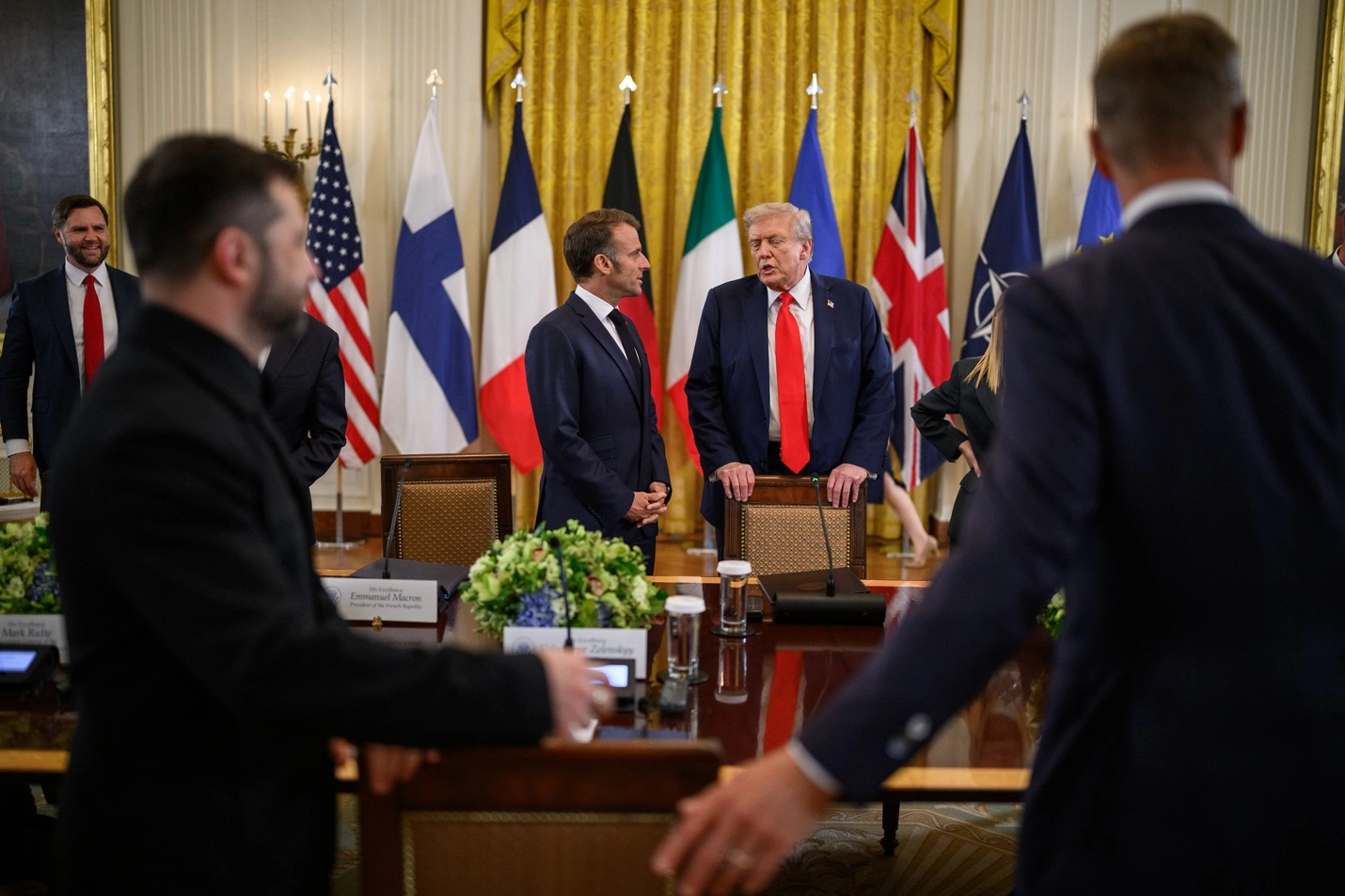
The expected call, which senior Trump administration officials confirmed to Kyiv Post on Wednesday evening, will follow a Paris gathering where European leaders, co-chaired by France and the UK, yesterday focused on firming up post-war security guarantees for Kyiv.
JOIN US ON TELEGRAM
Follow our coverage of the war on the @Kyivpost_official.
The meeting underscored a growing sense of urgency among US allies to define their own position as the White House’s strategy has become increasingly ambiguous.
Moment of clarification
Speaking to reporters in the Oval Office on Wednesday afternoon, Trump hinted to his upcoming call, but left open whether his imminent conversation was with Zelenskyy or Russian President Vladimir Putin.
A White House official later clarified that the call was indeed set for Thursday with the Ukrainian president and other European leaders, a public correction that nonetheless highlighted the diplomatic tightrope the administration is walking.
Allies seek a unified front
In Europe, the upcoming call is seen as a critical opportunity to repair relations and provide clarity to a transatlantic alliance that has been frayed by the US president’s mixed messages, two Western diplomats told Kyiv Post Wednesday evening.
Nawrocki Rejects Claim He Revoked Zelensky Honor for Political Gain
As European nations move to formalize security guarantees for Ukraine, there is a clear desire to understand the extent of US involvement, one diplomat clarified.
NATO chief Mark Rutte also seems to have acknowledged this need, stating earlier on Wednesday that he expected the Paris talks to help “get a clearer picture of US involvement.”
Putin’s diplomatic offensive, Trump’s rhetoric – under scrutiny
The urgency is driven by what European leaders have described as Putin’s “unwillingness” to agree to a peace deal, despite his own diplomatic offensive.
The Kremlin leader, who recently visited China, projected an air of defiance, vowing to continue fighting if a peace deal could not be reached. Kyiv quickly dismissed his offer to meet with Zelensky in Moscow as “unacceptable.”
Speaking to Kyiv Post, another Western diplomat highlighted Trump’s recent rhetoric and actions as “not helpful either”
While the US President’s offer to send more troops to Poland was welcomed by Warsaw as a sign of reassurance, his public comments about his relationships with authoritarian leaders have caused unease.
The diplomat particularly highlighted Trump’s social media post in which he was asking Chinese President Xi Jinping to give his “warmest regards to Vladimir Putin, and Kim Jong Un, as you conspire against The United States of America”.
As today’s call approaches, the world will be watching to see if it can bridge the growing transatlantic divide or if it will only further expose the fractures within the coalition against Russian aggression.
Deadline missed
Trump’s high-stakes call also comes as his self-imposed 50-day deadline set for Putin to end the war has passed without consequence. The failure to act has drawn sharp criticism from analysts and humanitarian organizations working to support Ukraine.
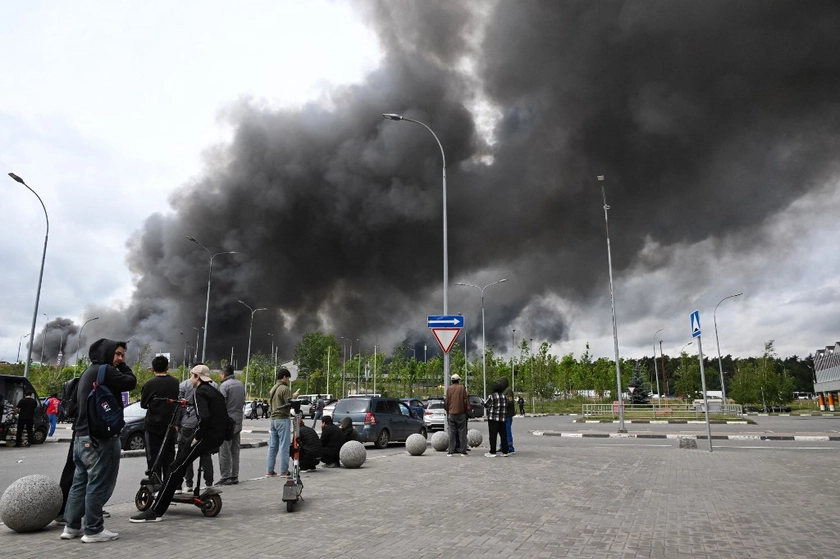
Yuriy Boyechko, CEO of the US-based Hope for Ukraine, told Kyiv Post on Wednesday that Putin marked the passing of the deadline with another massive attack on Ukrainian civilians.
“The strategy the White House pursued over the past eight months to bring peace to Ukraine through Russia has clearly failed,” Boyechko said.
He urged Trump to recognize that “Putin is neither his friend nor a friend of America,” arguing that the growing alignment between China, Russia, and North Korea represents a “fundamentally different worldview” that is irreconcilable with Western democracies.
Boyechko said that Trump’s hope of pulling Russia away from China’s influence is “unrealistic” given their shared ideological goal of ending US dominance.
Path forward
In the meantime, Boyechko believes Trump still has an opportunity to “correct the course on Ukraine and restore America’s standing globally” by rebuilding relationships with Western allies.
A united front between the G7 and the EU, he said, could present a “firm and clear plan to bring peace to Ukraine, with harsh consequences for those who are not interested in ending the war.”
The division between the US and the EU, he added, has weakened both sides. By leveraging their collective economic power over China, which relies on Western markets, the two blocs could send a powerful message to Beijing to pressure Putin to end the war.
You can also highlight the text and press Ctrl + Enter