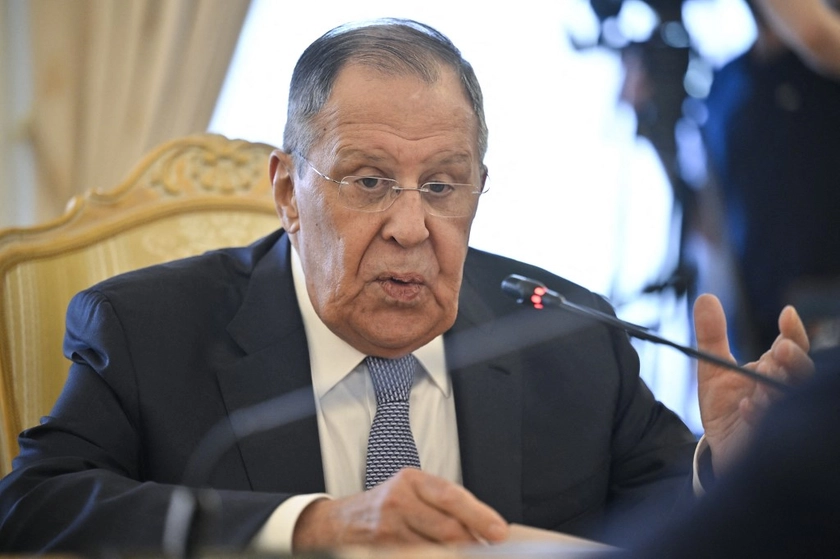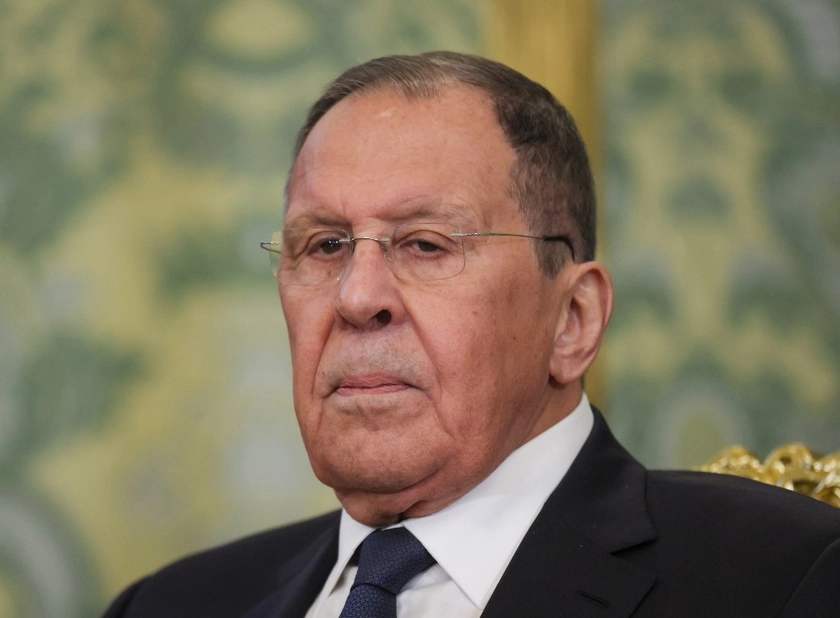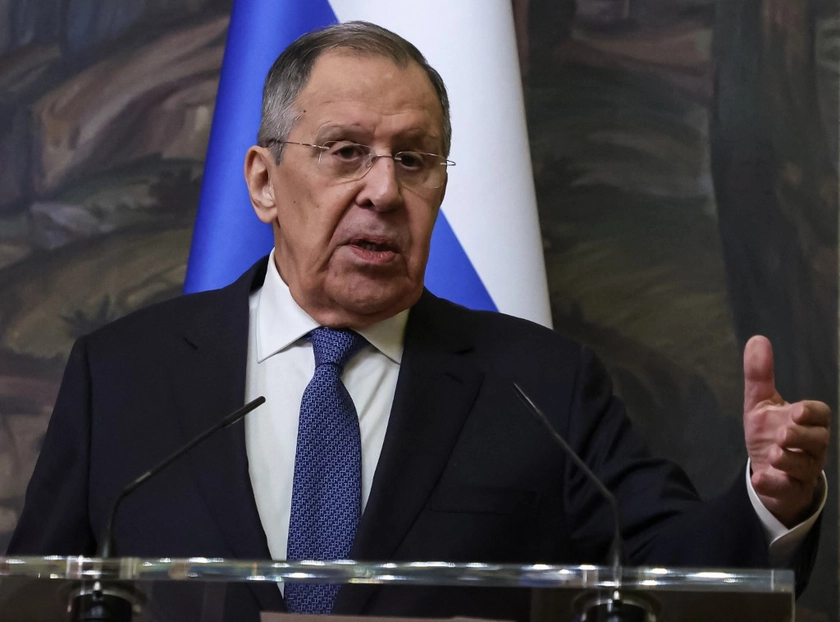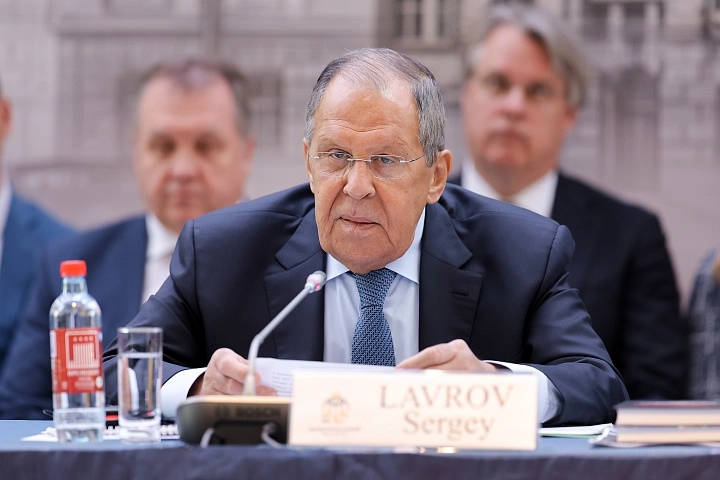
The Russian Ministry of Foreign Affairs hosted a high-level diplomatic event in Moscow on Sept. 17, to which ambassadors from over 100 countries were invited to discuss the war in Ukraine within the framework of the United Nations Charter.
Russian Foreign Minister Sergey Lavrov, who preferred to call the war “the Ukrainian Crisis” throughout, spent the better part of an hour underlining Moscow’s view that the West had usurped the charter to the detriment of Russia.
JOIN US ON TELEGRAM
Follow our coverage of the war on the @Kyivpost_official.
Russia’s Foreign Minister bemoaned the fact that representatives of NATO member states now hold the majority of key posts in the UN Secretariat. He said that the West had effectively “privatized” the organization, undermining its neutrality and credibility.
According to Lavrov, senior UN officials from member nations of the North Atlantic alliance – such as the Secretary-General António Guterres, who is Portuguese – control the UN’s key policy areas of conflict resolution, peacekeeping, humanitarian issues, security, and UN reform.
Lavrov noted that the first deputy secretary-general, although ostensibly Nigerian, holds US citizenship – about which, he commented, “you can draw your own conclusions.”
He said that it should therefore come as no surprise that the UN continued to “protect the Kiev (sic) regime in every way” – claiming, for instance, that the secretariat had failed to reveal those responsible for “bloody falsifications” surrounding the mass killing of civilians in the Ukrainian town of Bucha in April 2022, in which he maintained Russian troops were entirely innocent.
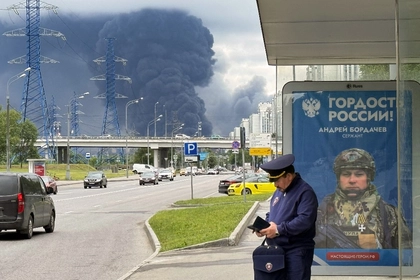
Ukrainian Missile Campaign Now Reaches Across Half of Russia
Lavrov then accused the UN leadership of siding with “Ukraine and its European backers” in falsely condemning “Russian attacks” on Ukrainian cities, then demanding “that Russia be somehow punished.”
Despite overwhelming evidence to the contrary, Lavrov claimed that the Russian army “never attacks or hits civilian facilities and civilians.”
He added that each accusation against the Russian Army “then turned out to be committed by the Ukrainian regime itself” – but provided no evidence of this.
Next, Lavrov accused Kyiv of torpedoing the efforts of the US administration to find a peaceful settlement in “every possible way.”
Quoting President Volodymyr Zelensky’s recent comments about a “need to motivate China to take a path without war,” Lavrov accused the president of attempting to set the US and Europe against the People’s Republic of China in order to “divide and rule or escalate the situation – that’s how many swindlers and adventurers behave.”
Lavrov later said that any security guarantees provided to Ukraine by its allies must comply with the obligations of the UN Charter and the OSCE Istanbul agreements, adding – apparently without irony – that these “must be based on the principles of indivisible security and that no country has the right to strengthen its security at the expense of others.”
At this point, he seemed unable to resist threatening Ukraine’s allies – stating that any discussion of deploying Western peacekeepers to Ukrainian territory had “no place at the negotiating table.”
He added that the idea had already been rejected by the Kremlin, which sees it as being intended to “protect the Nazi regime in those parts of Ukraine... [where it] bans the Russian language and the canonical Ukrainian Orthodox Church in all spheres of life.”
Moscow has previously warned that any unauthorized foreign military presence in Ukraine would be treated by its forces as “a legitimate military target.”
Although the event was billed as a forum to discuss the UN’s role in resolving Russia’s war, Lavrov instead used it to suggest that Russia must take back “the levers of control” within the UN Secretariat.
Or, as he put it, to “restore the organization’s role as a platform for compromise and the balancing of global interests.”
It’s difficult to see which global interests Lavrov meant exactly – aside, of course, from Russia’s.
According to Lavrov, senior UN officials from member nations of the North Atlantic alliance – such as the Secretary-General António Guterres, who is Portuguese – control the UN’s key policy areas of conflict resolution, peacekeeping, humanitarian issues, security, and UN reform.
Lavrov noted that the first deputy secretary-general, although ostensibly Nigerian, holds US citizenship – about which, he commented, “you can draw your own conclusions.”
He said that it should therefore come as no surprise that the UN continued to “protect the Kiev (sic) regime in every way” – claiming, for instance, that the secretariat had failed to reveal those responsible for “bloody falsifications” surrounding the mass killing of civilians in the Ukrainian town of Bucha in April 2022, in which he maintained Russian troops were entirely innocent.
Lavrov then accused the UN leadership of siding with “Ukraine and its European backers” in falsely condemning “Russian attacks” on Ukrainian cities, then demanding “that Russia be somehow punished.”
Despite overwhelming evidence to the contrary, Lavrov claimed that the Russian army “never attacks or hits civilian facilities and civilians.”
He added that each accusation against the Russian Army “then turned out to be committed by the Ukrainian regime itself” – but provided no evidence of this.
Next, Lavrov accused Kyiv of torpedoing the efforts of the US administration to find a peaceful settlement in “every possible way.”
Quoting President Volodymyr Zelensky’s recent comments about a “need to motivate China to take a path without war,” Lavrov accused the president of attempting to set the US and Europe against the People’s Republic of China in order to “divide and rule or escalate the situation – that’s how many swindlers and adventurers behave.”
Lavrov later said that any security guarantees provided to Ukraine by its allies must comply with the obligations of the UN Charter and the OSCE Istanbul agreements, adding – apparently without irony – that these “must be based on the principles of indivisible security and that no country has the right to strengthen its security at the expense of others.”
At this point, he seemed unable to resist threatening Ukraine’s allies – stating that any discussion of deploying Western peacekeepers to Ukrainian territory had “no place at the negotiating table.”
He added that the idea had already been rejected by the Kremlin, which sees it as being intended to “protect the Nazi regime in those parts of Ukraine... [where it] bans the Russian language and the canonical Ukrainian Orthodox Church in all spheres of life.”
Moscow has previously warned that any unauthorized foreign military presence in Ukraine would be treated by its forces as “a legitimate military target.”
Although the event was billed as a forum to discuss the UN’s role in resolving Russia’s war, Lavrov instead used it to suggest that Russia must take back “the levers of control” within the UN Secretariat.
Or, as he put it, to “restore the organization’s role as a platform for compromise and the balancing of global interests.”
It’s difficult to see which global interests Lavrov meant exactly – aside, of course, from Russia’s.
You can also highlight the text and press Ctrl + Enter