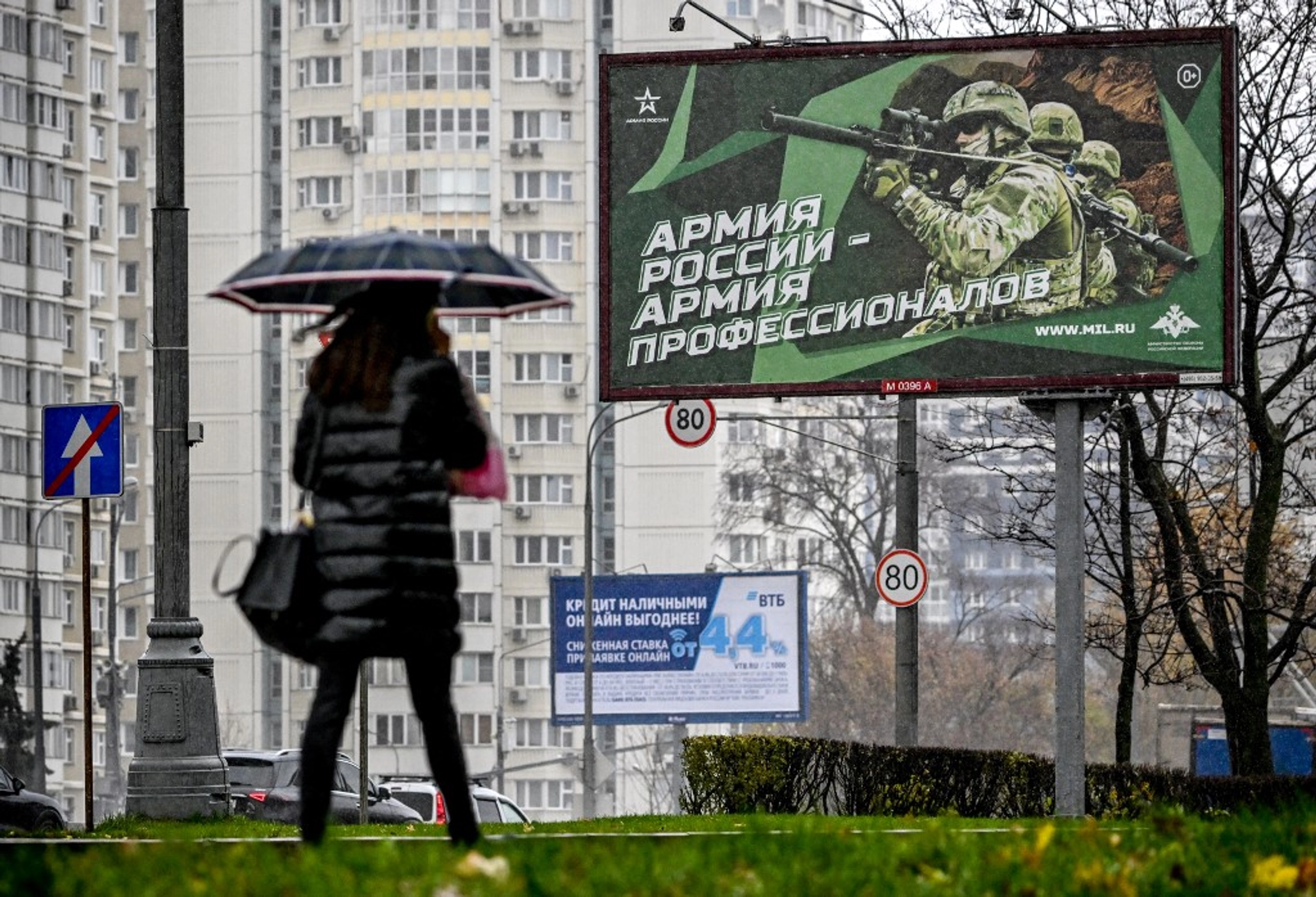
A Russian government committee has proposed lowering the threshold for criminal liability in absent without official leave (AWOL) cases for Russian troops from 10 days to just two.
Under current rules, soldiers going AWOL for fewer than 10 days face internal disciplinary action, while absences beyond that carry criminal charges punishable by up to 10 years in prison.
JOIN US ON TELEGRAM
Follow our coverage of the war on the @Kyivpost_official.
Russian media platform Vedomosti, citing its own government sources, said the changes, proposed via amendments to an existing law, will apply to both conscripts and contract soldiers.
The explanatory note of the bill said the current approach discourages troops from maintaining discipline and complicates oversight of their duties, according to Vedomosti.
The proposed bill requires approval from both houses of parliament and a signature by Kremlin leader Vladimir Putin to become law.
Vladimir Gruzdev, chairman of the Board of the Association of Lawyers of Russia (ALR), told the publication that the amendment also proposes excluding AWOL days from a soldier’s length of service in a move to encourage discipline.
Excluding those days from service calculations would affect salary and pension payments, as well as the official duration of a soldier’s service.
Another lawyer told the publication that Russian troops often utilize the 10-day threshold by returning just before it expires to avoid criminal persecution.
At least 49,000 Russian soldiers have deserted or been declared AWOL as of May 2025, according to a Russian outlet, citing leaked documents from the defense ministry.
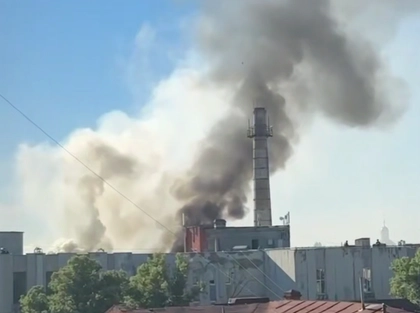
Ukraine Hits Targets 1,300 km Inside Russia, Striking Ufa Oil Refinery and Penza Missile-Linked Plant
However, Radio Liberty suggests the number could be much higher in its investigation, as cases are often not reported by local courts.
AWOL troops have cited family reasons or inadequate treatment in the military as some of the causes of their unauthorized absence, according to examples cited by the outlet.
For example, a mobilized soldier, Yuri Musaelyan, said he was absent for over a month to care for his sick father, but the court rejected his appeal and sentenced him to five and a half years in prison.
In another case, a soldier named Maxim Pecherichkin left to seek additional treatment for his war-related injuries and received a six-and-a-half-year sentence in a penal colony.
But in some cases, soldiers have accused their commanders of poor leadership – some said they went AWOL due to lack of pay, while others claimed they wanted to preserve their lives amid poor frontline coordination.
For some, they said they were simply unaware they had to return to service after being discharged from sanatoriums after rehabilitation.
You can also highlight the text and press Ctrl + Enter