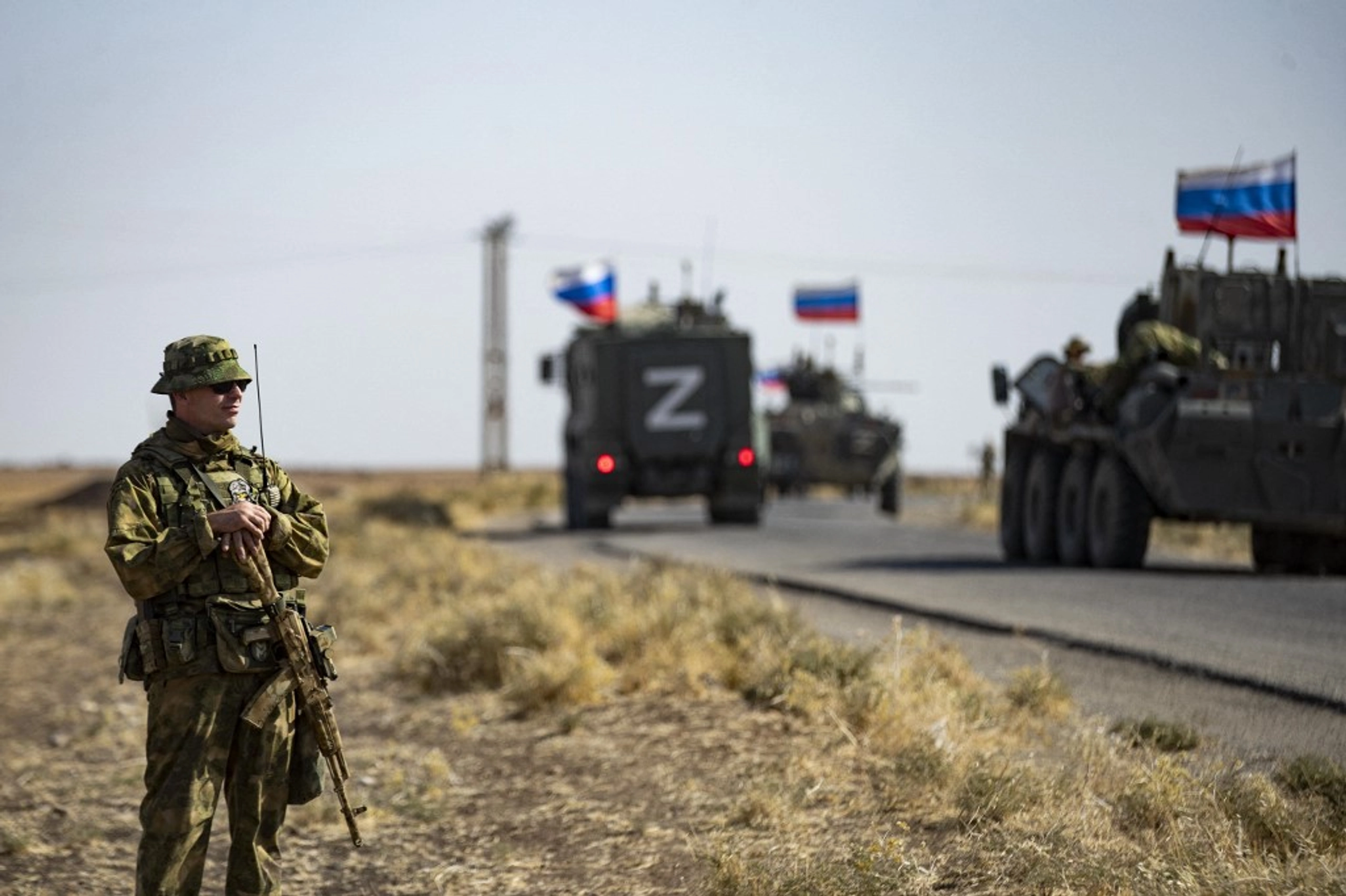
Russian pro-war military bloggers have said troops in Ukraine are surviving just “20–35 minutes” on the frontline owing to drone warfare and high-intensity infantry assaults.
The claims, circulated on Russian “Z-channels” on Telegram, amplified by the Ukrainian ASTRA channel and cited by the journal Foreign Policy, highlight how drone attacks and wasteful military tactics appear to be inflicting a withering toll on the Russian armed forces.
JOIN US ON TELEGRAM
Follow our coverage of the war on the @Kyivpost_official.
“The average life expectancy of a Russian assault soldier on the front line is 20–35 minutes,” one widely shared post said, adding that the time from training ground to deployment was now “10 days to 3 weeks.”
“The situation is such that in autumn there will either be peace or mobilization,” wrote the pro-war channel “Notes of a Veteran,” advising conscription-age men to prepare an “emergency backpack”.
Another Z-channel, “House Among the Laurels”, claimed that mass mobilization notices were being distributed across Russia, arguing this “indicates that the relevant instructions have been issued”.
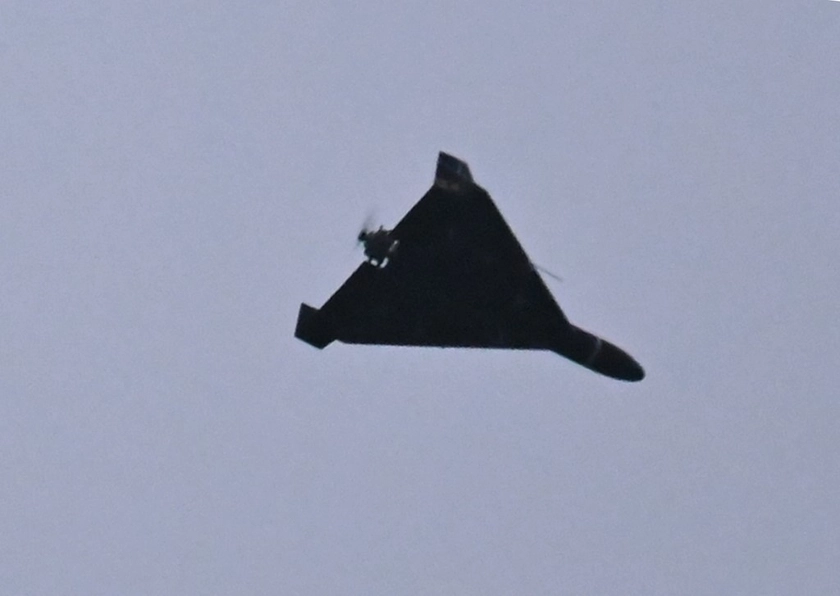
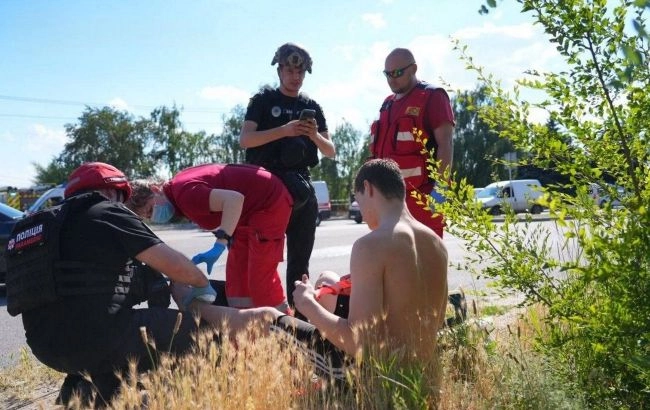
The posts also describe a war transformed by drones, with one author saying combat survival rates have collapsed, and many soldiers are “wounded or killed in the rear” before reaching the front line.
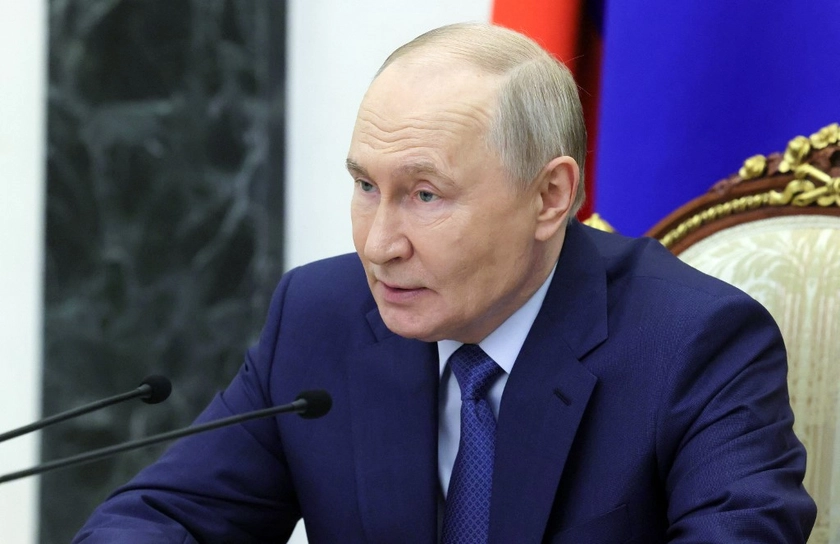
Putin Says Expecting US Negotiators Once US Less Busy With Iran
The figures were cited by historian Peter Frankopan in a column in Foreign Policy in which he linked the attrition rates to the impact of drones. The devices, he wrote, have become “the primary killing machines in this war”, while adding that they are reshaping the future of combat.
Frankopan cited Western intelligence estimates of Russian casualties running at more than 30,000 per month, with total losses potentially exceeding one million killed or wounded since the start of the full-scale invasion in 2022.
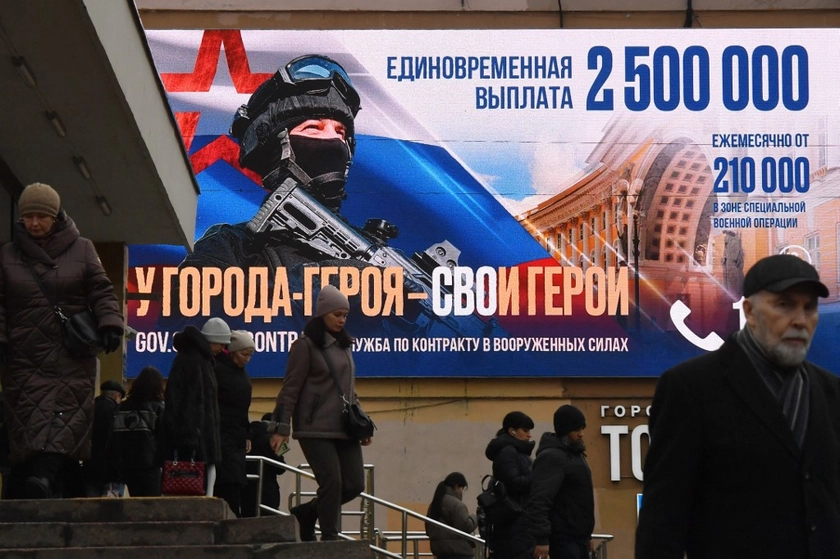
He also noted reports of significant financial incentives being used to attract recruits, including large sign-up bonuses and debt relief, as Moscow struggles to replace losses.
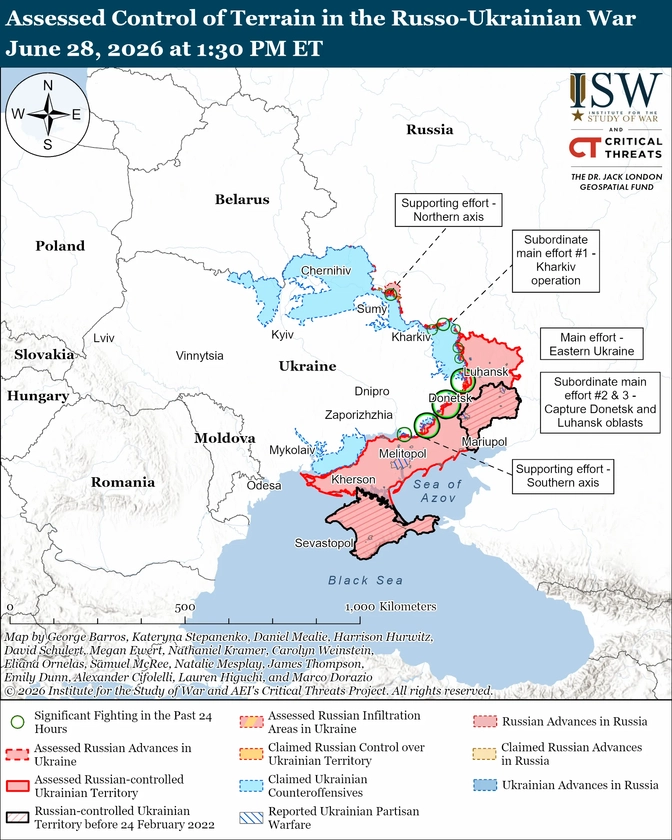
The Institute for the Study of War has assessed that further mobilization would not significantly alter battlefield dynamics unless Russia finds ways to counter Ukrainian drone strikes deep in its rear areas, warning that many newly mobilized troops “may simply never reach the front line.”
You can also highlight the text and press Ctrl + Enter